Hearing is one of our most vital senses, connecting us to people, places and everyday experiences. As hearing changes with age, regular check-ups play an important role in keeping communication and wellbeing strong. Many people hesitate to book a hearing test because they feel uncertain or worry it might be uncomfortable. In truth, a hearing test in Melbourne is quick, non-invasive and often subsidised through government programs for eligible pensioners. This article describes what happens before, during and after a hearing test, providing clear, practical guidance for anyone considering an audiology consultation or ear health check.
Why a Hearing Test Is Important
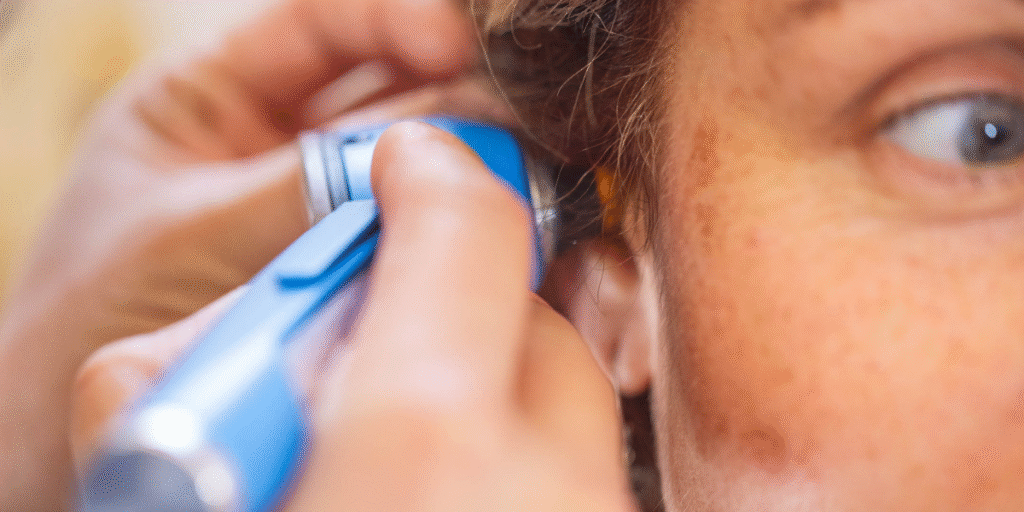
Understanding why a hearing test matters helps people see the value of early detection. Hearing loss can develop gradually, affecting how we communicate and connect.
A professional audiology consultation can detect subtle issues before they become serious. Regular ear health checks help prevent problems like wax buildup or infection from worsening. By addressing hearing changes early, you protect your confidence, social life and mental wellbeing.
Common Signs You May Need a Hearing Test
Recognising early symptoms can make a difference. Some common indicators include:
- Difficulty following conversations in busy places.
- Asking people to repeat themselves often.
- Turning up the TV or radio volume higher than others prefer.
- Hearing ringing or buzzing sounds (tinnitus).
These are strong reasons to schedule an ear health check or sound frequency test, such as pure tone audiometry. Early action helps audiologists recommend solutions that improve daily communication.
Preparing for Your Hearing Test
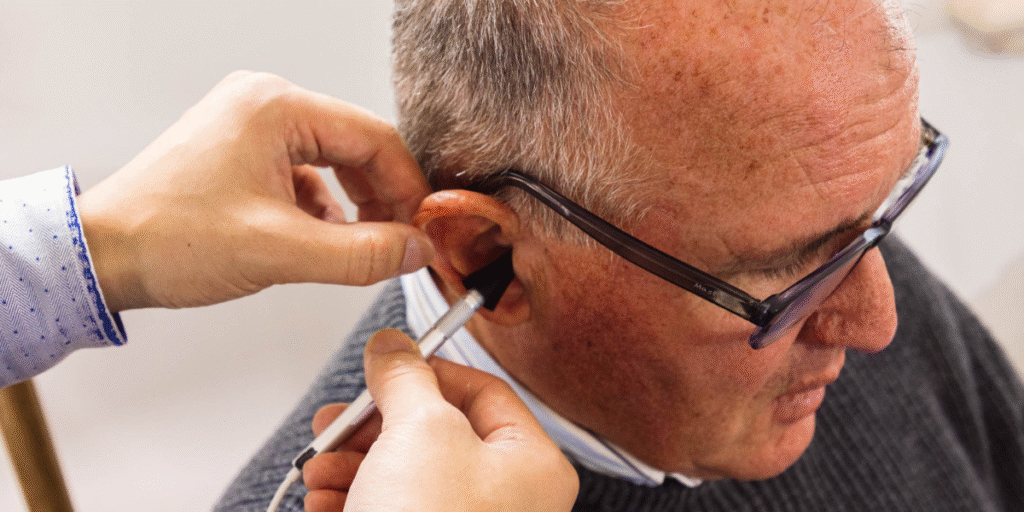
Before attending a hearing test clinic in Melbourne, preparation helps achieve accurate results and a comfortable experience.
What You Should Not Do Before a Hearing Test
To obtain the best outcome from your hearing test, avoid anything that may temporarily change your hearing sensitivity:
- Avoid loud noises like concerts or power tools for at least 16 hours before your appointment.
- Do not listen to loud music through earphones just before the test.
- To avoid pushing wax deeper and interfering with your ear examination, avoid sticking cotton buds or other objects into your ears.
Following these steps helps your audiology consultation produce reliable results.
Do They Clean Your Ears Before a Hearing Test?
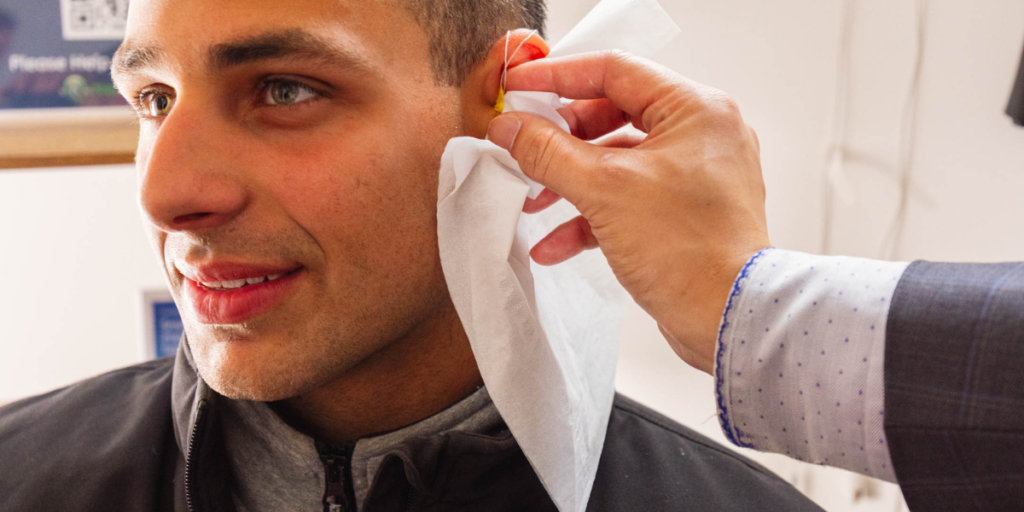
Your audiologist begins with an ear examination to check for wax buildup or infection. If the ears are blocked, you may need professional cleaning before continuing. Clear ear canals allow your hearing test to give precise results.
What Happens During a Hearing Test
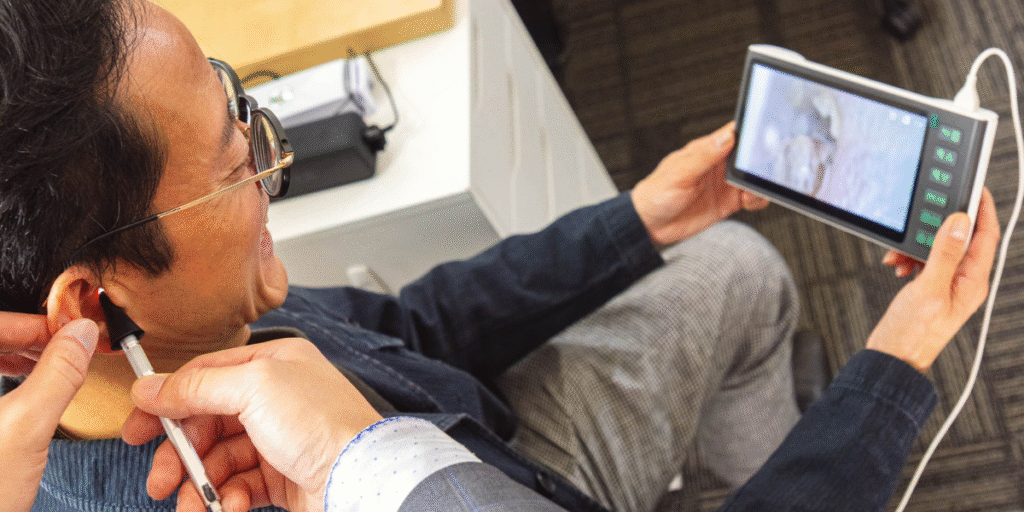
A hearing test includes several simple procedures that measure how well you hear different sounds. Each stage of the audiology consultation provides insights into how your ears and brain process sound.
Medical History and Ear Examination
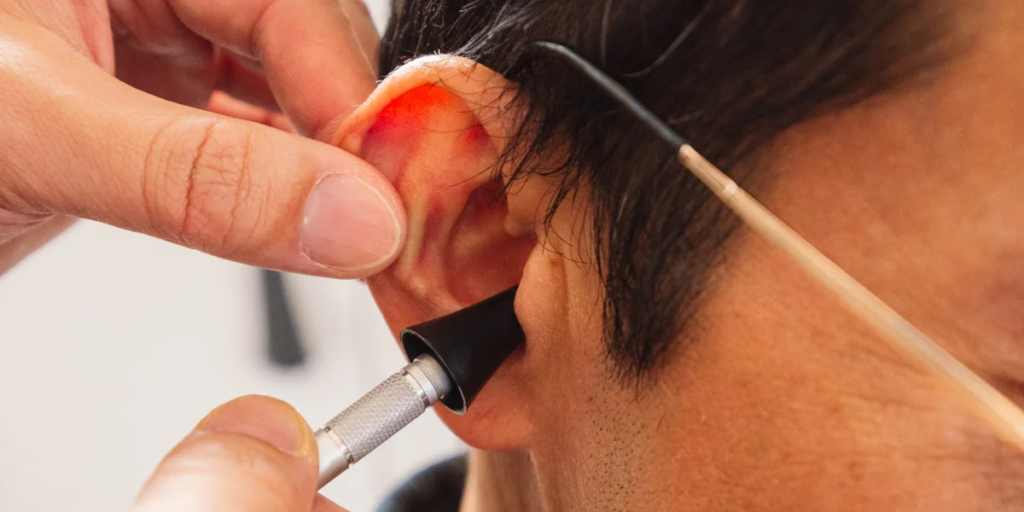
Every audiology consultation starts with a conversation about your medical history, daily habits and symptoms. The ear examination lets the audiologist inspect your ear canal and eardrum with a small lighted device called an otoscope. This identifies possible causes of hearing problems such as wax buildup, infection or eardrum damage.
Tone Testing (Pure Tone Audiometry / Sound Frequency Test)
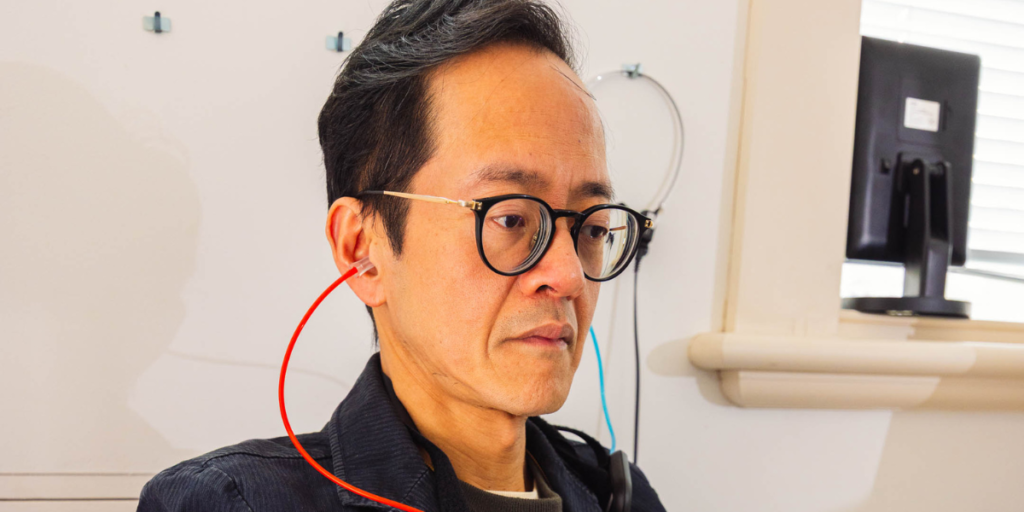
One of the main parts of a hearing test is pure tone audiometry. You wear headphones in a quiet room and listen to tones of different pitches and volumes. Each time you hear a sound, you press a button or raise your hand. This sound frequency test determines the quietest sounds you can detect at each frequency, creating an audiogram that maps your hearing ability.
Speech Recognition Test
During the speech recognition test, you repeat words spoken at various volumes. This measures how clearly you understand speech in quiet and noisy environments and shows how hearing loss affects conversation.
Bone Conduction Test
The bone conduction test helps identify whether hearing loss comes from the outer, middle or inner ear. A small vibrating device placed behind your ear sends sound directly to the inner ear. Comparing this test with your pure tone audiometry results allows the audiologist to pinpoint where the issue originates.
Tympanometry (Middle Ear Function Test)
Some clinics perform tympanometry during an ear health check. This measures how your eardrum reacts to changes in air pressure, revealing possible fluid buildup, congestion or infection in the middle ear. It assists in diagnosing conductive hearing loss or middle ear problems.
Audible Contrast Threshold (ACT) Test
The ACT test measures how well you detect subtle, speech-like changes in background noise. While listening through headphones, you indicate when you notice these changes. Your ACT result helps identify listening-in-noise difficulties that may not appear on a standard audiogram and guides recommendations for hearing technology settings and communication strategies in everyday noisy places.
After the Test: Understanding Your Results
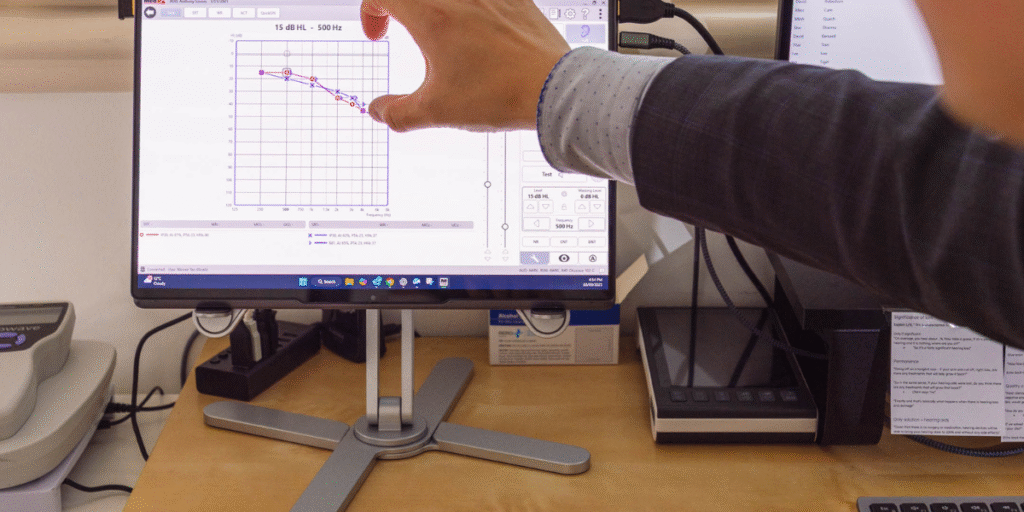
Once your hearing test wraps up, the audiologist will go over the results with you. Findings are shown on an audiogram, a chart that illustrates how well you hear different sound frequencies.
How Results Are Interpreted
Your audiologist explains whether your hearing is within the normal range or shows mild, moderate or severe loss. The audiogram also identifies whether the loss is conductive (outer or middle ear), sensorineural (inner ear or auditory nerve) or mixed. Understanding these details helps you and your clinician choose the right treatment during your audiology consultation.
Discussing Next Steps
After reviewing your results, the audiologist will discuss personalised options such as:
- Hearing protection for noisy environments.
- Medical referrals are made if infections or blockages are detected.
- Hearing aid evaluation is conducted when hearing loss is confirmed.
Many hearing test Melbourne clinics offer government-subsidised programs, giving eligible pensioners access to affordable hearing aids and follow-up care.
Next Steps: Your Path to Better Hearing

Receiving your results is often the beginning of better communication and confidence. Your audiology consultation helps you understand the next steps on your hearing journey.
If you find out that you have hearing loss, the audiologist will recommend a hearing aid evaluation suited to your hearing needs, lifestyle and comfort preferences. Regular follow-ups keep your devices finely tuned and your ear health stable.
Consistent care is essential for lasting results. Many clinics suggest annual ear health checks to track changes and maintain hearing clarity.
How NeuroHearing Supports Your Hearing Journey
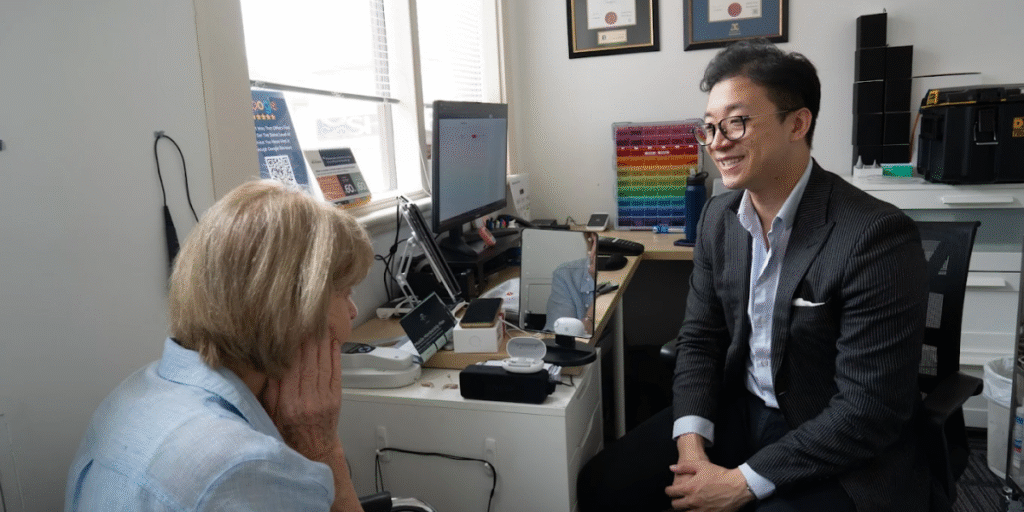
At NeuroHearing, the focus is on both the ears and the brain’s role in processing sound. The Canterbury clinic offers comprehensive services, including ear health checks, audiology consultations, cleaning and hearing aid evaluations.
Advanced diagnostic technology and evidence-based care help restore your ability to hear and engage with the world. The team values clear communication, comfort and ongoing support at every stage. With tailored solutions and continuing care, NeuroHearing helps you reconnect with the sounds and people that matter.
Book Your Hearing Test in Melbourne
Taking action to improve hearing can change daily life for the better. Booking a hearing test in Melbourne with a qualified audiologist is straightforward and beneficial. Many clinics provide flexible appointment times, quick results and access to government-funded hearing programs.
Professional care delivers accurate diagnosis and effective treatment. Do not wait for your hearing to deteriorate; acting early is the best way to protect your well-being.
Start your journey to clearer hearing and a higher quality of life by booking your hearing test with NeuroHearing today. The caring audiology team is ready to guide you and help you reconnect with the sounds that enrich every moment.
Common Questions About Hearing Tests
Many people have questions about what happens during a hearing test. The following answers from audiology professionals provide clarity.
What Can Cause You to Fail a Hearing Test?
Several factors may influence the results of a hearing test, and at NeuroHearing, we help you understand them clearly:
- Earwax buildup that blocks sound.
- Middle ear infections or fluid.
- Age-related hearing decline.
- Long-term exposure to loud noise.
- Certain medications can affect hearing.
If you do not pass a hearing test, it simply means some level of hearing loss was identified. During your audiology consultation, we take a closer look at what’s causing your concerns and propose the most suitable treatment plan to support you.
Is a Hearing Test Painful?
- Hearing tests are completely non-invasive and comfortable. You simply listen and respond to sounds in a quiet environment while we guide you through the process. Our audiology consultation focuses on making you feel relaxed while we collect accurate results.
How Long Does a Hearing Test Take?
- A full hearing test with our team generally takes 90 minutes, but may finish earlier depending on the results. This includes an ear examination, listening assessments and time to talk through your results.
How Long Should You Avoid Loud Noises Before a Hearing Test?
- We recommend avoiding loud noise for at least 16 hours before your hearing test. This helps your ears return to their natural sensitivity so we can assess your ear health accurately.
How Long Is a Typical Hearing Test Appointment?
- A complete audiology consultation with us usually lasts 90 minutes for a full hearing test, but depending on the results, it may finish earlier. We discuss your hearing history, complete tests such as pure tone audiometry and speech recognition, and review your audiogram results together.