Hearing aids work best with regular care and thoughtful adjustments throughout the year. In Melbourne, shifts in humidity, temperature, and daily routines can change how devices sound and feel, which is why planned seasonal care keeps performance steady and listening effortless with your hearing aid and related accessories.
Why Seasonal Adjustments Matter

Seasonal changes influence both device electronics and the ear itself. The combined effects of humidity, temperature swings and noise exposure can alter comfort, program behaviour and listening clarity, so scheduled hearing aid adjustments keep settings aligned with your lifestyle and environments.
Adapting to Weather Conditions
Melbourne summers can be sticky, and perspiration often reaches microphones and battery compartments. Proactive cleaning and overnight drying limit corrosion and ambient hiss, while smart storage habits reduce risk from moisture and hearing aids. When conditions get variable, a quick hearing aid performance check confirms that vents, domes and seals are working as expected.
Winter introduces cold outdoor air and warm indoor rooms, which can create condensation inside shells and tubing. A seasonal appointment focused on device calibration for hearing aids and targeted device tuning helps stabilise gain, noise management and wind handling so listening remains predictable during cooler months.
Accommodating Lifestyle Changes
Summer often draws people outdoors to gardens, parks and beaches. Wind, dust and sudden splashes can challenge microphones and ports, so a timely hearing aid settings review can adjust noise reduction, wind suppression and directional focus to match active days without sacrificing sound balance.
In winter, social life moves indoors, where lively rooms, clinking cutlery and overlapping voices make speech harder to follow. A tailored program with stronger speech focus, adaptive directionality and steady hearing clarity support helps you keep up with conversation without fatigue.
Addressing Physiological Changes
Seasonal allergies and colds can cause swelling, congestion and wax shifts that change how earmoulds or domes sit. A targeted fitting review verifies comfort, retention and acoustic seals so the device continues to provide stable amplification. Your clinician can also check canal health and hygiene to head off irritation before it affects listening.
Ensuring Optimal Performance All Year Round
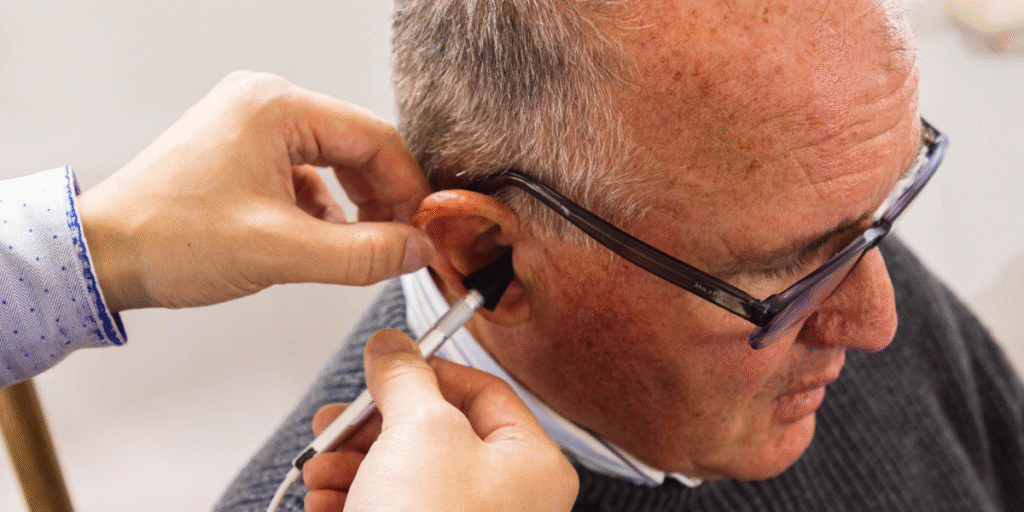
Planned visits across the year keep devices dependable as daily soundscapes change. Periodic cleaning, testing and recalibration support stable listening, fewer surprises and a smoother experience at home and out in the community.
Adapting to Acoustic Environments
Every season brings its own soundtrack, from cicadas and lawn mowers to vibrant indoor chatter. Fine-tuning microphones, frequency emphasis, and automatic switching keep speech intelligible while managing background noise. This careful approach helps maintain signal clarity across varied settings.
Routine Maintenance and Hygiene
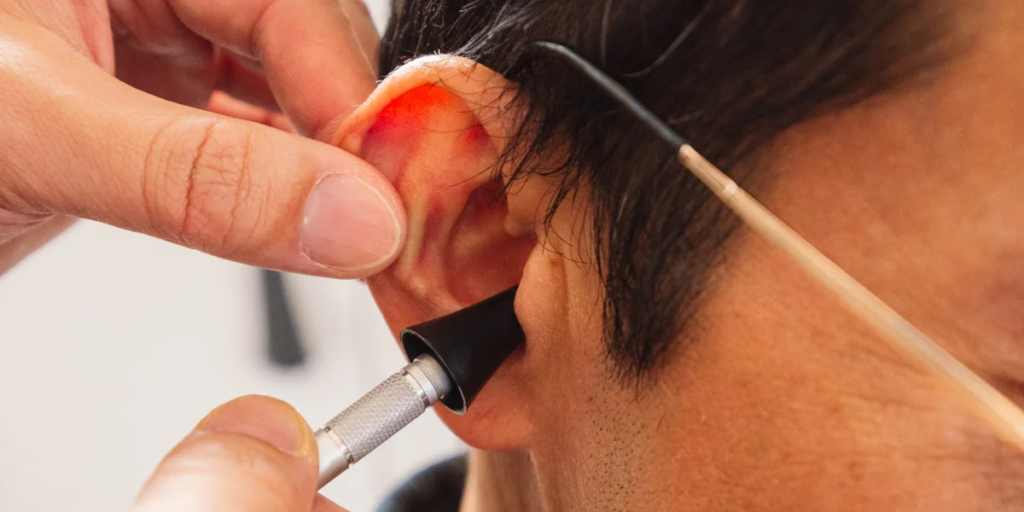
A seasonal clean prevents small problems from turning into bigger ones. Technicians can remove debris from ports, refresh domes and tubing, and clear vents that may affect bass or comfort. Many clinics offer a professional hearing aid cleaning service that restores acoustic pathways and protects delicate components.
Extending the Life of Your Hearing Aids
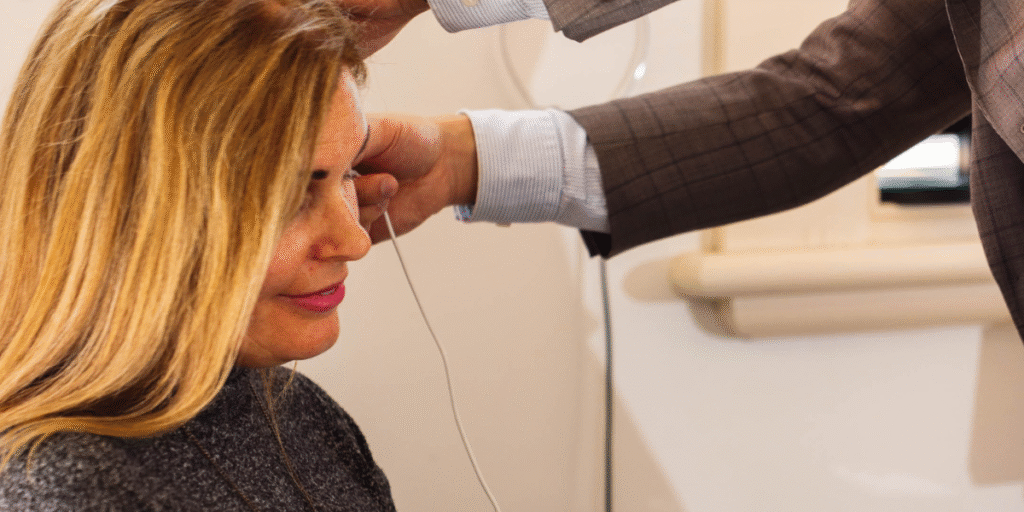
Preventive care supports reliable function and reduces unplanned costs. Small, regular interventions keep parts healthy, preserve acoustic seals and limit downtime, which pays off across the lifespan of your devices.
Preventing Moisture and Dust Damage
Heat, humidity and airborne particles are tough on microphones and contacts. Drying jars or electronic dehumidifiers help after sweaty workouts or humid days, while protective sleeves add an extra barrier outdoors. This practical routine supports hearing device upkeep and preserves microphone care outcomes.
Professional Inspections
Routine clinician visits catch issues early, from minor corrosion to slipping seals or worn receivers. A seasonal appointment that includes performance testing and targeted repairs can save on bigger fixes later and keep your hearing aid repair budget in check.
Tips for Seasonal Hearing Aid Care
Simple habits at home work hand in hand with professional attention. These tips focus on protection, quick checks and predictable performance between appointments.
Clean and Dry Regularly
Wipe devices with a soft, dry cloth after active days or exercise, then store them in a drying container overnight. Consistent care protects acoustic openings, maintains comfort and supports the benefits of ongoing hearing aid maintenance as conditions shift.
Protect from the Elements
During outdoor activities, use hats, sweatbands or device covers to shield microphones and seams when the forecast looks damp or windy, plan programs that tame gusts and lift voices so you experience steady hearing clarity support without constant adjustments.
Schedule Professional Checkups
A light seasonal service helps keep performance steady across changing environments. Timed hearing aid checkups give your clinician a chance to run electroacoustic tests, review your listening goals and provide any needed hearing aid adjustments before the busy months ahead.
Monitor Fit and Comfort
Discomfort, muffled sound or increased feedback can indicate shifting wax or canal sensitivity. Rapid attention restores comfort and preserves listening stability. Pair self-checks with a clinician fitting review if symptoms persist across days.
Important Considerations When Handling Hearing Aids

Good habits prolong device life and protect sound quality. Treat your hearing aids as precision instruments so they perform consistently during the year.
Handle with Clean, Dry Hands
Before you insert or remove any devices, be sure to wash and dry your hands thoroughly. This simple step protects delicate openings and contact points, supporting long-term microphone care and stable performance during daily routines.
Avoid Exposure to Extreme Conditions
Cars, windowsills, and radiators can subject devices to heat spikes or cold snaps that push moisture into seams. Mindful storage away from extremes reduces the chance of damage and preserves pathways that affect sound balance.
Store Safely
Keep devices in a protective case or dehumidifying container when not in use. For longer breaks, remove batteries and store them in a cool, dry place to protect contacts and seals as part of your routine hearing device service approach at home.
Regularly Check Batteries and Filters
Wax guards and filters keep sound paths clear, while fresh batteries avoid dropouts. Combine quick checks with occasional replacements so day-to-day listening remains smooth and reliable, without sudden interruptions during calls or conversations.
How We Support Your Hearing Health at NeuroHearing
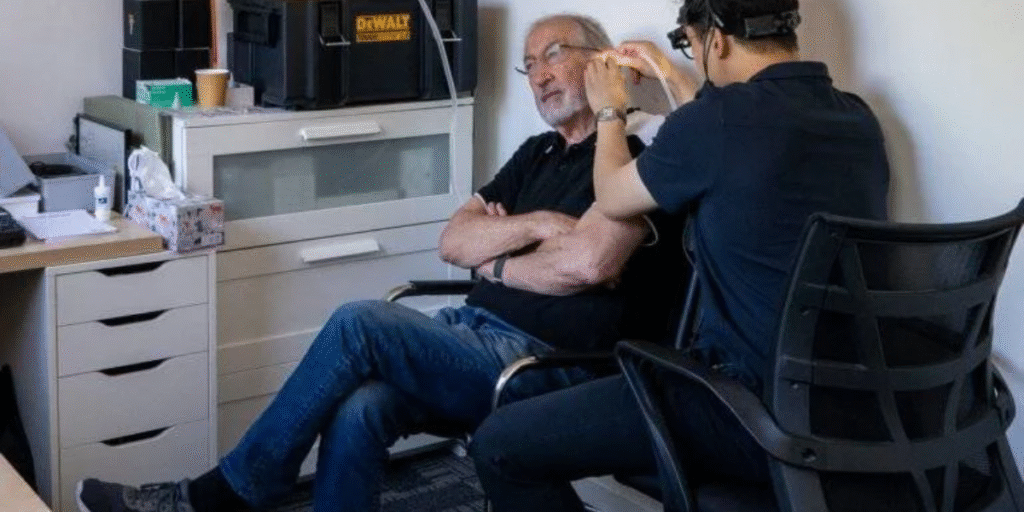
NeuroHearing provides families with comprehensive audiology grounded in evidence and empathy. The team focuses on tailored care that reflects local climate, personal goals and the way you communicate at work, at home and in the community.
Personalised Seasonal Care
Your clinician shapes programs for summer, winter and everything in between. The approach covers comfort, speech focus and background control, with timely seasonal hearing aid tuning and thoughtful device tuning that aligns with your routines across neighbourhoods in communities.
Expert Audiology Support
Skilled clinicians run detailed measures to understand how your devices behave in real conditions. Appointments often include targeted hearing aid performance check procedures and practical recommendations for device calibration for hearing aids, which support clear conversation at home, in meetings and on trams.
Accessible Services for All
Whether you prefer private options or funded pathways, the team guides you through maintenance schedules and budget planning. Appointments can include hearing aid settings review, routine updates and quick fixes that keep you on track with hearing aid maintenance even during busy seasons.
Conclusion
Seasonal care keeps hearing steady as Melbourne’s weather and soundscapes shift. With planned appointments for hearing aid checkups, practical at-home habits and clinic support, you maintain reliable function, confident conversations and long-term value without surprises from weather impact on hearing aids or damp days. From quick cleaning to hearing device upkeep, timely attention preserves signal clarity and day-to-day comfort, while targeted hearing aid repairs and preventive checks keep your listening secure year-round.
Keep your hearing clear and comfortable all year with NeuroHearing’s personalised seasonal hearing aid adjustments in Melbourne. Book online today or call our clinic to schedule your checkup and tune-up.