When your hearing aids are set up well, conversations feel easier, and your world sounds natural again. Over time, though, your hearing and daily sound environments shift, which can quietly nudge your devices away from their best performance. Subtle changes like speech clarity issues in a café or a sudden burst of feedback or whistling noise during a phone call often signal that something needs attention. Many users notice sound is clear one day and blurred the next, or that things become too loud or too soft without an obvious reason. These patterns are common and usually point to hearing aid settings that need a refresh. With timely hearing aid adjustment by an audiologist in Melbourne, you can bring back crisp clarity and comfortable listening across the day.
Why Hearing Aids Need Regular Adjustment
Even perfectly fitted hearing aids need periodic review as ears, technology, and environments evolve. A scheduled hearing aid adjustment keeps hearing aid settings aligned with your current hearing profile and daily life.
Natural Hearing Changes Over Time
Hearing can shift gradually, affecting how your hearing aids deliver speech and soft sounds. If you notice growing speech clarity issues, updated hearing aid settings can restore balance across pitches. Many adults benefit from a routine hearing aid adjustment every few months to keep voices clear and comfortable. Timely fine-tuning helps avoid situations where everything sounds too loud or too soft.
Environmental and Lifestyle Factors
New workplaces, busier cafés, or a move to a noisier street can expose gaps in your hearing aid settings. When background noise rises, and speech clarity issues creep in, these are classic signs that hearing aids need tuning. Adjustments can help your devices prioritise the sounds you most want to hear. A focused hearing aid adjustment optimises the microphone strategy for the places you spend time.
Device Wear, Tear & Component Ageing
Daily use slowly affects microphones, receivers, and tubing. This natural ageing can trigger poor sound quality, create intermittent static, or cause feedback or whistling noise. If your devices start sounding dull or buzzy, that is often among the clearest signs hearing aids need tuning plus hardware maintenance. A quick service can restore fidelity and reduce hearing aid discomfort linked to ageing parts.
Clear Signs Your Hearing Aids Need Tuning

When hearing aids drift from their best, the clues are usually obvious. Recognising these signs that hearing aids need tuning early helps you regain clear, comfortable listening sooner.
Acoustic Issues
Shrill squeals, echoes, or feedback or whistling noise point to fit changes or microphone sensitivity. A muffled or tinny tone is typical of poor sound quality from wax, debris, or settings drift. When voices lose crispness, speech clarity issues make conversation feel like guesswork. Quick testing and the hearing aid usually resolve these acoustic hiccups.
Volume Problems
If your devices swing between too loud or too soft, it may reflect changing listening needs or automatic gain behaviour. Turning the volume up without clearer speech points to speech clarity issues, not just volume. Consistently, volume too loud or too soft is one of the most common signs that hearing aids need tuning. A targeted review of hearing aid settings restores steadier loudness across environments.
Speech Clarity Issues
Struggling to keep pace with conversation is a hallmark of evolving speech clarity issues. You may start relying on lip-reading even though the hearing aids seem loud enough. A hearing aid adjustment realigns amplification to the speech cues you depend on. Refined hearing aid settings can reduce effort and bring back nuance in softer consonants.
Physical Discomfort or Poor Fit
Comfort matters as much as clarity. Fit changes can cause hearing aid discomfort and trigger acoustic problems that look like technical faults.
Pressure or Irritation
Pain, redness, itching, pressure or irritation around the ear signal a fit or skin sensitivity concern. Ill-fitting tips or domes often lead to hearing aid discomfort and can provoke feedback or whistling noise. An audiologist in Melbourne can adjust tips or materials to reduce pressure or irritation. Small fit changes often improve stability and poor sound quality in one go.
Hearing Aids Falling Out
If your hearing aids slip while talking or exercising, the seal is likely inconsistent. A loose seal can amplify speech clarity issues and spark feedback or whistling noise. This is among the practical signs that hearing aids need tuning or a fit refresh. Addressing fit reduces hearing aid discomfort and keeps devices seated securely.
Pain When Chewing or Wearing Glasses
Jaw movement and frames can press on the outer ear and canal, leading to pressure or irritation. This can cause hearing aid discomfort during meals or when adjusting glasses. An audiologist can reshape tubing, change domes, or adjust shells to minimise contact points. Comfortable seating supports stable hearing aid settings and sound quality.
Technical & Maintenance-Related Signs
Not every problem is a reprogramming issue. Battery health, firmware, and cleaning have a direct impact on performance, and good hearing aid maintenance tips can prevent many faults.
Battery Replacement Problems
Short runtime, erratic power, or devices that fail to start suggest battery replacement problems. Inconsistent current can mimic poor sound quality or trigger resets mid-chat. If you encounter repeat battery replacement problems, test with fresh batteries from a new pack or verify recharge cycles. Persistent power hiccups are strong signs that hearing aids need tuning plus a quick service check.
Connectivity Issues
Bluetooth dropouts and stubborn apps can undermine confidence in your hearing aids. After basic pairing steps, a small hearing aid adjustment and firmware update can stabilise streaming. When streaming alters balance and creates volume too loud or too soft, tweak hearing aid settings for media and calls. Robust connectivity also reduces the perception of poor sound quality during phone conversations.
Poor Sound Quality
If audio feels thin, brittle, or boomy, you are likely dealing with poor sound quality that masks speech detail. Crackles or wavering tones can point to moisture, debris, or mic issues that call for hearing aid maintenance tips and service. When poor sound quality persists after cleaning filters and tubing, a hearing aid adjustment can refine gain and compression. Lingering problems are genuine signs that hearing aids need tuning and possibly part replacement.
What You Can Try at Home
A few simple checks can restore reliable performance. These hearing aid maintenance tips are quick, safe, and often solve minor issues without delay.
Basic Hearing Aid Maintenance Tips
Clean microphones, replace wax guards, and inspect tubing for kinks as part of weekly hearing aid maintenance tips. These steps quickly fix muffled audio and reduce feedback or whistling noise. If clarity still drops or you hear volume too loud or too soft, move to connection checks and app settings. Repeating these hearing aid maintenance tips keeps daily performance steadier.
Restarting or Resetting
Power the devices off and on, then return to your phone to refresh links. Resetting app preferences can correct hearing aid settings that accidentally favoured noise over speech. If the audio remains too loud or too soft, try environmental programs or adaptive features. A reboot often reveals whether you need a full hearing aid adjustment.
When Home Fixes Won’t Solve the Issue
If you still wrestle with speech clarity issues or persistent hearing aid discomfort, it is time to seek help. Ongoing distortion and poor sound quality are solid signs that hearing aids need tuning by a clinician. Book a hearing aid check-up in Melbourne to review performance, fit, and settings. Early support prevents habits that make listening harder over time.
When to Book a Hearing Aid Check-Up

Professional reviews safeguard hearing and device health. A scheduled hearing aid check-up in Melbourne is the quickest route to better clarity and comfort.
If Your Hearing Loss Has Worsened
A sudden shift or gradual slide in listening performance can upset carefully balanced hearing aid settings. If voices blur or you need a higher volume, arrange a hearing aid check-up in Melbourne promptly. Updated tests will guide targeted hearing aid adjustments to restore speech detail. This is essential when speech clarity issues appear in quiet places.
Persistent Performance Issues
Recurring feedback or whistling noise, ongoing poor sound quality, or volume too loud or too soft deserve professional attention. These patterns are reliable signs that hearing aids need tuning and possibly parts cleaning or replacement. An audiologist in Melbourne can diagnose the cause, from venting to microphone drift. Most clients notice fewer speech clarity issues after precise fine-tuning.
Recommended Frequency of Adjustments
Many users benefit from a hearing aid check-up in Melbourne every 6 to 12 months. Routine data logging helps guide hearing aids that suit your daily environments. Small shifts in hearing aid settings preserve clarity across quiet rooms and lively gatherings. Regular reviews also catch early battery replacement problems or fit changes.
How Hearing Aid Adjustments Improve Everyday Life
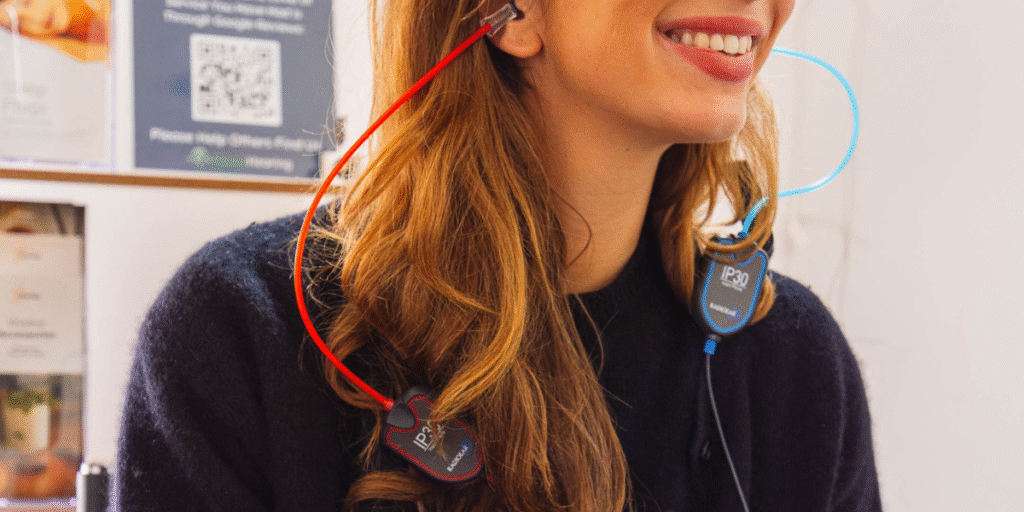
Well-calibrated hearing aids create a more natural, less tiring soundscape. The right hearing aid adjustment turns volume into clarity and comfort.
Improved Understanding of Noise
Background chatter can blur consonants and trigger speech clarity issues. Directional microphones and updated hearing aid settings make voices stand out in restaurants and family events. Targeted hearing aid adjustment separates speech from clutter without spikes that can make you feel the volume too loud or too soft. You hear more of what matters and less of what does not.
More Natural and Comfortable Sound
Harsh edges and hiss often reflect poor sound quality that masks detail. Refining hearing aid settings smooths peaks and restores tonal balance. A careful hearing aid adjustment reduces feedback or whistling noise while keeping speech crisp. Less irritation translates to less hearing aid discomfort during longer wear.
Less Listening Effort
When devices are properly tuned, the brain works less to fill gaps, which reduces speech clarity issues. Subtle updates to hearing aid settings reduce fatigue across the day. A thoughtful hearing aid adjustment helps you follow group chats without constant repeats. Lower strain also curbs pressure or irritation related to long sessions.
How We Support Optimal Hearing Aid Performance at NeuroHearing
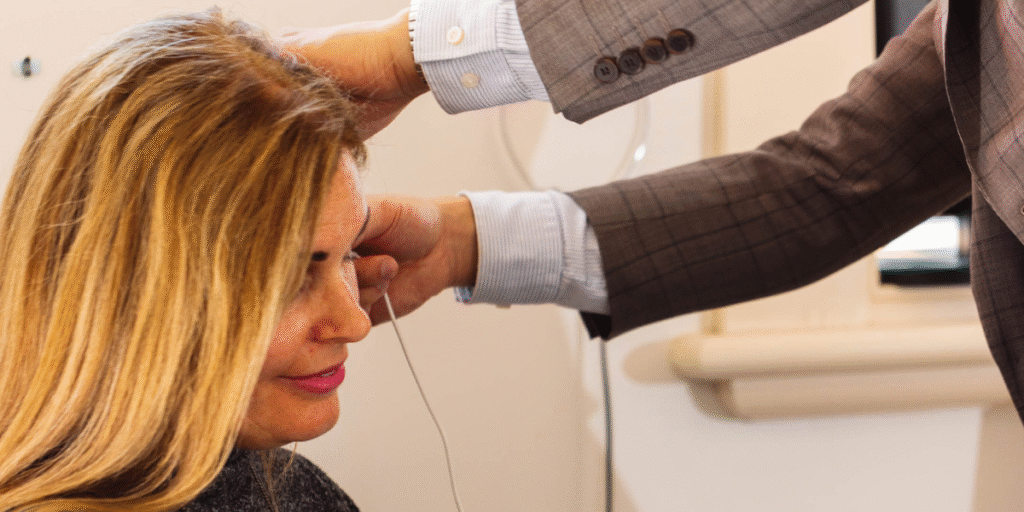
Local, personalised care keeps your hearing aids performing at their best. Our Melbourne audiologist team focuses on precision, comfort, and long-term hearing wellness.
Our Comprehensive Hearing Assessments
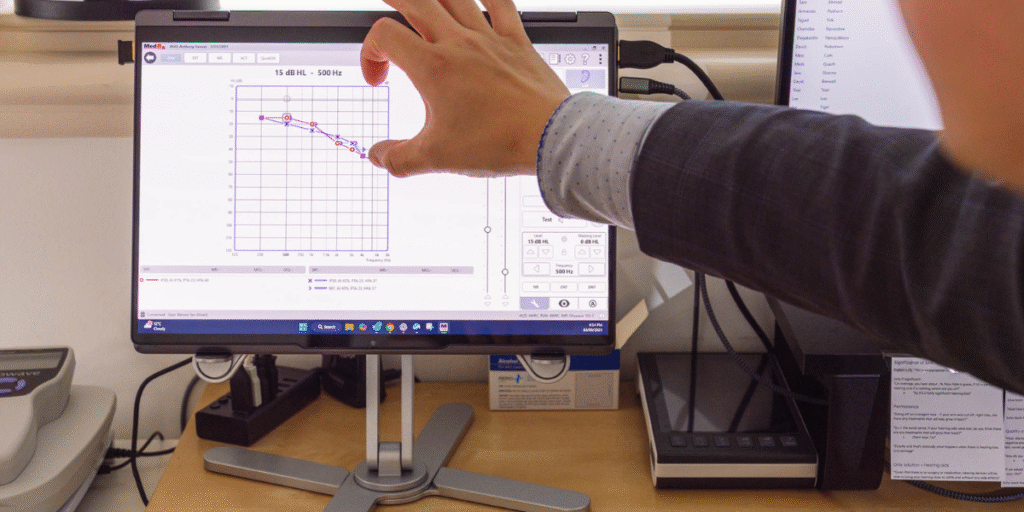
We run thorough checks to map current thresholds and patterns that explain speech clarity issues. Findings guide refined hearing aid settings for natural speech focus and balanced comfort. When tests show drift, a streamlined hearing aid adjustment targets the exact frequencies you rely on most. This approach also flags early battery replacement problems or microphone wear.
Our Precise Hearing Aid Adjustments and Tuning
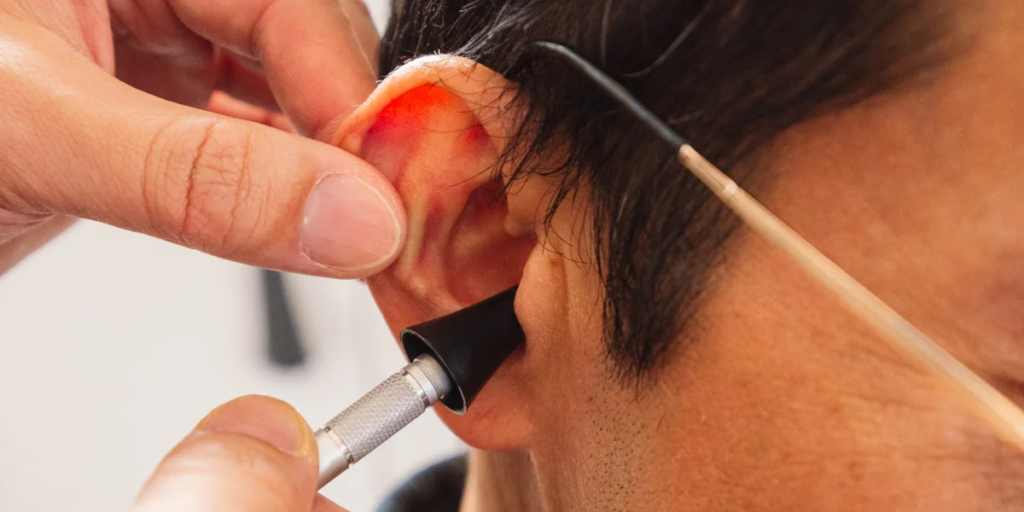
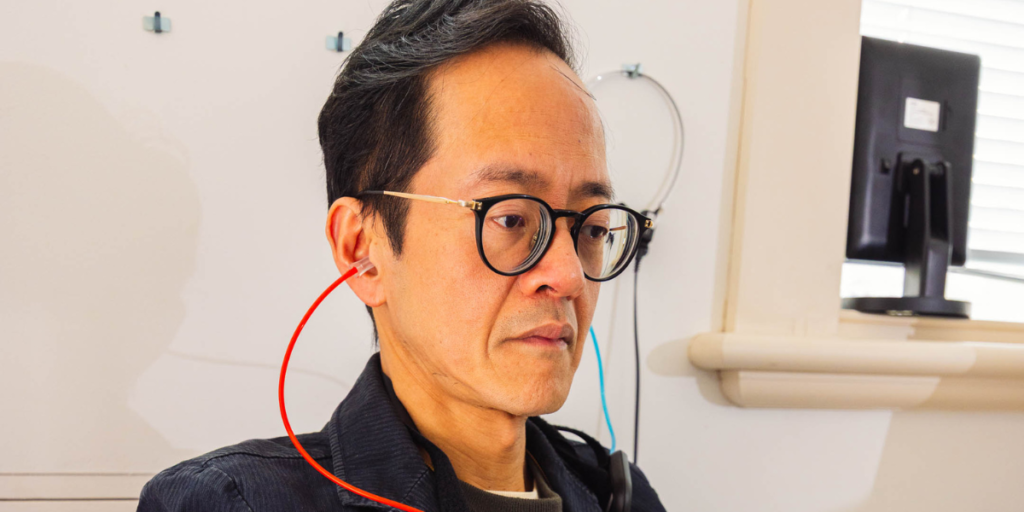
Using real-ear measures and listening trials, we tailor hearing aid settings to your daily environments. A data-led hearing aid adjustment strengthens speech while controlling room noise. This approach reduces poor sound quality and the risk of the volume being too loud or too soft outdoors. It also limits feedback or whistling noise without dulling voices.
Our Hearing Aid Maintenance & Repairs
We clean microphones, replace filters, and refresh tubing to tackle poor sound quality. Technical checks resolve feedback or whistling noise, intermittent output, and battery replacement problems. Practical hearing aid maintenance tips keep sound consistent between visits. When issues persist, we confirm whether they are signs that hearing aids need tuning or hardware faults.
Our Earwax Checks and Safe Removal
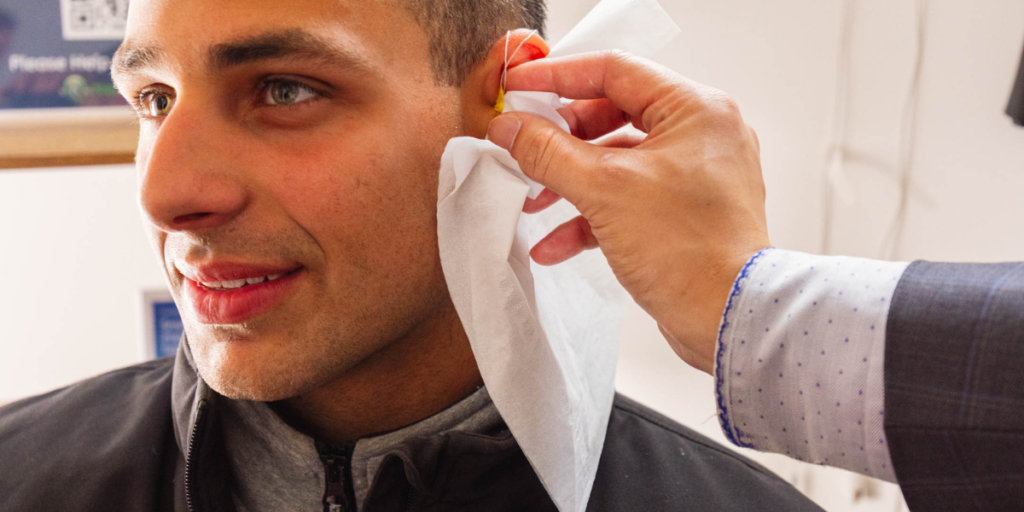
Wax can block vents, cause hearing aid discomfort, and trigger poor sound quality. Safe removal often clears muffling and reduces feedback or whistling noise immediately. We also show simple hearing aid maintenance tips to minimise future build-up. Less blockage reduces pressure or irritation and supports stable performance.
Our Brain-Centred Adaptation Support
Adaptation guidance helps your brain relearn sound patterns and cut through speech clarity issues. We pair listening exercises with optimised hearing aid settings for steady progress. Strategic hearing aid adjustment across a few visits supports a smoother transition. Clients report less hearing aid discomfort and fewer moments that feel the volume too loud or too soft.
Conclusion
Staying alert to the early signs that hearing aids need tuning protects your engagement with family, friends, and work. With timely hearing aid adjustment, accurate hearing aid settings, and practical hearing aid maintenance tips, your hearing aids can deliver clear, comfortable sound day after day.
Ready to refresh your listening? Book a hearing aid check-up in Melbourne with NeuroHearing and speak with an experienced audiologist in Melbourne today. Our team will address poor sound quality, speech clarity issues, and hearing aid discomfort so you can enjoy steady hearing without the frustration of volume too loud or too soft or feedback or whistling noise.
Additional Questions People Often Ask
Curious about common concerns and quick answers related to hearing aids? These short guides cover practical checks, hearing aid maintenance tips, and when to book a hearing aid check-up in Melbourne.
Why Is My Hearing Suddenly Muffled in One Ear?
Common causes include earwax blockage, clogged filters, or sudden hearing loss that needs urgent review if paired with pain or pressure. We can inspect your ears, clear wax safely, service your devices, and provide a prompt hearing aid check-up in Melbourne to restore clarity.
What Is the Whisper Test for Hearing?
It is a rough screen that often misses problems and cannot replace calibrated testing and real-ear verification. We provide full assessments with an audiologist in Melbourne and precise hearing aid adjustments based on accurate measurements.
What Is the 5-Minute Rule for Hearing Aids?
Give new fittings or program changes a few minutes to stabilise before judging comfort or clarity. We coach you on hearing aid settings and adaptation, then refine tuning to reduce speech clarity issues at follow-up.
What Is the Average Life of a Pair of Hearing Aids?
Most hearing aids last around 4 to 6 years with good care, though wear and moisture can shorten performance. We offer maintenance, repairs, and upgrades, plus hearing aid maintenance tips and adjustments to maximise lifespan.