Tinnitus is a long-term condition that affects a large number of older Australians, often linked with hearing changes, health conditions and noise exposure. For many, it starts quietly, then grows into a constant companion that disrupts sleep, concentration and mood.
Sound Therapy has become a widely recommended, evidence-based approach within many tinnitus treatment programs. Clinics that utilise sound therapy protocols help reduce the contrast between tinnitus and the surrounding environment, making the noise feel less intrusive.
This article explores how the daily duration of Sound Therapy influences tinnitus relief, habituation and long-term outcomes. It is designed to support readers who are considering sound therapy, working with an audiologist in Melbourne, or seeking help at a hearing clinic in Melbourne.
Understanding Chronic Tinnitus and the Need for Long-Term Management
Effective tinnitus care requires realistic expectations and a long-term mindset. Many people feel frustrated when relief is not immediate, but the brain needs time to change.
Tinnitus management is best viewed as an ongoing process rather than a quick fix. Structured tinnitus treatment plans, guided by an experienced audiologist in Melbourne, recognise that progress often happens gradually over weeks and months. Regular hearing assessment appointments help track changes and adapt the approach as needed.
What Makes Tinnitus “Chronic”?
When tinnitus lasts beyond 3 to 6 months, it is usually considered chronic and less likely to fade on its own. At this stage, early referral to a hearing clinic in Melbourne for proper diagnosis and tinnitus treatment planning can be very helpful.
Chronic tinnitus commonly relates to age-related hearing loss, previous noise exposure or other auditory system changes. A comprehensive assessment with an audiologist in Melbourne allows these contributing factors to be identified and guides future care.
Why the Brain Plays a Central Role
Tinnitus originates in the brain rather than the ear, which explains why it can persist even when the ears appear healthy. Therapeutic approaches such as sound therapy and gentle sound healing focus on changing how the brain interprets sound.
Sound Therapy aims to retrain the brain by pairing tinnitus with safe, neutral sounds over time. In partnership with an audiologist in Melbourne, this kind of brain-focused approach supports reduced distress and better coping in daily life.
How Sound Therapy Supports Tinnitus Relief

Sound Therapy uses consistent external sounds to soften the contrast between tinnitus and silence. This can help the nervous system relax and reduce the emotional reaction to tinnitus.
Clinicians providing tinnitus treatment in Melbourne often remind patients that Sound Therapy does not permanently mask tinnitus. Instead, structured sound therapy supports habituation, where the brain gradually moves tinnitus into the background of awareness, even when devices are not on.
Sound Therapy and Habituation
Habituation happens when the brain decides a sound is unimportant and stops reacting strongly to it. Ongoing sound therapy gives the brain time and repetition to make this shift.
By lowering the threat response, Sound Therapy helps tinnitus feel less alarming and less central to everyday experience. Some patients also explore calming practices related to sound healing to support relaxation alongside clinical care.
Types of Sound Therapy Used Clinically
Clinics may use environmental recordings such as waves or rain, or broadband sounds like white or pink noise. These can be customised after a hearing assessment, so the sound is soothing rather than irritating.
Many hearing aids now include built-in Sound Therapy programs, which can be fine-tuned in a hearing clinic in Melbourne. Dedicated sound generators and mobile apps provide flexible ways to follow sound therapy plans throughout the day and night.
The Impact of Daily Hours of Sound Therapy on Tinnitus Relief
Daily listening time is one of the most important factors influencing outcomes with Sound Therapy. Research suggests a clear relationship between hours of use and clinical improvement.
Across multiple studies, people who use sound therapy for around 3 to 5 hours per day often report greater reductions in tinnitus loudness and distress than those using shorter sessions. In structured tinnitus treatment programs in Melbourne, this range is frequently used as a target.
More Daily Hours, Greater Relief
Several clinical trials show that 3 to 5 hours of Sound Therapy per day are linked with better improvements in scores on standard tinnitus questionnaires compared with an hour a day. This extra time gives the brain a more consistent experience with neutral external sound.
Longer daily exposure appears to support stronger neural adaptation, which helps tinnitus feel less noticeable and less emotionally charged. Many hearing clinic teams help patients build up to this level gradually, so it fits comfortably into daily life.
Minimum Effective Daily Use
Most guidelines recommend at least 2 to 4 hours of sound therapy a day for effective habituation in chronic tinnitus. An audiologist will adjust this range for each person after a full hearing assessment and discussion of lifestyle.
Shorter sessions, such as 30 to 60 minutes, can still help, especially at the beginning. However, the benefits are often more modest, so clinicians generally encourage gradually increasing daily listening within a structured tinnitus treatment plan.
Combining Sound Therapy With Other Evidence-Based Approaches
Sound Therapy works best as part of a broader management plan that addresses both the sound and the emotional response to it. Many hearing clinics in Melbourne, therefore, build multi-layered programs rather than relying on a single tool.
In Melbourne, comprehensive tinnitus treatment often combines sound therapy, education, counselling, and hearing aids or other devices. This kind of holistic approach tends to produce more stable and satisfying results.
Sound Therapy and Hearing Aids
For people with hearing loss, amplification can reduce tinnitus by restoring access to everyday sounds. When combined with sound therapy and modern hearing aids, this combined effect can be especially strong.
Device settings are usually guided by a full hearing assessment and then adjusted over time. Ongoing fine-tuning by an audiologist in Melbourne.
Counselling and Education
Understanding tinnitus and how the brain processes sound can significantly reduce fear and frustration. Education and counselling are standard components in many tinnitus treatment programs.
Clinicians may also introduce simple relaxation tools, mindfulness strategies, or gentle sound healing practices to help manage stress. This combination supports both the ears and the mind.
How NeuroHearing Supports Tinnitus Relief

At NeuroHearing, we take a holistic approach to tinnitus treatment, focusing on reducing symptoms and addressing underlying factors like hearing loss, stress, and brain retraining. Our hearing clinic in Melbourne combines sound therapy, counselling, and advanced hearing technology to create personalised plans for the best possible outcomes.
By working closely with our expert audiologist, who understands the emotional and practical challenges of tinnitus, patients receive steady guidance throughout their journey towards relief.
Our Approach to Tinnitus Treatment
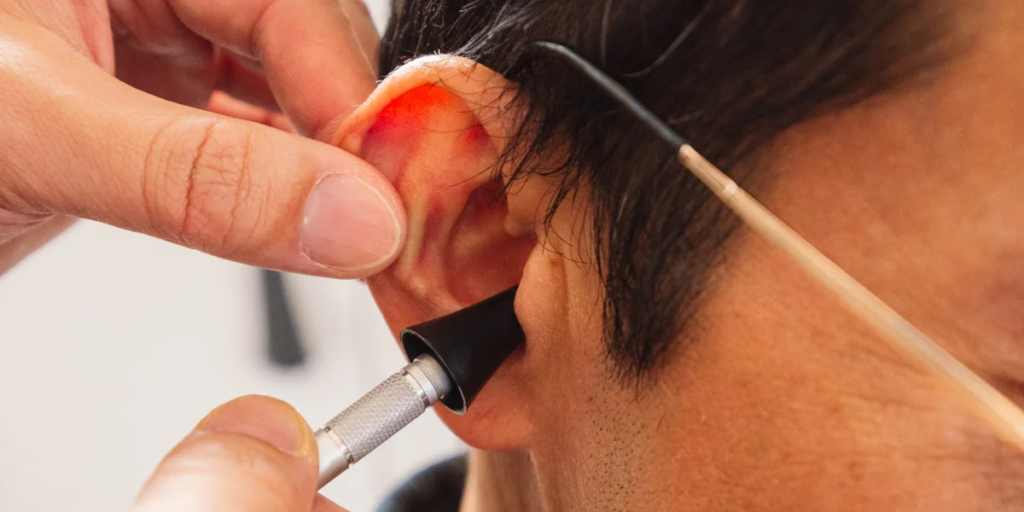
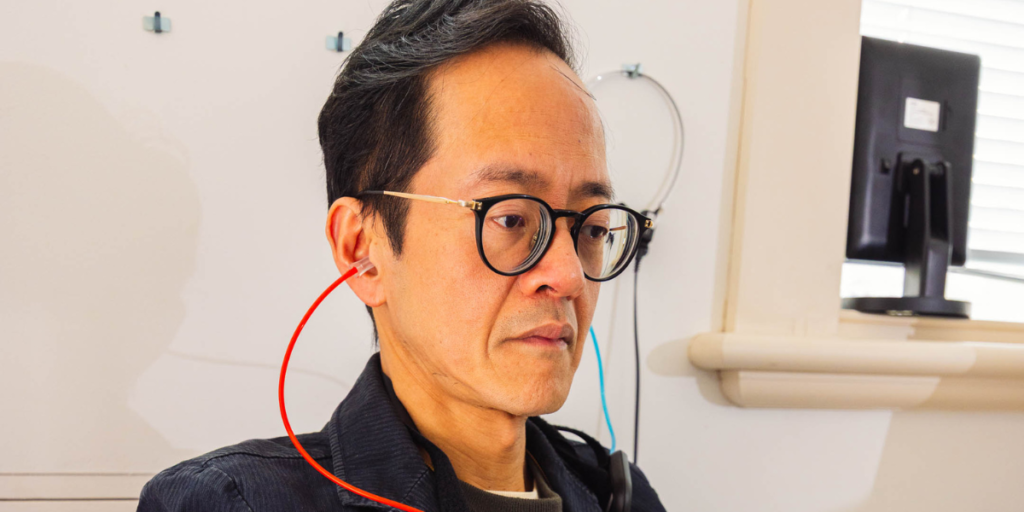
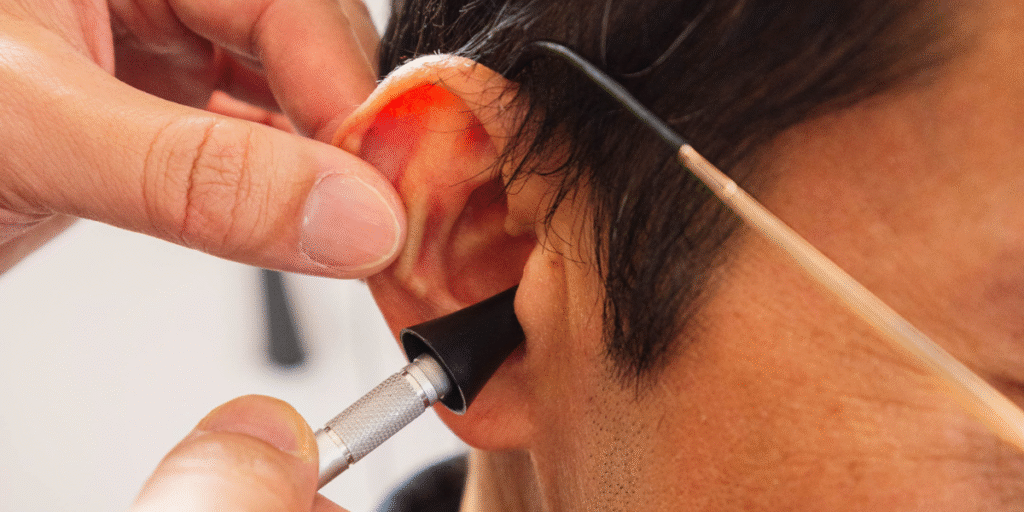
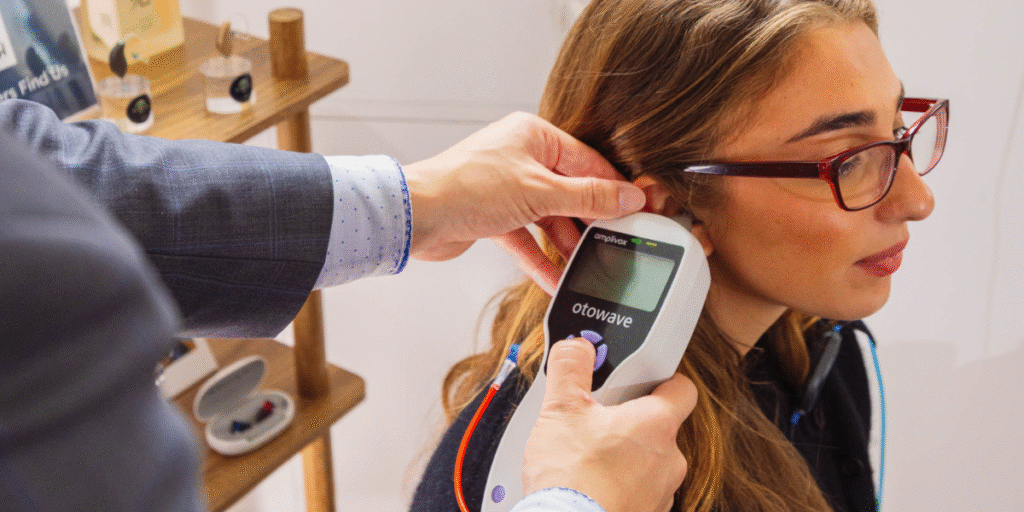
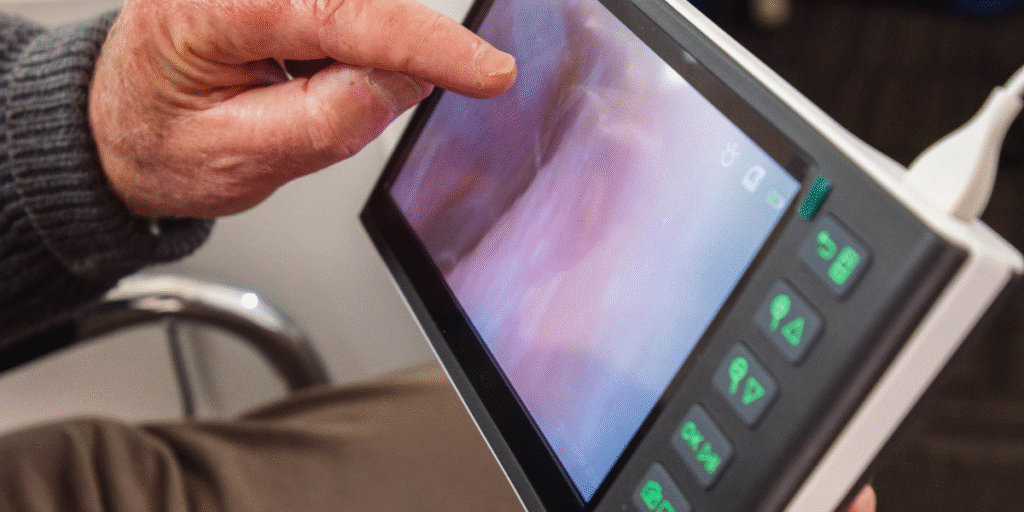
Our process starts with a comprehensive hearing assessment at our clinic in Melbourne, including pure tone audiometry (PTA), speech testing, and otoscopy, alongside an in-depth interview about your tinnitus. This evaluation helps determine if hearing loss contributes to your tinnitus and shapes a personalised plan for your unique needs.
Careful use of sound therapy helps the brain adapt to sound gradually. We use hearing aids or specialised devices that emit soothing background noise or white noise to mask tinnitus, making it easier to ignore. These also improve hearing, helping your brain focus on external sounds and supporting communication, and reducing distress over time.
Personalised Sound Therapy and Hearing Care
We tailor each sound therapy plan to suit your tinnitus profile, lifestyle, and listening environments. If a hearing assessment Melbourne reveals hearing loss, hearing aids are a powerful tool; by amplifying external sounds, they shift the brain’s focus away from internal ringing, making tinnitus less noticeable through effective tinnitus treatment in Melbourne.
Since assessment, fitting, and counselling all occur within our hearing clinic in Melbourne, communication stays clear and coordinated. You can refine your plan with your audiologist as needs change.
Ongoing Support and Adjustment Over Time
Tinnitus care with us includes regular reviews to monitor progress and adjust device settings or daily listening goals. This flexible structure helps you stay engaged with your sound therapy routine, ensuring the treatment remains effective and comfortable.
Our aim is sustainable relief, improved quality of life, and renewed confidence in everyday listening situations, from quiet evenings at home through to lively social settings.
Conclusion
Daily hours of Sound Therapy play a central role in tinnitus relief. Regular use within a realistic 2 to 5 hour range supports the brain to reframe tinnitus and move it into the background, especially when combined with education, counselling, and appropriate hearing support. With time, many people find that tinnitus no longer dominates their thoughts or activities.
If you are living with tinnitus and want structured, personalised help, NeuroHearing can guide you through a tailored tinnitus treatment plan based on detailed hearing assessment results. Book an appointment with our experienced audiologist at our specialist hearing clinic in Melbourne to start your sound therapy journey with expert support.
FAQs About Sound Therapy
How long should I do sound therapy for tinnitus?
- Most people are advised to start with at least 2 to 4 hours of sound therapy each day, spread across different parts of the day, and then adjust with guidance from a clinician.
Can sound therapy reduce tinnitus?
- Sound Therapy can significantly reduce tinnitus distress and how loud it feels for many individuals, especially when included in a structured tinnitus treatment program.
What is the impact of daily hours of sound therapy on tinnitus relief for people with chronic tinnitus?
- Longer daily listening times are generally linked with better outcomes in chronic tinnitus, as extended exposure gives the brain more opportunity to adapt to neutral sound.