Shopping for hearing help can feel confusing, especially when every clinic quotes a different number, and every brand promises premium clarity. Prices vary by technology level, fitting approach, and the type of support included, which can make it hard to compare apples with apples.
This guide pins down typical ranges, explains why prices differ, and shows you what to look for in a fair quote. You will see how a proper clinical process influences outcomes in everyday noise, not just in quiet rooms.
You will also learn practical ways to manage costs without sacrificing hearing comfort and conversation clarity. By the end, you will be equipped to read a quote with confidence and match features to your lifestyle.
What Is The Average Price Of Hearing Aids In Australia? (Typical Ranges)
Most clinics present prices by technology tier and often by pair, since two ears usually perform best together. The figures below help you anchor expectations, then compare against your own quote or any hearing aid price list.
Entry-Level Costs (Basic Amplification)
Entry-level devices suit straightforward listening needs in simpler environments. Typical pricing reflects core amplification, fewer adjustments, and limited connectivity.
You can expect solid everyday audibility, but less support in busy cafes or group conversations. Budget-focused buyers often start here, then weigh the benefits of mid-tier features during trials.
- Typical hearing aid cost: $1,000–$3,000 per pair
- Where it fits on hearing aid prices: starter tier for essential needs
- How it relates to average hearing aid cost: baseline for simple listening goals
Mid-Range Costs (Better Clarity in Noise + Streaming)
This tier lifts performance in speech-in-noise and usually adds smartphone streaming and stronger automation. Many Australians find this level strikes the best balance of comfort, clarity, and ongoing value.
If you attend family gatherings or meetings often, the extra processing can pay dividends in real-world use.
- Typical hearing aid prices: $3,000–$6,000 per pair
- Position within average hearing aid cost: the sweet spot for many users
- Impact on hearing aids cost: higher upfront, better function in noise
Premium Costs (Top-Tier Processing + Seamless Connectivity)
Premium devices focus on fast, adaptive processing for complex soundscapes and the smoothest connectivity.
You will typically see broader feature sets, premium rechargeable systems, and high-touch support packages. For demanding listening lifestyles, this level aims to deliver consistency across varied environments.
- Typical average hearing aid cost, high-end: $6,000–$10,000+ per pair
- How this affects hearing aid prices: reflects top-tier DSP and care packages
- Contribution to hearing aids cost: highest upfront, widest benefits
Price Per Ear vs Per Pair (a Common Surprise)
Quotes are sometimes presented per device, which can mislead comparisons if you actually need two.
Ask for both per-device and per-pair figures so you can correctly compare across clinics and brands. This small step clarifies value and prevents budget shock when you reach the checkout.
- Key check on any hearing aid price list: confirm per-ear and per-pair totals
- Effect on hearing aid prices: a single figure can double for two ears
- Real-world hearing aids cost: Two devices often deliver better localisation and clarity
Why Are Hearing Aids So Expensive in Australia? (The Real cost drivers)
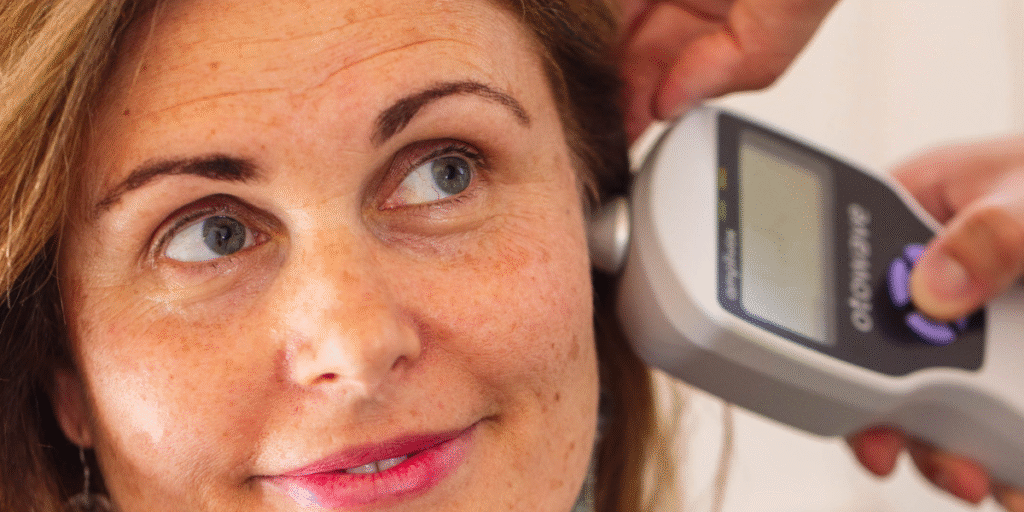
The sticker price reflects the device, the clinic’s professional time, and the support pathway across years. Clinic models vary, so the same device can carry different totals depending on included services.
Advanced Technology (Digital Signal Processing + Speech in Noise)
Modern devices separate speech from background through fast digital signal processing.
Higher tiers use more granular scene analysis and adaptive filtering, which lifts comfort and intelligibility. These capabilities influence hearing aid prices and contribute to the overall hearing aids.
Connectivity and Convenience Features Add Up
Bluetooth streaming, app control, telecoil access, and premium chargers increase usability throughout the day.
Not every feature is essential for every person, so match options to your habits and typical environments. Feature selection shapes the average hearing aid cost and the range of hearing aid prices you will see.
Research & development (R&D) in tiny medical-grade devices
Hearing devices pack microphones, chips, antennas, and power systems into a small, durable shell.
Miniaturisation, waterproofing, and platform upgrades require ongoing investment from manufacturers. This R&D footprint drives hearing aid prices and the baseline hearing aid costs across brands.
Clinic Service Bundling (Device + Care Package)
Some clinics include assessments, hearing aid fitting, follow-ups, and warranty support within the device price.
Others offer itemised, pay-as-you-go services with a lower initial device cost. Bundling style changes the totals you see on a hearing aid price list and affects hearing aid prices over time.
Customisation and Add-Ons
Custom earmoulds, high-power receivers, or specialised accessories may be recommended for certain profiles.
These add-ons can improve stability, comfort, or speech access in challenging scenarios. They also increase hearing aids, so discuss clinical benefit versus preference.
What Should Be Included in the Price? (So You Can Compare Quotes Properly)
Quotes vary widely, so compare like with like across clinics. A detailed, itemised quote functions as your personal hearing aid price list and makes value differences visible.
Hearing Aid Fitting and Verification (What “Good” Looks Like)
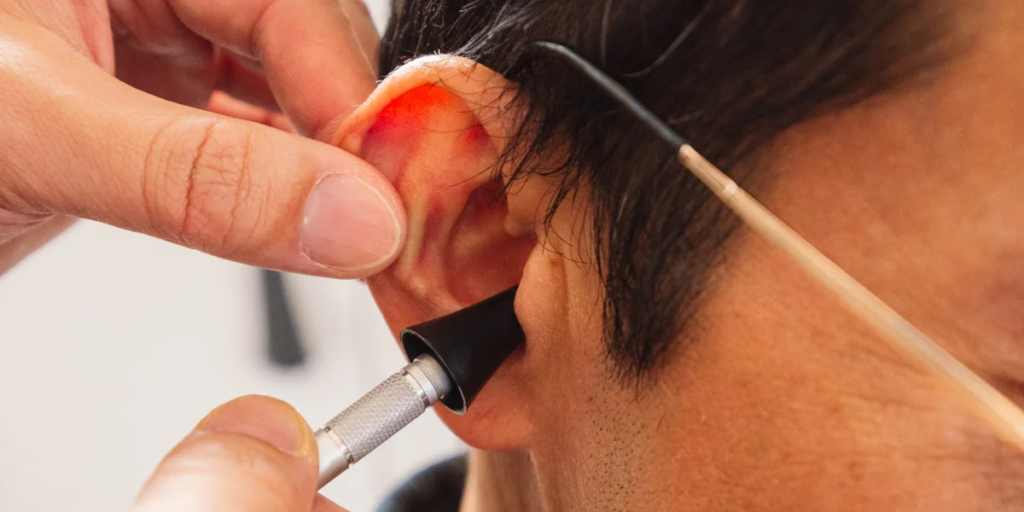
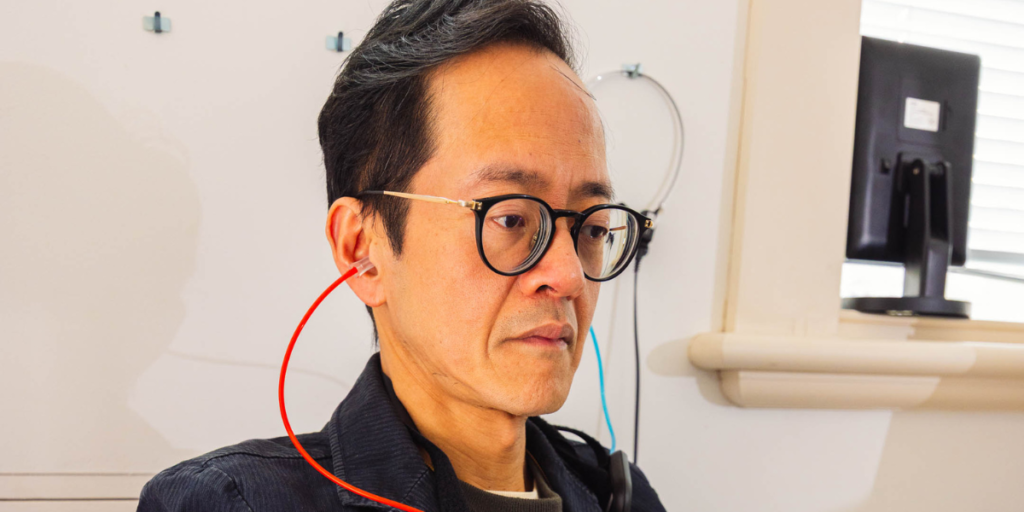
A quality hearing aid fitting includes accurate programming, physical comfort checks, and, where available, real-ear verification.
This process can improve outcomes in noise and reduce listening effort across the day. Stronger clinical protocols often justify the differences you see in hearing aid prices and average hearing aid cost.
Follow-up Appointments and Fine-Tuning
Most people need several adjustments in the first months as the brain adapts to amplified sound.
Check how many follow-ups are included and whether remote support is available for quick tweaks. These visits are part of the real hearing aid fitting journey and influence the average hearing aid cost.
Maintenance and Ongoing Support
Ask what routine care is covered, from cleaning to replacement domes, filters, and minor repairs.
Reliable hearing aid maintenance keeps performance stable and helps prevent avoidable breakdowns. Included support often lowers the total hearing aid cost compared with a bare-bones approach.
Warranties, Repairs, and Loss/Damage Cover
Confirm warranty length, what repairs are covered, and any deductibles or excesses for loss or damage.
If you lead an active lifestyle, a stronger policy can protect your investment across the device’s lifespan. These inclusions change hearing aid prices and longer-term hearing aids.
How to Reduce Hearing Aid Costs (Without Sacrificing Outcomes)
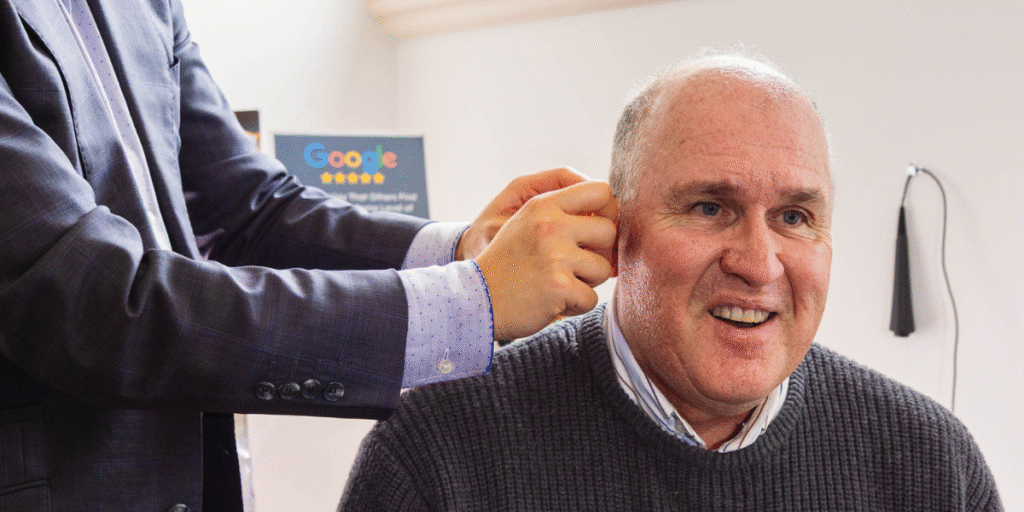
Value comes from aligned technology and a service model that supports daily listening goals. Consider these pathways to manage the budget while preserving clarity and comfort.
Government Programs (Fully subsidised or Partially Subsidised for Eligible Australians)
The Australian Government Hearing Services Program offers fully subsidised or partially subsidised devices for eligible pensioners.
Upgrades can attract a gap fee, which still may suit those seeking additional features or styles. These pathways directly lower hearing aids and can reduce the average hearing aid cost.
Shop Around Using the Same Device as the Benchmark.
Ask for the exact model name and the associated service inclusions, then compare across clinics.
Use an itemised hearing aid price list to align like-for-like offerings and spot true differences. This approach exposes how service bundling shifts hearing aid prices for the same device.
Check Private Health Insurance Rebates (Where Relevant)
Some policies provide rebates, subject to waiting periods, annual limits, and approved providers.
Request written confirmation so you can plan your budget with confidence before you commit. Rebates adjust the average hearing aid cost and can narrow the spread of hearing aid prices.
Consider Direct-To-Consumer Options Carefully
Online or retail devices can trim upfront hearing aid costs, yet may not include tailored clinical care.
If your listening profile is complex or you manage tinnitus, a professional hearing aid fitting can be crucial. Also consider long-term hearing aid maintenance availability before choosing this route.
How NeuroHearing Supports Better Hearing Outcomes
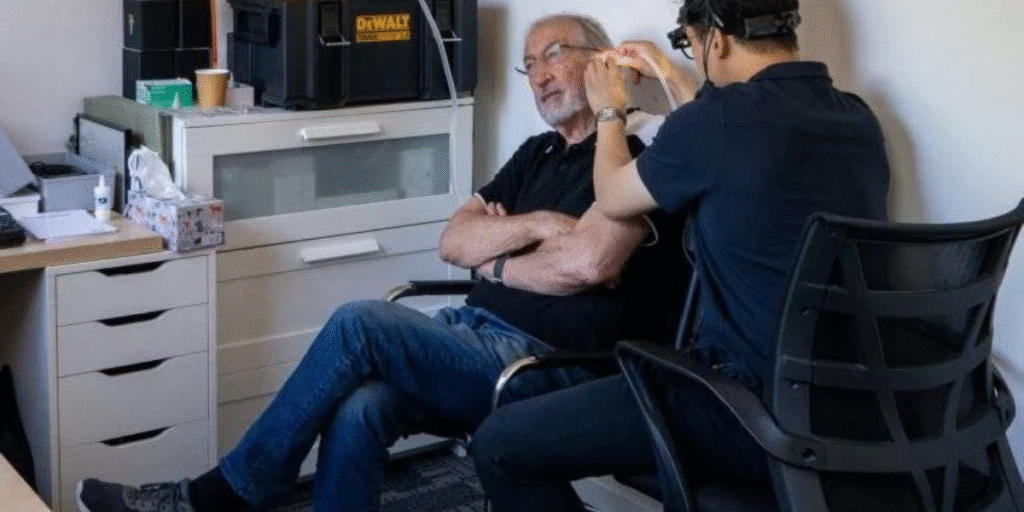
NeuroHearing is a comprehensive hearing-health clinic in Canterbury, Melbourne. Our model pairs transparent hearing aid prices with attentive hearing aid fitting and proactive hearing aid maintenance.
Our Full Suite of Hearing Services
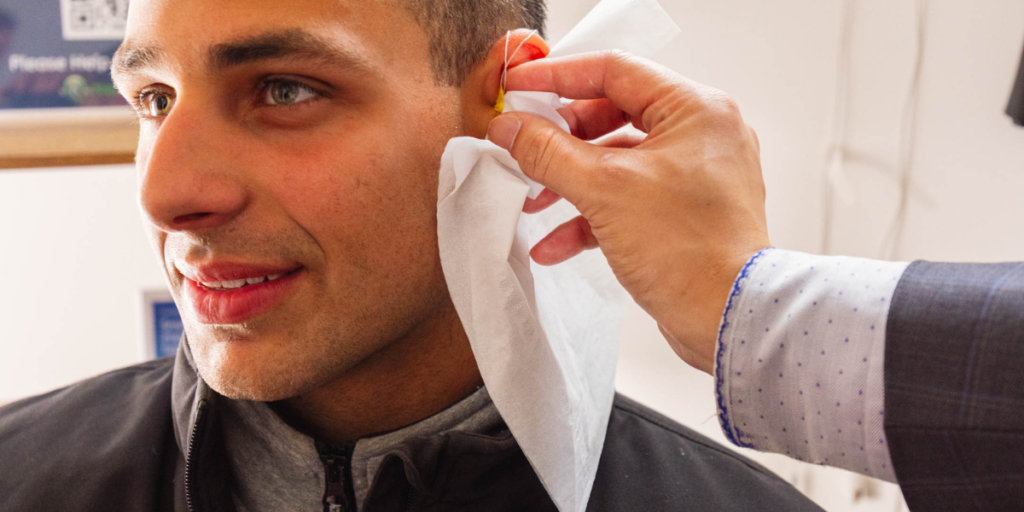
We provide diagnostic hearing assessments, ear-wax checks and gentle removal, tinnitus evaluation and management, and custom ear protection.
We also deliver fittings, optimisation, troubleshooting, and repair pathways to keep devices working day to day. This whole-of-care model supports the clinical side of hearing aid fitting and routine hearing aid maintenance.
Our Process (Brain-Centred Care)
We focus on how your brain adapts to sound, guiding a paced uplift in clarity and comfort.
Structured listening goals, coaching, and data-driven adjustments support real-world outcomes. This framework strengthens the benefits you receive from a precise hearing aid fitting.
Tailored Hearing-Aid Fittings and Follow-up Care
We use verification, real-world trials, and scheduled reviews to tune devices to your daily life.
Support includes remote fine-tuning where appropriate, so you can get timely help between visits. This approach blends meticulous hearing aid fitting with practical hearing aid maintenance for long-term stability.
Auditory Training
Beyond the physical hearing aid fitting, we offer our NeuroHearing auditory training program for suitable clients. This structured program helps your brain adapt and make better sense of the new sounds, especially in challenging environments. It improves speech clarity in noise, builds confidence, and reduces listening effort, enhancing your overall experience.
Transparent Pricing and Personalised Recommendations
We present itemised quotes that spell out device features, appointment pathways, and support inclusions.
You can compare each option like-for-like using a clear hearing aid price list. Recommendations align features, style, and budget within typical hearing aid prices for your tier.
Conclusion
Prices vary by technology tier, clinical process, and the scope of support that follows you home. If you compare itemised quotes, you can judge value by outcomes, not just the sticker on the device. A strong hearing aid fitting and reliable hearing aid maintenance often separate a good experience from a frustrating one, regardless of tier.
Ready to talk? Book a consultation with NeuroHearing in Canterbury for clear advice, transparent hearing aid prices, and a practical plan. Ask for an itemised hearing aid price list, and we will tailor options to your needs, goals, and budget.
Quick Answers (For People Who Skim)
Short, direct responses to the most common questions help you compare clinics quickly and plan your next steps.
Why Are Hearing Aids So Expensive in Australia?
- Advanced miniaturised tech, ongoing R&D, and bundled clinical care (assessment, fitting, follow-ups, maintenance, warranty) create wide price differences between clinics. We itemise your quote, tailor the tech to your listening needs, and right-size the care package so you only pay for what delivers results.
What Is the Average Price of Hearing Aids in Australia?
- Typical ranges per pair: entry $1,000–$3,000, mid $3,000–$6,000, premium $6,000–$10,000+, with subsidies available for eligible Australians. We compare the exact model across suppliers, check HSP eligibility and health fund rebates, and curate step-up options within your budget.