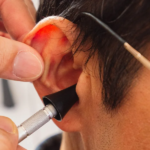
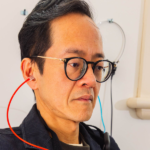
A comfortable, well-fitted hearing aid can transform how you experience the world around you. When fitted correctly, hearing aids restore clarity, ease communication, and bring back the joy of natural sound. If your device feels uncomfortable, produces feedback noise, or sounds distorted, it may need professional adjustment. However, “poorly fitted” doesn’t just mean physical discomfort; it primarily refers to how your hearing aids have been programmed and adjusted to your unique hearing needs. Acting early helps avoid pain, frustration, and possible device damage.
Signs of an Inappropriate or Poorly Fitted Hearing Aid

When hearing aids fit properly, they feel natural and deliver clear, balanced sound. Problems can arise from incorrect programming, amplification settings, or physical fit issues. If you ignore these warning signs, you might end up with discomfort, infections, or even a drop in your hearing quality.
PHYSICAL FIT ISSUES
Pain or Tenderness
Pain or tenderness around your ear often indicates that your hearing aids are the wrong size or too tight. The mould might press on the ear canal, or the dome could be too firm. Continued pressure can cause soreness or inflammation, especially during humid weather in Melbourne.
Hearing Aids Falling Out or Feeling Loose
If your hearing aids slip or fall, they may be too small or poorly positioned. A loose fit reduces sound clarity and makes the device vulnerable to damage. A correct dome size or a custom mould can help keep your hearing aids secure, especially for active people in Melbourne.
Persistent Physical Discomfort After the First Few Days
Mild irritation is common at first, but discomfort that continues beyond a week signals a problem. If pain persists, your hearing aids may be fitted incorrectly. Properly adjusted devices should never cause lasting hearing aid discomfort.
Excessive Earwax Buildup
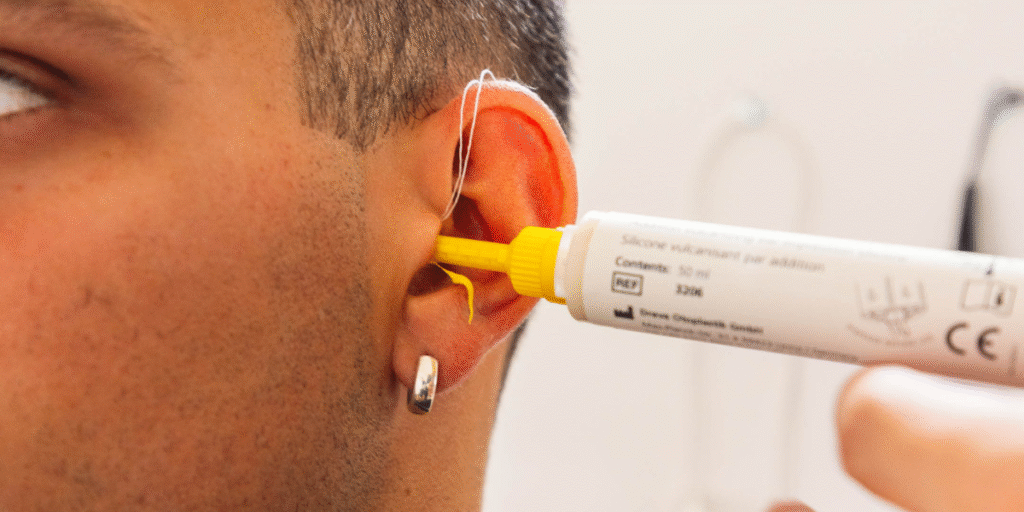
An increase in earwax can mean your hearing aids are rubbing against the ear canal or causing friction. Over time, this can lead to earwax blockage, irritation, or device malfunction. Routine cleaning and professional earwax management help prevent buildup.
SOUND PROGRAMMING & SETUP ISSUES
Feedback or Whistling Noise
A whistling or squealing sound, known as feedback, usually means your hearing aids are not properly sealed or programmed correctly. Escaped sound is re-amplified by the device, creating an unpleasant loop. This often happens due to a loose fit, incorrect insertion, cracked dome, or improper gain settings. Regular servicing and adjustments can stop feedback noise and restore clear sound.
Sounds Are Too Loud or Uncomfortably Amplified
If every day sounds like dishes clattering, doors closing, or your own voice seem uncomfortably loud, your hearing aids may be over-amplified. This happens when the gain settings are too high for your actual hearing loss. Over-amplification causes fatigue, headaches, and makes you want to remove your devices. Your audiologist can adjust the output levels to match your comfort threshold while maintaining speech clarity.
Background Noise Drowns Out Speech
One of the most common complaints is hearing air conditioning, traffic, or restaurant noise louder than the person speaking to you. This indicates poor programming of your hearing aid’s noise reduction features or incorrect microphone directionality settings. Modern hearing aids should prioritise speech over background noise, but this requires careful programming based on your listening environments.
If you find yourself struggling to follow conversations in cafes, shopping centres, or family gatherings despite wearing your hearing aids, the devices need reprogramming—not just a volume adjustment. Your audiologist can fine-tune frequency-specific amplification, activate directional microphones, and adjust noise management programs to improve speech intelligibility in challenging environments.
Poor Sound Quality – Tinny, Hollow, or Robotic Sound
If voices sound tinny, hollow, robotic, or unnatural, your hearing aids may have incorrect frequency shaping. This goes beyond simple muffled sound—it means certain frequencies are being over or under-amplified. High-frequency sounds might be too sharp, making voices sound harsh, or low frequencies might be excessive, creating a booming quality.
A “plugged” sensation or pressure inside your ear canal can also indicate poor venting or occlusion effect, where your own voice sounds like you’re speaking in a barrel. These issues require professional adjustment of the frequency response curve and possibly physical modifications to improve venting.
Volume Imbalance Between Ears
If one hearing aid seems louder than the other, or you feel sound is coming more from one side, your devices may not be balanced correctly. This creates an uneven soundscape and makes it difficult to locate where sounds are coming from. Volume imbalance can result from:
- Asymmetric hearing loss that hasn’t been properly programmed
- One device has a blocked receiver or microphone
- Incorrect bilateral fitting settings
Proper binaural (two-ear) programming ensures both hearing aids work together harmoniously, providing balanced, natural stereo sound and better sound localisation.
Difficulty Hearing Specific Sounds or Frequencies
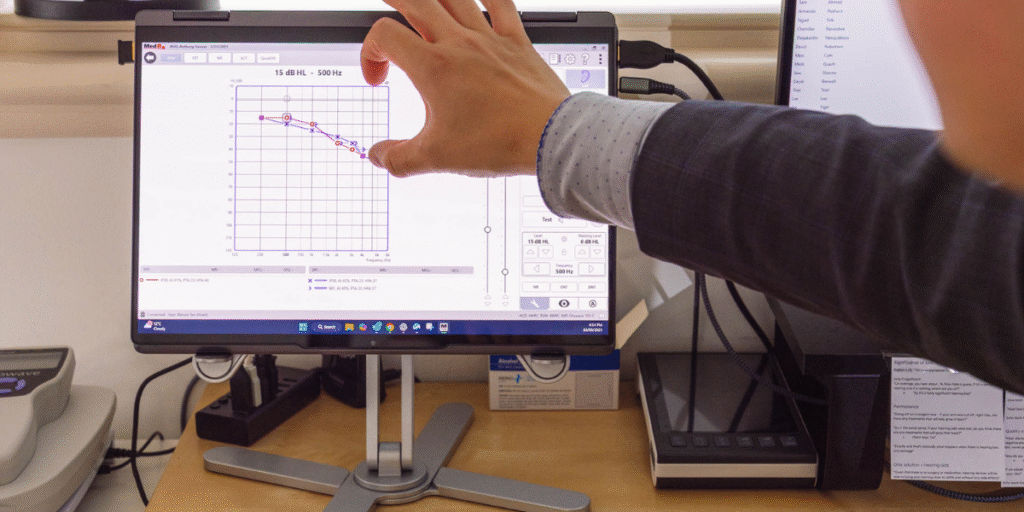
If you can hear some sounds clearly but miss others—like women’s or children’s voices, bird songs, or consonants in speech—your hearing aids may not be programmed to address your specific frequency hearing loss pattern. Everyone’s hearing loss is unique, affecting different pitches differently.
For example, high-frequency hearing loss is common and makes it hard to hear “s,” “f,” “th,” and “sh” sounds, causing speech to sound unclear even when it’s loud enough. Your audiologist needs to program your hearing aids to amplify the specific frequencies you’re missing while avoiding over-amplification of frequencies you hear well.
Sounds Seem Distorted or Unclear at Certain Volumes
If sound quality deteriorates when someone speaks louder, or if soft sounds are inaudible but loud sounds are overwhelming, your compression settings may be incorrect. Hearing aids use compression to make soft sounds audible without making loud sounds uncomfortable, but this requires precise programming.
Distortion at higher volumes can also indicate that your maximum power output (MPO) is set too high, causing the hearing aid to clip or distort. Conversely, if you can’t hear soft speech or environmental cues like footsteps, your compression ratio may need adjustment.
Programs Don’t Seem to Make a Difference
Most modern hearing aids have multiple programs for different environments—restaurant mode, outdoor mode, music mode, etc. If switching between programs doesn’t noticeably improve your hearing experience, they may not be properly configured for your lifestyle and listening needs.
Your audiologist should customise programs based on your daily activities. If you spend time in noisy cafes, attend concerts, or work in quiet offices, each environment needs specific programming. Generic factory settings rarely provide optimal performance.
What to Do If You Suspect a Poor Fit or Incorrect Programming
If your hearing aids cause irritation, inconsistent sound, or poor speech clarity, a professional check is essential. A qualified audiologist can identify whether the issue is related to physical fit, programming settings, or device condition. Avoid self-adjustment, as improper handling can worsen hearing aid discomfort or damage your device.

Contact Your Audiologist
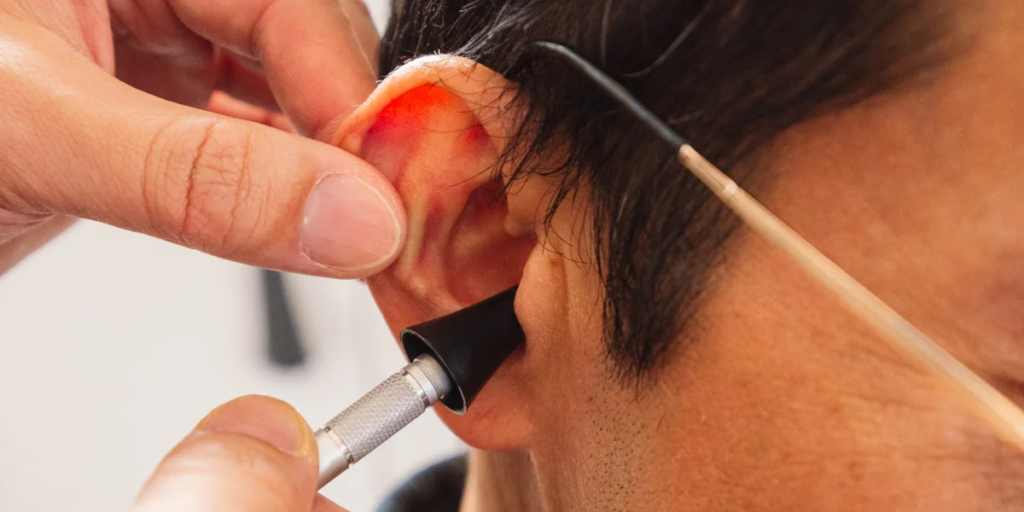
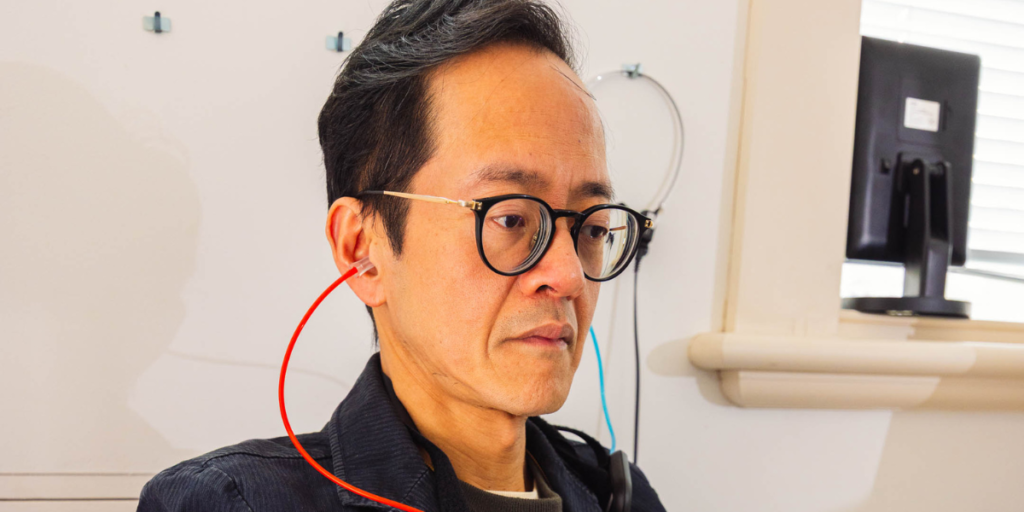
Book an appointment with your audiologist for a refitting or reprogramming session. Clinics such as NeuroHearing specialise in adjusting hearing aids for both comfort and optimal sound quality. Skilled professionals use diagnostic tools and real-ear measurements to assess your ear shape and fine-tune settings for a natural hearing experience tailored to your specific hearing loss pattern.
Avoid DIY Fixes
Avoid trying to fix your hearing aids at home. Trimming or forcing components into place can damage parts and cause irritation of the ear canal. Similarly, attempting to adjust programming through apps without professional guidance can create more problems. Always seek professional help to maintain your device’s safety and performance.
Maintaining Comfort and Performance
Consistent care helps hearing aids remain reliable and comfortable. A clean, well-maintained device provides steady performance, prevents earwax blockage, and avoids unnecessary repairs.
Cleaning and Maintenance Tips
Keep your hearing aids in top condition by following these tips:
- Daily Cleaning: Wipe your hearing aids with a soft, dry cloth each day to remove oils and debris that can impact sound quality.
- Protect from Moisture: Keep devices away from water, steam, and cleaning chemicals to prevent internal damage.
- Safe Storage: Store hearing aids in a cool, dry case when not in use to preserve performance and lifespan.
- Professional Maintenance: Schedule professional cleanings to remove wax and dirt, improving comfort and clarity.
Regular Check-Ups
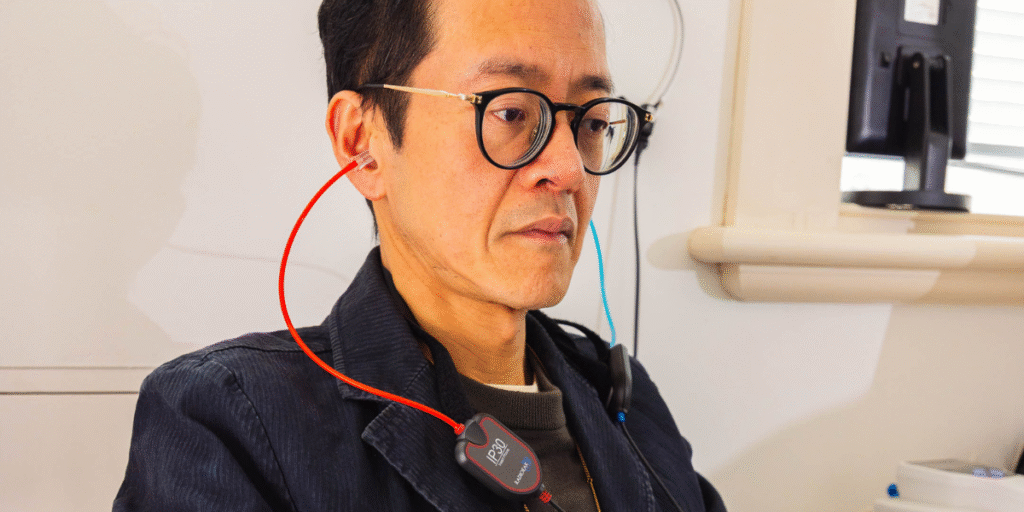
Even if your hearing aids seem fine, regular appointments are important. Your hearing can change over time, requiring reprogramming to maintain optimal performance. Ear canals can also change shape due to age or lifestyle factors. Routine adjustments keep your hearing aids comfortable and performing reliably. In climates like Melbourne, where humidity varies, regular check-ups help maintain both fit and consistent sound quality.
When to See Your Audiologist
Persistent hearing aid discomfort, unclear sound, poor speech understanding, or repeated feedback are signs to visit your audiologist. Prompt professional help prevents further irritation and protects your hearing.
Your audiologist can:
- Dome or Mould Adjustment: Resize or reshape your hearing aid dome or mould for a better seal and improved comfort.
- Amplification Reprogramming: Adjust gain, compression, and frequency-specific amplification to balance volume and clarity for natural sound in different settings.
- Noise Reduction Optimisation: Fine-tune noise management features to improve speech intelligibility in challenging environments.
- Program Customisation: Create or modify programs for your specific listening situations.
- Real-Ear Measurement: Verify that the programmed settings match your actual hearing loss using probe-microphone measurements.
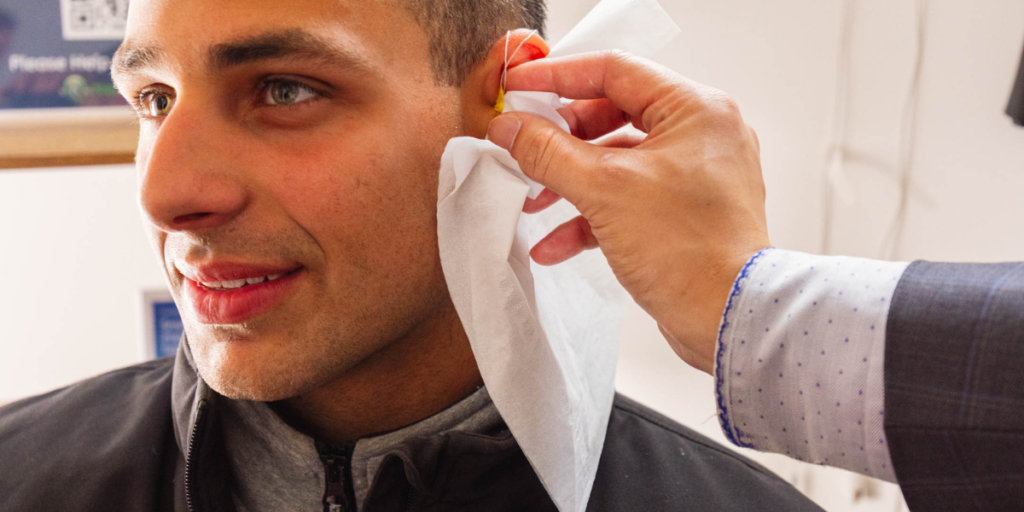
- Professional Cleaning: Remove earwax blockage and fine-tune device function to restore sound quality.
- Ear Health Check: Examine your ears for irritation or infection to support comfort and healthy hearing.
Personalised Hearing Aid Care and Fitting at NeuroHearing
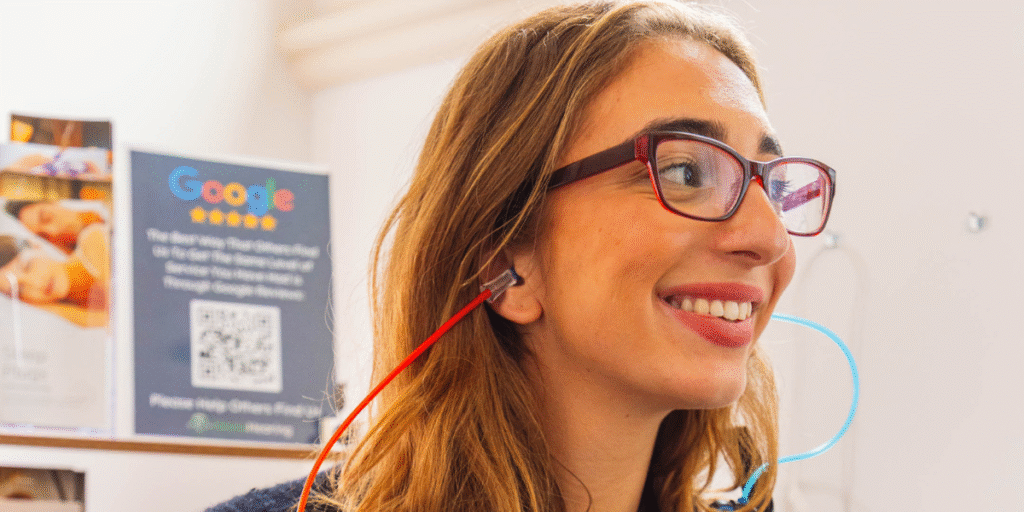
At NeuroHearing, every fitting is designed to match your hearing needs, ear shape, and lifestyle listening requirements. Even a small difference in size, angle, or programming parameter can affect comfort and clarity. Our Melbourne audiologists use advanced tools, including real-ear measurement systems, to assess your ear structure and device performance for the best possible fit and programming.
We offer:
- Custom Fitting and Adjustments: Each hearing aid is shaped to your ear for a secure fit and natural sound experience.
- Precision Programming: Individualised amplification settings based on your specific hearing loss pattern and listening needs.
- Real-Ear Verification: Objective measurement to ensure your hearing aids deliver the prescribed amplification.
- Earwax Management and Cleaning: Professional cleaning prevents blockages and keeps your device working smoothly.
- Comfort Testing: Audiologists test fit and balance to reduce hearing aid discomfort and support daily comfort.
- Ongoing Support: Continued care and follow-up visits help maintain reliable performance over time as your hearing or needs change.
If you notice feedback, discomfort, poor speech clarity, or environmental sound imbalance, visit our Melbourne clinic for expert help and professional care.
Conclusion
Well-fitted hearing aids offer comfort, clear sound, all-day stability, and excellent speech understanding in various environments. Any feedback, irritation, distortion, or difficulty hearing conversations means it’s time for a professional adjustment. Even small changes in programming or physical fit can dramatically improve hearing comfort and satisfaction.
Residents of Melbourne experiencing hearing aid discomfort, poor sound quality, or speech clarity issues can benefit from local professional care. Schedule a consultation today to enjoy improved clarity and comfort.
Experience clear, confident hearing with NeuroHearing, your trusted experts in personalised hearing care and precision programming. Book an appointment today and let our audiologists fine-tune your hearing aids for lasting comfort and clarity.
Frequently Asked Questions About Hearing Aid Fit and Use
When Should You Not Wear Your Hearing Aids?
- Remove hearing aids before sleeping, swimming, showering, or applying hair products. Moisture and chemicals can damage your device and cause ear canal irritation.
What Is the Most Common Complaint About Hearing Aids?
- The most common issue among hearing aid users is feedback noise or whistling, usually caused by a poor seal or incorrect fit. Other common concerns include hearing aid discomfort and difficulty adjusting to amplified sound.
How Do I Know If My Hearing Aid Is Inserted Correctly?
- A properly placed hearing aid should feel secure but comfortable, with no feedback noise. Sound should be clear, and you should not feel pressure or ear canal irritation.
How Many Hours a Day Should You Wear Your Hearing Aid?
- Once you are fully adjusted, wear your hearing aids for eight to sixteen hours each day. Consistent use helps the brain adapt to sound and prevents volume imbalance.
Can You Talk on the Phone While Wearing a Hearing Aid?
- Yes. Modern hearing aids use Bluetooth or acoustic coupling, allowing clear phone conversations. A proper fit helps avoid hearing aid discomfort during long calls.
What Sound Does a Hearing Aid Make When the Battery Is Low?
- Most hearing aids emit a gentle beep or chime when the battery is low. Replace or recharge immediately to prevent sound distortion or volume imbalance.