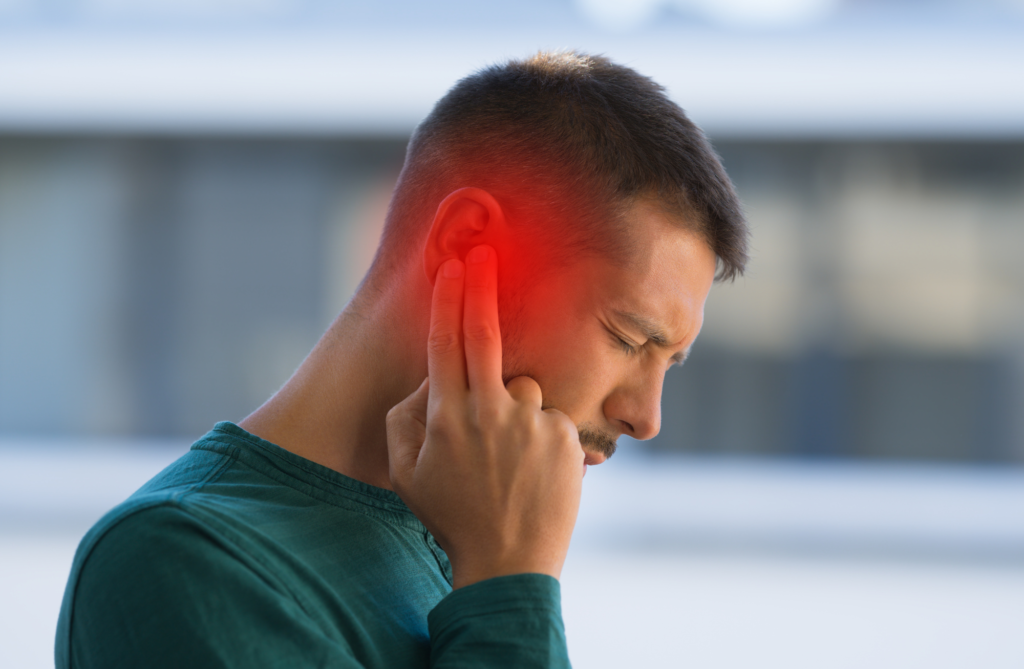
You’re sitting in a busy café, enjoying a warm gluten-free slice that tastes like it came straight from a fancy display cabinet—crisp edges, soft middle, that buttery aroma (even if it’s dairy-free). The person across from you is talking, you can see their lips moving, but somehow the words keep slipping away the moment the coffee machine hisses. You smile and nod, filling in the gaps, then leave feeling oddly tired—like socialising took more effort than it should.
That experience is common with age-related hearing loss, also known as presbycusis. It often creeps in gradually, so many people don’t notice it until everyday conversations start feeling harder, especially in noisy places. In this guide, we’ll cover symptoms to watch for, the causes of presbycusis, the different presbycusis types, and practical options for presbycusis treatment—including how a hearing aid for presbycusis can make life feel clearer and less exhausting.
What Presbycusis Is (and Why It Can Feel So Subtle at First)
Presbycusis is age-related hearing loss that typically develops slowly over years. It’s extremely common as we get older, and it usually affects both ears. What makes it tricky is that it doesn’t always feel like “I can’t hear”—it can feel like people mumble, conversations blur, and background noise suddenly becomes the main event.
Beyond the ears themselves, presbycusis affects confidence, connection, and everyday independence. If you’re a parent, a home baker, or someone who loves sharing food and stories with friends, hearing clearly matters for those small moments that make life feel full.
Presbycusis vs “Blocked Ears” or Temporary Hearing Changes
Not all hearing changes are presbycusis. Temporary issues—like ear wax build-up, a head cold, allergies, sinus congestion, or an ear infection—can dull hearing and create a “blocked” sensation. Those problems often fluctuate, improve with treatment, or feel one-sided, whereas presbycusis tends to be gradual and consistent over time.
That’s why getting the right diagnosis matters before committing to any presbycusis treatment plan. A hearing assessment can help separate age-related changes from conditions that need medical care (or a simple fix), and it can clarify whether you’re dealing with one of several presbycusis types.
Why Speech Clarity (Especially in Noise) Is Often the First Clue
A hallmark sign is: “I can hear you, but I can’t understand you.” Presbycusis often affects high-frequency hearing first, which includes many consonants that give speech its crispness—sounds like “s”, “f”, “t”, “k”, and “ch”. When those fade, speech can sound like it’s missing edges, especially when there’s competing noise.
In practical terms, this is why cafés, school halls, and family get-togethers can become difficult. It also explains why simply turning things up doesn’t always solve the problem—clarity and speech discrimination are major parts of presbycusis treatment, not just loudness.
Common Symptoms and Early Signs to Look Out For

Presbycusis rarely arrives with a dramatic moment. Instead, it shows up as small, repeated frustrations: asking people to repeat themselves, missing punchlines, or feeling left out in group conversations. Spotting early signs matters because earlier support often leads to better comfort and confidence, and can reduce the mental fatigue that comes from constant “guessing” what was said.
If you’re noticing changes in yourself or a loved one, it can help to think of symptoms as patterns—where and when communication breaks down. That pattern also gives clues about the best presbycusis treatment approach and whether a hearing aid for presbycusis might help.
Trouble Following Conversations in Busy Places
Background noise is one of the biggest challenges. In a bustling environment, your brain has to separate speech from clatter—cups, music, machines, and multiple voices. With presbycusis, that sorting process becomes harder, so the conversation you want may feel like it’s constantly being “covered” by everything else.
This is one reason a hearing aid for presbycusis can be so useful: modern devices can improve access to speech cues and, in many cases, help prioritise speech in front of you. It’s not magic silence, but it often reduces the strain of trying to keep up.
Turning the TV Up (But Still Missing Words)
Many people turn the TV volume up, only to find they still miss parts of dialogue—especially if characters speak quickly, have accents, or there’s background music. That’s because the issue isn’t always volume; it’s often clarity, particularly for high-frequency consonants.
A hearing test can help identify which presbycusis types might be contributing to that “volume without understanding” feeling. It can also point toward targeted presbycusis treatment strategies, such as hearing aid programming designed around your specific hearing profile.
Tinnitus, Listening Fatigue, and Social Withdrawal
Tinnitus—ringing, buzzing, or humming in the ears—can occur alongside presbycusis. While tinnitus has many causes, it often becomes more noticeable when hearing changes reduce outside sound input. Over time, the combination of tinnitus and reduced clarity can feel draining.
Listening fatigue is real. When your brain is working overtime to fill in missing sounds, social interactions can become exhausting. This can lead people to avoid gatherings, which affects mental wellbeing and relationships—another reason early presbycusis treatment can be genuinely life-enhancing, not just “nice to have.”
Family Members Noticing Before You Do
Often, family members see the pattern first: repeated “What?” moments, misunderstandings, or a tendency to withdraw in group settings. They might notice you prefer quieter one-on-one chats or sit closer to the TV.
Supportive next steps work best when they’re kind and practical:
- Mention a specific moment (“That café was so noisy—seemed hard to follow”).
- Offer a shared action (“Want me to come with you for a hearing check?”).
- Focus on ease (“Let’s make this less tiring for you.”).
That approach keeps the conversation non-judgemental and opens the door to presbycusis treatment without shame.
What Causes Presbycusis (It’s Usually More Than “Just Age”)
Age is part of the picture, but presbycusis usually has multiple contributors. The causes of presbycusis often overlap—changes in the inner ear, lifelong noise exposure, health conditions that affect blood flow and nerves, and genetics. Thinking about it this way can be empowering, because it turns hearing into a health topic you can address rather than a problem you simply endure.
Understanding the causes of presbycusis can also help you make better choices—protecting your hearing where possible, and choosing presbycusis treatment options that match your lifestyle and needs.
Natural Inner-Ear Changes Over Time
Inside the cochlea (the hearing organ), tiny hair cells help convert sound vibrations into signals the brain can interpret. Over time, these delicate structures can become less effective. Age-related changes can also affect how the auditory system processes sound, not just the ear’s ability to detect it.
These natural changes underpin several presbycusis types, and they’re a major reason high-frequency hearing and speech clarity often decline first. Importantly, these changes are common and not a personal failing—just part of how bodies age.
Lifetime Noise Exposure (Work, Music, and Everyday Sound)
Noise exposure adds up. Years of loud work environments, tools, live music, loud venues, traffic, and even frequent headphone use can contribute to hearing damage. Sometimes people assume noise damage only happens after one extremely loud event, but it’s often cumulative.
Because noise exposure is among the causes of presbycusis, it also shapes prevention and long-term planning. Even if you already have hearing loss, protecting what you still have can support better outcomes with presbycusis treatment.
Health Conditions That Can Contribute
Conditions that affect circulation and nerves can influence hearing. Diabetes, cardiovascular disease, high blood pressure, and chronic inflammation are all linked with changes in hearing health. The auditory system relies on steady blood supply and healthy nerve function, so whole-body health matters.
Some medications can also affect hearing (ototoxic effects). You don’t need to panic, but it’s worth reviewing medications with a GP or audiologist, particularly if hearing changes seem rapid or unusual. These medical factors can sit alongside the causes of presbycusis and influence which presbycusis treatment options are most suitable.
Genetics and Family History
If hearing loss “runs in the family,” your risk may be higher or your hearing changes may follow a similar pattern. Genetics can influence susceptibility to noise, how the inner ear ages, and how quickly hearing changes progress.
Family history is also a great reason not to wait until hearing is “really bad.” Early testing helps identify presbycusis types sooner and gives you more choices for presbycusis treatment, including whether a hearing aid for presbycusis could help you stay socially connected.
Presbycusis Types (and Why Knowing the Pattern Helps)
Not all presbycusis looks the same. The term “presbycusis” covers several patterns of age-related change, and presbycusis types help clinicians describe what’s happening and why. Knowing the pattern matters because it guides expectations—what will improve with amplification, what might remain challenging, and what kinds of support will make the biggest difference.
For everyday life, understanding presbycusis types can explain why one person mainly struggles with clarity in cafés, while another notices a broader reduction in hearing sensitivity. It also helps tailor presbycusis treatment so it fits your real listening needs.
Sensory Changes (Inner Ear Hair Cell Loss)

Sensory presbycusis is linked to hair cell changes in the cochlea, commonly affecting high-frequency hearing first. This often shows up as difficulty hearing consonants and understanding speech, especially with background noise or faster talkers.
A hearing aid for presbycusis is frequently used here because it can amplify the specific frequency ranges that are reduced. With good fitting and follow-up, many people notice clearer speech, less listening strain, and more confidence in everyday conversations.
Neural Changes (Signal Processing and Clarity)
Neural presbycusis involves changes in how signals travel along the hearing nerve and are processed in auditory pathways. People may detect sound but struggle to decode it, particularly in complex listening environments like group conversations.
This is where expectations matter. Even with a well-fitted hearing aid for presbycusis, crowded settings may remain challenging. A strong presbycusis treatment plan often combines technology with practical communication strategies and, sometimes, assistive devices that improve speech-to-noise ratio.
Metabolic/Strial Changes (Reduced “Power Supply” in the Cochlea)
Metabolic (or strial) presbycusis relates to changes in the cochlea’s support systems, which help maintain the environment needed for normal hearing function. When that system becomes less efficient, hearing sensitivity can drop more broadly.
People may notice they need more volume overall, not just clarity tweaks. This pattern can respond well to presbycusis treatment that includes hearing aids, plus ongoing monitoring to keep settings matched to changes over time.
Mechanical/Cochlear Stiffening (How Sound Travels)
Mechanical presbycusis involves structural changes that affect how sound moves through the cochlea. Think of it as a change in the “mechanics” of the inner ear, which can alter perception and sensitivity.
Because the effects can vary, an audiogram and clinician interpretation are key. Identifying the likely presbycusis types present helps refine presbycusis treatment, ensuring any hearing aid for presbycusis is programmed to your specific pattern rather than using a one-size-fits-all approach.
How Presbycusis Is Diagnosed (What to Expect From a Hearing Check)
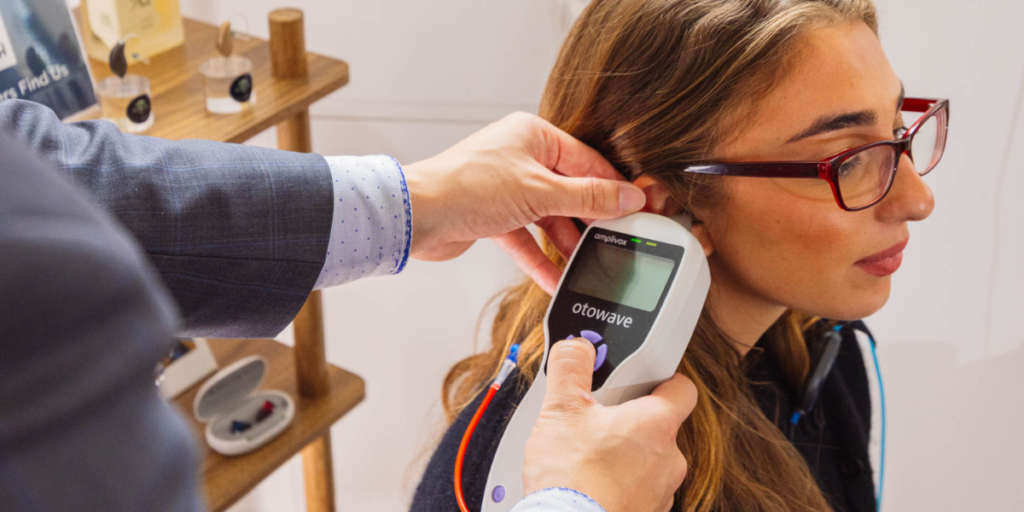
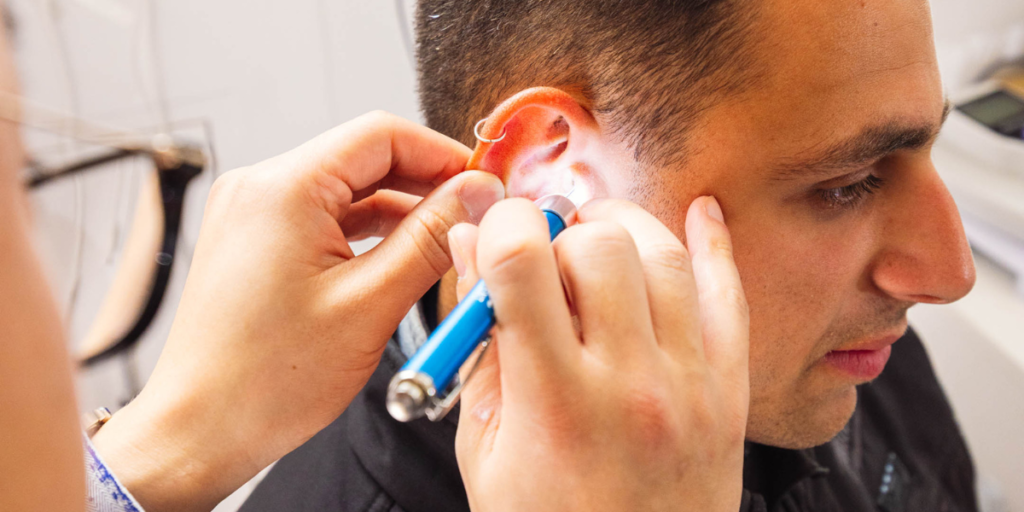
A hearing assessment is straightforward, non-invasive, and often surprisingly reassuring. Many people put it off because they assume it will be confronting—or that the only outcome is “you need hearing aids.” In reality, the goal is clarity: understanding what’s happening, what’s contributing, and what your options are for presbycusis treatment.
If you like to feel prepared (especially if you’re the type who reads ingredient labels and checks cross-contamination statements), think of a hearing check as the equivalent of a reliable “lab test” for your listening. It gives you data, not judgement.
The Hearing History: Your Real-World Listening Problems
A clinician will usually ask about your day-to-day listening challenges: when it’s hardest, what you’ve noticed, and whether tinnitus, dizziness, pain, or one-sided changes are present. They’ll also ask about noise exposure, health conditions, medications, and family history.
These details matter because they help interpret results and identify potential presbycusis types. They also help narrow down the likely causes of presbycusis, which can shape prevention tips and the most effective presbycusis treatment approach.
Audiometry and What an Audiogram Shows
Audiometry measures how softly you can hear tones across pitches (frequencies). The results are shown on an audiogram—basically a chart of hearing sensitivity. This isn’t just a technical report; it explains why certain sounds or voices are harder and which frequencies need support.
The audiogram helps link symptoms to real-life experiences: difficulty with phone calls, missing soft speech, or struggling with higher-pitched voices. It’s also used to guide hearing aid settings, which is crucial if you’re considering a hearing aid for presbycusis.
Speech-in-Noise Testing (The “Café Test”)
Many clinics use speech testing that includes background noise to mimic real-world environments. This can reveal functional difficulties that a basic tone test may not fully capture. It’s especially helpful for people who say, “My hearing test was ‘okay’ but I still can’t follow conversations.”
Speech-in-noise results can guide presbycusis treatment decisions, including whether a hearing aid for presbycusis is likely to improve your day-to-day life and what features or accessories could be most useful.
Presbycusis Treatment Options That Actually Help (Beyond Just “Turn It Up”)
The best presbycusis treatment plans focus on function: understanding speech, reducing fatigue, and staying connected to people and activities you love. Often, the most effective approach is a combination—technology plus practical strategies, tailored to your hearing profile, preferences, and budget.
It’s also worth knowing that presbycusis treatment is not a one-time purchase. It’s a process: assessment, fitting (if needed), fine-tuning, learning new listening habits, and checking in as needs change.
Hearing Aids: What They Can and Can’t Do
A hearing aid for presbycusis is designed to amplify and shape sound so speech becomes more accessible—especially the frequencies you’re missing. Many people notice they’re less tired after conversations because they’re no longer constantly “filling in blanks.” Hearing aids can also help some people feel safer and more aware in daily life (doorbells, alarms, traffic).
However, hearing aids don’t erase all noise or restore “perfect hearing,” especially in very loud places. That’s why realistic expectations are part of good presbycusis treatment. The goal is improvement and ease, not perfection.
Choosing the Right Hearing Aid Features for Real Life
Modern devices may include directional microphones (to focus on speech in front), noise reduction, feedback control, Bluetooth streaming for calls and media, and app-based controls. The “best” feature set depends on how you live: do you attend school assemblies, work meetings, community events, or prefer quiet home routines?
Different presbycusis types can respond differently to certain settings and strategies. A clinician can match your audiogram and speech-in-noise results to appropriate features, making your hearing aid for presbycusis feel more natural and useful day to day.
Auditory Training Program: When It’s Not Just About Hearing Aids
Sometimes it’s not that you “can’t hear”, it’s that you can’t follow what’s being said once there’s background noise. We often see people who feel it’s too early for hearing aids, or who don’t have a clear hearing loss, but still struggle in busy places like cafés, open-plan offices, school events, or family gatherings.
That’s where our Auditory Training Program can help. Listening is a combination of the ears (hearing) and the brain (focusing and making sense of sound). Our program is designed to strengthen the brain skills that support clearer listening, so you can feel more confident in real-life conversations, especially when there’s competing noise.
If hearing aids are recommended, we can also use auditory training to help you adapt faster and get more benefit day to day, not just in quiet settings.
Communication Strategies That Make an Immediate Difference
Even before technology, small changes can reduce frustration. These strategies work well alongside presbycusis treatment and help your family support you without making a big deal of it.
A few high-impact options:
- Sit with your back to a wall in cafés to reduce competing noise behind you.
- Ask people to face you and speak clearly (not loudly).
- Turn off background TV or music during important conversations.
- Repeat key words to confirm (“So we’re meeting at 3 pm, at the park?”).
These aren’t “hacks” so much as hearing-friendly habits that reduce strain and make conversations feel smoother.
Assistive Listening Devices and Captions (Phone, TV, Meetings)
Assistive technology can be a game-changer, especially for noisy spaces. Remote microphones, TV streamers, and phone settings can improve clarity by delivering sound directly where you need it.
Captions are also a powerful tool (and not a sign of failure). They can reduce fatigue and misunderstandings, particularly at night when you’re tired or when dialogue is soft. Many people use these supports as part of a broader presbycusis treatment plan, with or without a hearing aid for presbycusis.
When Medical Referral Matters
Presbycusis is common, but not every hearing issue is presbycusis. Certain symptoms should be checked urgently or by an ENT specialist: sudden hearing loss, significant one-sided hearing change, persistent ear pain, drainage, or dizziness/vertigo.
Even if the causes of presbycusis seem to fit, it’s important not to self-diagnose. A proper assessment ensures you’re not missing a medical condition that needs different treatment—and it keeps your presbycusis treatment plan safe and appropriate.
Prevention and “Hearing-Friendly” Habits for the Long Game
You can’t fully prevent ageing, but you can reduce avoidable risks and protect the hearing you have. Prevention is especially meaningful because some of the causes of presbycusis are influenced by lifestyle and health factors. Think of it like protecting a great gluten-free starter: small consistent steps matter more than occasional big efforts.
Good prevention also supports better outcomes if you’re already exploring presbycusis treatment. Protecting your ears can slow additional damage and help hearing technology work more effectively.
Protecting Your Ears in Everyday Life
Noise protection doesn’t need to be dramatic. It’s about lowering exposure and giving your ears recovery time. This is particularly relevant if your hobbies include loud mixers, bustling markets, concerts, or DIY projects.
Helpful habits include:
- Keep earplugs handy for loud events or tools.
- Use noise-reducing headphones at safe volumes.
- Take “quiet breaks” after noisy environments.
Because noise exposure is among the causes of presbycusis, these steps can make a real difference over time.
Looking After Overall Health (Heart, Blood Sugar, Sleep, Stress)
Hearing health is connected to overall health. Circulation, inflammation, and nerve function all play a role in how the auditory system performs. Managing blood pressure, blood sugar, and cardiovascular risk factors can support long-term hearing outcomes.
Sleep and stress matter too—especially if tinnitus or fatigue is part of the picture. These wellness habits won’t replace presbycusis treatment, but they can support your brain’s ability to process sound and cope with challenging listening environments.
Building a Family Culture of Clear Communication
Families can make hearing support feel normal rather than awkward. Small adjustments can help everyone communicate better, including kids and teens who may not realise how much background noise affects clarity.
Consider normalising:
- Captions on the TV by default.
- One person speaking at a time during family meals.
- Choosing quieter venues for catch-ups.
- Checking understanding without teasing (“Did that make sense?”).
These changes support connection and reduce stress—especially if someone is adjusting to presbycusis treatment or trialling a hearing aid for presbycusis.
Talking to Family (and Keeping Social Life Joyful)
Hearing loss isn’t only a medical topic—it’s emotional. People may worry it makes them look “old,” feel embarrassed about misunderstanding, or fear being pressured into expensive devices. A helpful approach respects autonomy while focusing on what matters: staying connected, confident, and included.
When presbycusis treatment is framed as a tool for better living (not a label), people are more likely to engage early—and early support often means easier adjustment and better results.
How to Bring It Up Without Causing Defensiveness
Lead with care and specific examples. Avoid framing it as a flaw (“You never listen”) and instead talk about shared experiences (“That restaurant was so loud—seemed hard to catch everything”). If you’re the one noticing changes in yourself, self-compassion matters too: hearing changes are common, and seeking help is proactive.
You can also make it practical: suggest a hearing check as a baseline, especially if the causes of presbycusis (age, noise exposure, health factors, family history) apply. It’s simply gathering information, not committing to a device.
Making Noisy Moments Easier (Restaurants, Parties, School Events)
Social settings can still be enjoyable—you may just need smarter setups. Planning ahead can prevent the “smile and nod” spiral and make outings feel light again.
Strategies that often help:
- Choose seating away from kitchens, speakers, and crowds.
- Go earlier when venues are quieter.
- Sit where you can see faces clearly (good lighting helps).
- If you use a hearing aid for presbycusis, ask your clinician about programs for noise or directional focus.
These changes work best when they’re part of a bigger presbycusis treatment approach—one that fits your hearing profile, your comfort, and your lifestyle.