Hearing ringing or buzzing in your ears when the room is quiet can be unsettling, especially if you do not know what is causing it. For many Australians, this sound is tinnitus, a common experience that can range from mildly distracting to deeply distressing. It can interfere with sleep, work, conversations and overall peace of mind.
The good news is that tinnitus is often manageable once the cause is understood and the right support is in place. From medical assessment to targeted treatments, there are clear pathways that can reduce its impact. This article walks you through what tinnitus is, common causes, treatment options and how hearing aids for tinnitus and specialist care in tinnitus management can help you regain confidence in everyday life.
What Is Tinnitus?
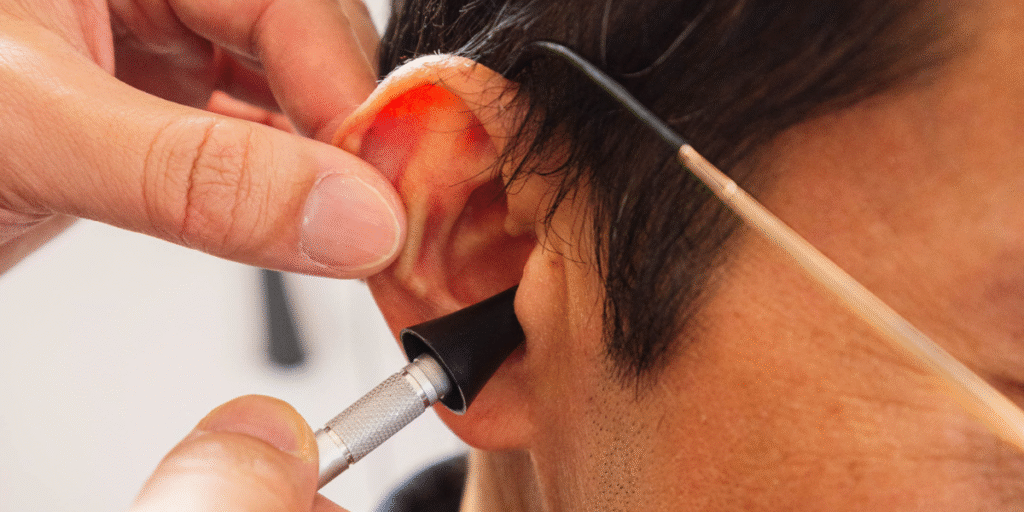
Tinnitus describes the perception of sounds in your ears or head when there’s no external noise to be heard. People often describe tinnitus as ringing, buzzing, humming or hissing that feels like it comes from inside the ear or brain. While the noise is very real to the person experiencing it, it is generated by the hearing system rather than the outside world.
Common tinnitus sounds
Common tinnitus sounds include ringing, buzzing, humming, hissing, roaring or clicking, which may be soft or loud, low or high in pitch. Some people notice that their tinnitus changes throughout the day, especially in quiet settings.
You might experience tinnitus as a steady noise or as something that flares up now and then, affecting either one ear or both. Many people find their tinnitus stands out more at night when there is less background sound to mask it.
Tinnitus as a symptom, not a condition
Tinnitus is best understood as a symptom, not a stand-alone disease. It reflects changes somewhere in the hearing pathway or broader health, such as the ear, hearing nerve or brain.
Recognising tinnitus as a symptom highlights the value of finding underlying causes instead of focusing only on the sound itself. Once those causes are understood, targeted strategies, including hearing aids for tinnitus, sound therapy and counselling, can be planned more effectively.
What Causes Tinnitus?
Here we look at the main reasons tinnitus develops and why they matter for treatment.
Loud noise exposure
Long-term loud noise exposure is one of the most common causes of tinnitus. Work in noisy environments, loud music, concerts or power tools can damage the delicate hair cells in the inner ear.
This kind of damage can result in hearing loss and tinnitus, which may develop slowly over the years. Hearing protection and sensible listening habits play a key role in reducing future tinnitus risk.
Age-related hearing loss

As we age, natural changes in the inner ear can cause hearing to decline, often starting with high-pitched sounds. This age-related hearing loss frequently appears alongside tinnitus.
When hearing is reduced, the brain receives less sound from the outside world and may become more aware of internal noise like tinnitus. In these cases, hearing aids for tinnitus are often part of care, and many modern devices are considered among the best hearing aids for tinnitus because they treat both hearing loss and sound perception.
Ear injury or trauma
Injury to the ear, head or neck can disrupt the pathways that carry sound to the brain and may trigger tinnitus. This might follow a blow to the head, rapid pressure changes or sudden loud impact noise.
Even if hearing seems mostly normal, trauma-related changes in the auditory system can lead to persistent tinnitus. Prompt medical review helps rule out serious problems and guides early support.
Medications that may affect hearing
Some medications used for pain, arthritis, malaria, infections or depression can affect hearing and may contribute to tinnitus, especially at high doses or with long-term use. These are often called ototoxic medicines.
If tinnitus appears or worsens after starting a medicine, it is important to speak with a GP or specialist rather than stopping treatment suddenly. A supervised review can balance health needs while considering the impact on tinnitus.
Underlying medical conditions
Ear infections and earwax blockages can temporarily disturb hearing and trigger tinnitus. Clearing the infection or blockage often reduces the sound once the ear returns to normal.
Conditions such as high blood pressure, heart disease, diabetes, Ménière’s disease, and thyroid disorders can all be connected to tinnitus. Treating these conditions effectively is an important part of many tinnitus care plans.
Stress and fatigue
Stress and fatigue rarely cause tinnitus on their own, yet they often make symptoms feel louder or harder to cope with. Many people notice tinnitus spikes during busy or emotionally difficult periods.
This pattern highlights the close relationship between mind and body in tinnitus. Relaxation strategies, good sleep routines and psychological support can all help reduce distress and improve coping.
How Tinnitus Affects Daily Life

This section focuses on the practical impact tinnitus can have on day-to-day activities and well-being.
Sleep, focus, and emotional well-being
A common complaint with tinnitus is trouble falling or staying asleep, especially when the bedroom is quiet. The constant sound can make it hard to relax or switch off mentally.
Over time, poor sleep and ongoing tinnitus can contribute to increased stress, anxiety, irritability or low mood. Addressing both the sound and its emotional effects usually leads to better outcomes.
Communication and social engagement
When tinnitus occurs together with hearing loss, listening often feels tiring, particularly in groups or noisy places. People may struggle to follow conversations and feel embarrassed about asking others to repeat themselves.
This extra listening effort can lead to social withdrawal and a sense of isolation. Appropriate hearing aids for tinnitus and communication strategies can improve clarity, reduce strain and help people feel more confident in social settings.
How Is Tinnitus Diagnosed?
Here we outline what typically happens during an assessment so you know what to expect.
Hearing and ear health assessments
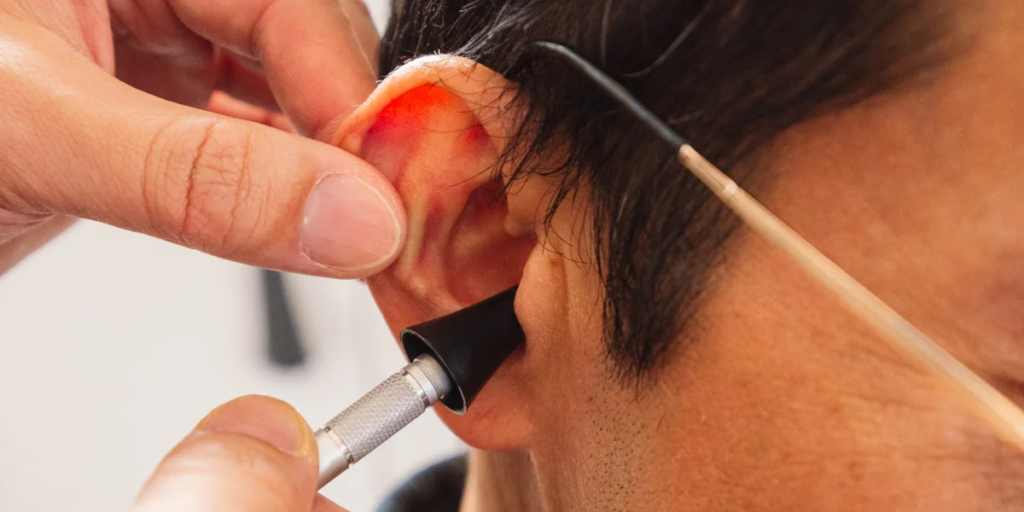
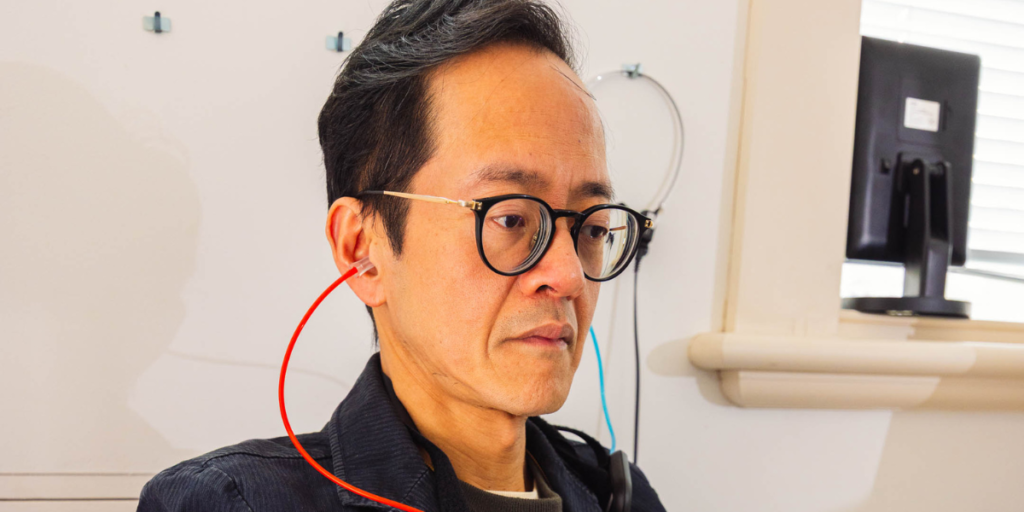
Diagnosis of tinnitus usually starts with a thorough hearing test that checks how well you hear different tones and speech. This is useful for spotting any hearing loss that might be playing a role in the issue.
An ear examination looks for wax, infection, eardrum issues or middle-ear changes. Together, these assessments give a clearer picture of the possible causes of tinnitus and guide the next steps.
Identifying contributing factors
When you visit your clinician, expect them to ask some in-depth questions about your tinnitus, such as when it started, what it sounds like and what makes it better or worse. They will also explore your noise exposure, medical history and current medications.
Understanding how tinnitus affects your sleep, concentration, work and mood is equally important. This information shapes a tailored management plan that may include hearing aids for tinnitus, sound therapy or psychological support.
Treating Tinnitus by Addressing the Underlying Cause
This section explains how focusing on specific triggers can reduce or even resolve tinnitus for some people.
Earwax removal
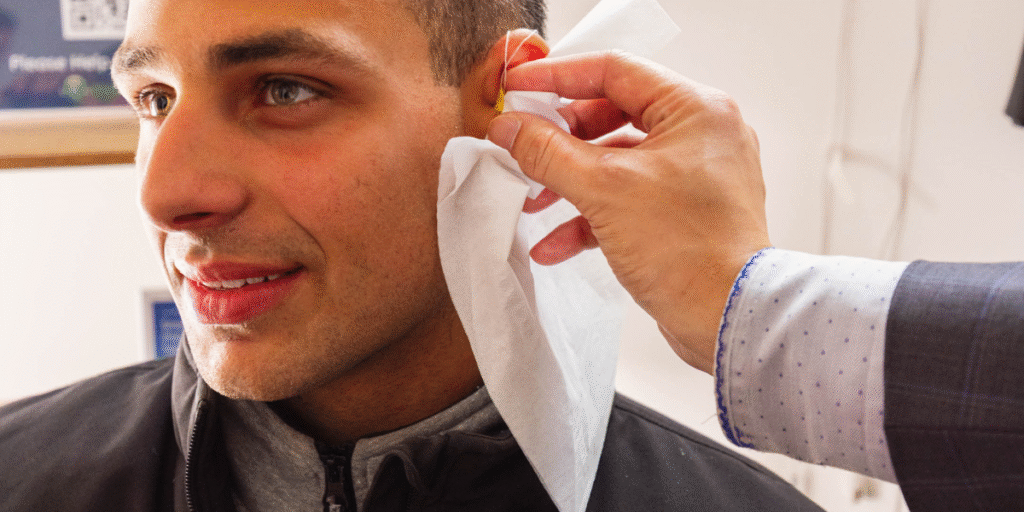
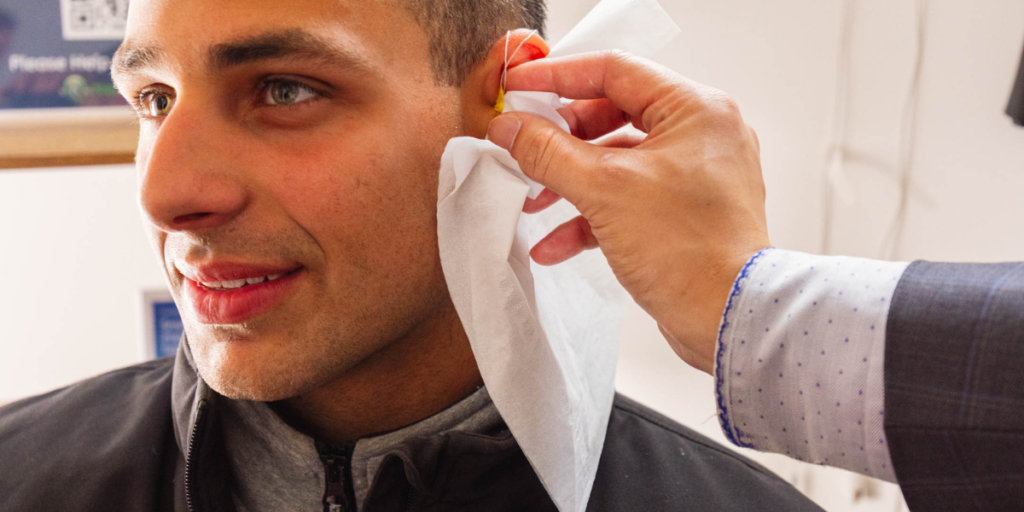
If tinnitus is linked to a significant earwax blockage, professional removal can sometimes bring rapid relief. Once sound travels normally through the ear canal again, the brain often becomes less focused on internal noise.
Safe removal by a qualified clinician avoids injury to the ear canal or eardrum. Many people notice that both their hearing and tinnitus improve after this simple procedure.
Medication review and adjustment
When medicines are suspected of contributing to tinnitus, a GP or specialist can review the treatment plan. They might adjust the dose, switch to a different medicine or change how the drug is taken.
This supervised approach protects overall health while giving tinnitus symptoms careful attention. Regular follow-up helps track whether changes in medication reduce the sound or keep it from worsening.
Treating related medical conditions
Managing conditions such as high blood pressure, diabetes or Ménière’s disease can ease strain on the auditory system and sometimes lessen tinnitus. Stable general health supports better ear and brain function.
A whole-person approach that considers circulation, metabolism and balance alongside tinnitus often brings more durable improvements than focusing on the ears alone.
Managing Persistent or Ongoing Tinnitus
If tinnitus remains after underlying causes are treated, long-term strategies can still meaningfully reduce its impact.
Hearing aids and amplification
If you’re dealing with hearing loss, hearing aids can be incredibly helpful in managing tinnitus. By amplifying everyday sounds, they reduce the contrast between the external world and the internal noise of tinnitus.
Improved access to speech and environmental sound helps the brain pay less attention to tinnitus. Many users describe this combination of clarity and relief as one of the most valuable benefits of the best hearing aids for tinnitus.
Sound therapy and noise machines
Sound therapy uses gentle background noise to soften or partly mask tinnitus, especially in quiet environments. Options range from white noise and nature sounds to tailored sound programs.
These sounds can come from bedside devices, smartphone apps or, in some cases, hearing aids. The goal is not to drown out tinnitus, but to make it less dominant and more comfortable to live with.
Cognitive behavioural therapy (CBT)
Cognitive behavioural therapy helps people understand and change the thoughts and behaviours that keep tinnitus distress going. It does not remove tinnitus, but changes how the brain and emotions respond to it.
CBT can reduce anxiety, improve mood and build practical coping skills. Many clinical studies show it is an effective tool within a comprehensive tinnitus management plan.
Tinnitus retraining therapy (TRT)
Tinnitus retraining therapy combines counselling with low-level sound enrichment to support gradual habituation. The aim is for the brain to categorise tinnitus as an unimportant signal.
Over time, tinnitus becomes less noticeable, even if the sound is still present. This process usually takes months, yet many people experience steady improvement as their brain adjusts.
How Hearing Aids Support Tinnitus Management
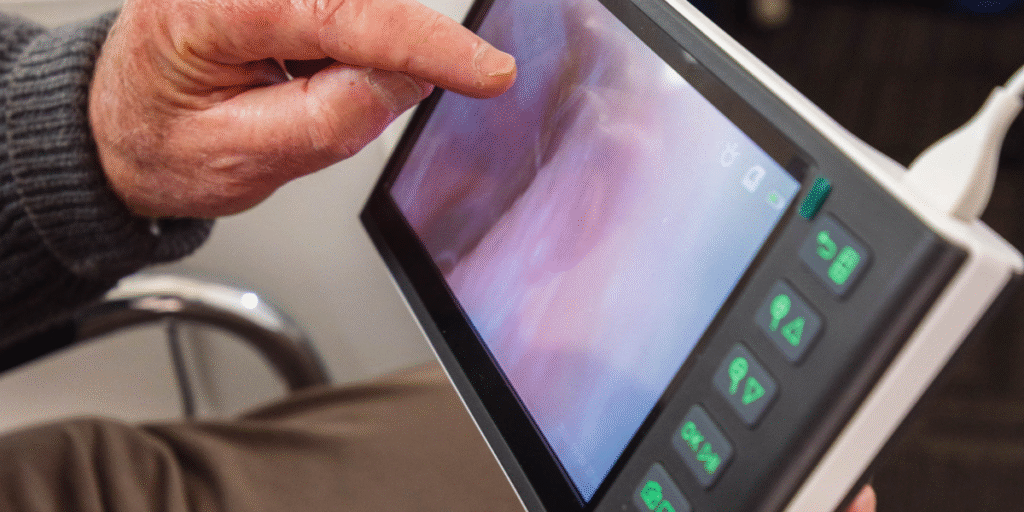
This section focuses on how modern devices can support long-term relief from tinnitus.
Reducing the contrast between silence and tinnitus
When the environment is quiet, tinnitus often feels loudest. Hearing aids for tinnitus raise the level of everyday sounds, which reduces the gap between silence and internal noise.
By improving access to speech and ambient sound, these devices make tinnitus less prominent and conversations more comfortable. Many people find that once their hearing is clearer, their worry about tinnitus also eases.
Modern hearing aid features for tinnitus.
Many of the best hearing aids for tinnitus include dedicated sound therapy features such as built-in noise generators or soothing soundscapes. These can be adjusted to match personal preferences and listening environments.
Clinicians can create personalised programs that balance amplification with gentle masking. This allows the device to support both hearing needs and tinnitus relief throughout the day.
Supporting long-term brain adaptation
Consistent use of hearing aids for tinnitus supports the brain to adapt gradually to a new sound environment. As the brain receives richer, clearer sound, tinnitus often fades into the background.
Over time, many people report fewer spikes in tinnitus intensity and a stronger sense of control. Regular follow-up with a hearing care professional helps keep settings aligned with changing needs.
Accessing Tinnitus Care in Australia
This section outlines the main care pathways and how to begin support for tinnitus locally.
Government-subsidised hearing services
Eligible pensioners and some other groups can access government-subsidised hearing services that cover assessments for hearing loss and tinnitus. These programs help remove cost barriers for many older Australians.
Where clinically appropriate, support can include hearing aids for tinnitus and follow-up appointments. This assistance helps people gain access to treatment earlier instead of waiting until symptoms feel overwhelming.
Private care options
Private hearing clinics provide access to a wide range of tests, technologies and treatment approaches for tinnitus. Appointments can usually be scheduled quickly, which suits people seeking prompt help.
For those in Victoria, clinics that focus on tinnitus management often combine medical collaboration, hearing technology and counselling into comprehensive, personalised plans.
NeuroHearing’s Brain-Centred Approach to Tinnitus Treatment

NeuroHearing offers a dedicated, brain-focused approach that brings together assessment, technology and long-term support for tinnitus.
Comprehensive tinnitus assessment and care
We provide detailed hearing assessments, diagnostic testing and dedicated tinnitus evaluations so we can fully understand your hearing profile and how tinnitus is affecting your life.
Our services include earwax checks and safe removal, hearing aid fitting, fine-tuning and repairs. By offering these in one place, we make it easier for you to manage both tinnitus and overall hearing health with a team you know and trust.
Hearing aids for tinnitus, personalised to you.
We carefully select and program hearing aids for tinnitus based on your hearing test results, lifestyle and specific symptoms. Our focus is on comfort, clear speech and natural, pleasant sound.
By working with advanced devices regarded as some of the best hearing aids for tinnitus, we tailor the sound settings and tinnitus features so they support you in real situations, from quiet evenings at home to busy social events.
The NeuroHearing Process — brain-centred hearing care
We do not just fit hearing devices and send you on your way; we guide your brain through a gradual adjustment process around tinnitus and sound. Our team explains what is happening in clear language, so you feel informed rather than worried.
Through staged adjustments, counselling and regular review, we work with you to improve speech understanding, reduce listening fatigue and help tinnitus fade into the background of daily life.
Ongoing support and local expertise in Melbourne
We stay alongside you after the initial fitting, offering ongoing support to keep your tinnitus management plan working well as your needs change. We adjust hearing aids, refine sound therapy and update strategies based on your feedback.
As a local clinic in Melbourne, we are proud to provide trusted, evidence-based care for tinnitus, including tailored tinnitus management programs. Our team is here to support you long term, not just at the first appointment.
Conclusion
Tinnitus can be frustrating, exhausting and confusing, yet it is also a common experience that responds well to structured care. By understanding causes, seeking assessment and using evidence-based strategies, many people achieve better sleep, clearer communication and calmer days.
Treatments such as sound therapy, CBT, hearing aids for tinnitus and medical care for related conditions all play a part in reducing the impact of tinnitus. With the right support, the sound often becomes less intrusive, and life feels more manageable again.
If you are ready to address tinnitus and explore whether the best hearing aids for tinnitus or other options could help, NeuroHearing is here to support you. Book an appointment with NeuroHearing in Melbourne to begin a personalised, brain-centred plan for lasting tinnitus relief.
FAQs
What is the latest treatment for tinnitus?
The latest approach combines hearing aids for tinnitus, sound therapy, CBT and tinnitus retraining therapy, focusing on long-term relief rather than a single cure.
At NeuroHearing, we use these evidence-based tools together and personalise your tinnitus management so our plan fits your hearing, lifestyle and goals.
What are three causes of tinnitus?
Three common causes of tinnitus are long-term loud noise exposure, age-related hearing loss and certain medications or medical conditions.
At NeuroHearing, we carefully review your history, test your hearing and work with your doctors so we can understand which of these causes are most relevant for you.
What is the most common cause of tinnitus?
Tinnitus is most commonly caused by extended exposure to loud sounds that can injure the inner ear. In our clinic, we assess your noise exposure history and hearing in detail, then guide you on protection, treatment options and ongoing tinnitus support.
What are the main causes of tinnitus?
The main causes of tinnitus include hearing loss, noise exposure, ear injury, medications, medical conditions and stress. We take time at NeuroHearing to explore each of these areas so our tinnitus treatment plan is specific to your health, your ears and your daily life.
What is the most powerful cure for tinnitus?
There is no single cure for tinnitus, but many people gain strong relief through hearing aids for tinnitus, sound therapy and counselling. Our team at NeuroHearing combines these approaches into a tailored program so we can help you reduce the impact of tinnitus and feel more in control.