

Picture this: you’ve ducked into a bustling café to grab a gluten-free treat that smells like toasted vanilla and caramelised edges. You’re chatting with a friend about a new dairy-free icing idea, but the grinder roars, plates clink, and suddenly you’re smiling politely while guessing half the words. If that sounds familiar, you’re not alone—and it’s exactly the kind of real-world moment that modern hearing devices are being built to handle.
In 2026, the focus of hearing aid technology has shifted far beyond “making things louder.” The goal is clearer speech, less listening fatigue, smoother connectivity, and day-to-day comfort. This guide walks through the latest hearing aid technology, what counts as high tech hearing aids (and what’s just marketing), the most useful hearing aid accessories, and how good hearing aid service can make or break your results—especially if you’re busy, health-conscious, and want solutions that fit real life.
What’s Changed in Hearing Aids in 2026 (and Why It Matters Day-to-Day)
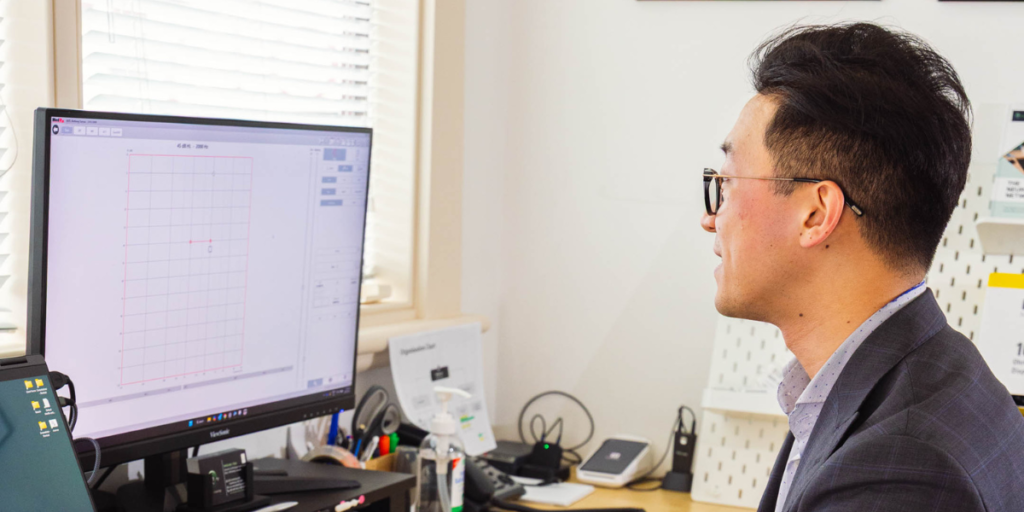
The biggest story in 2026 is that hearing aids are increasingly designed for real environments—not quiet clinics. The latest advances in hearing aids prioritise understanding speech in the presence of noise, movement, and multiple speakers. That matters if your day includes school drop-off, supermarket runs, social catch-ups, or even just chatting while the kitchen mixer is going.
Another major change is personalisation. Today’s latest hearing aid technology is less “one program for everyone” and more “settings tuned to your ears, your brain, and your routines.” When paired with strong hearing aid service, these improvements can make conversations feel easier and less draining.
From “Volume” to “Clarity” — The Big Shift
Older devices often amplified everything—speech and background noise together—so louder didn’t always mean clearer. In 2026, hearing aid technology increasingly focuses on preserving speech cues (especially consonants) while reducing the interference that masks them. That’s why people describe modern fittings as “less effort” rather than just “louder.”
This clarity-first approach is particularly useful in places like cafés, school halls, and busy kitchens where sound is complex. The latest advances in hearing aids aim to support speech understanding without making the world feel harsh or overwhelming, which is a key factor in all-day wear success.
Comfort, Discretion, and Lifestyle Fit
Comfort isn’t a “nice-to-have”—it’s the difference between wearing devices daily and leaving them in a drawer. Many high tech hearing aids in 2026 come in smaller designs with better venting options, improved feedback control (that annoying whistling), and more refined sound shaping. Even subtle fit improvements can reduce irritation over long days.
Lifestyle fit also includes ease of use. People want devices that work while they’re on the go, parenting, or baking—without fiddly controls. The latest hearing aid technology often includes smoother automatic adjustments plus simple app controls for when you do want to tweak things.
Smarter Sound in Noisy Places (Cafés, Classrooms, and Family Kitchens)
Noise is where hearing difficulties show up first—and where modern upgrades matter most. In 2026, much of the innovation in latest hearing aid technology centres on how well devices handle competing sound sources. The aim isn’t to eliminate noise entirely (that can feel unnatural), but to make speech stand out more reliably.
If you’ve ever felt fine one-on-one but lost in group chatter, this section is for you. The latest advances in hearing aids are increasingly about real-world “speech in noise” performance, supported by smarter microphones and refined processing.
Advanced Directional Microphones and Speech Focus
Directional microphones help devices prioritise sounds coming from a certain direction—often the person you’re facing. In 2026, this concept has become more adaptive: devices can switch patterns based on the environment and the way you’re moving through it. That’s a big deal in dynamic spaces like school pick-up lines or busy cafés.
For many wearers, this is the headline benefit of latest hearing aid technology: you still hear the room, but speech feels more “in front” and less buried. With the right fitting and coaching through hearing aid service, users often learn when to trust automatic modes and when to manually select a “speech focus” setting.
Noise Reduction That Feels Natural (Not “Underwater”)
Aggressive noise reduction can sometimes make sound feel dull or artificial. In 2026, hearing aid technology has improved in how it balances comfort and detail, aiming to reduce steady background noise (like fans or road noise) without stripping away the texture that makes speech and music feel natural.
This is especially helpful if you spend time in mixed sound environments—like talking while cooking, with ventilation running and utensils clattering. The latest advances in hearing aids try to lower the “noise floor” so you can follow speech without feeling like the world has been muffled.
Better Handling of Sudden Sounds and Echoey Rooms
Sudden sharp sounds—plates clinking, doors slamming, chairs scraping—can be uncomfortable, even for people with normal hearing. Many high tech hearing aids now do a better job of softening these bursts while keeping speech audible. That can make social outings less tiring and less startling.
Echoey spaces (community halls, tiled cafés, school gymnasiums) also create challenges because sound reflections smear speech. In 2026, latest hearing aid technology continues to refine processing to help speech remain clearer in reverberant spaces, especially when paired with practical seating choices and communication strategies.
Connectivity in 2026 — Streaming, Calls, and Hands-Free Ease
Connectivity has become a core expectation, not a bonus. People want their devices to handle phone calls, video chats, and media smoothly—especially if they’re following recipe videos, taking calls while running errands, or joining telehealth appointments. In 2026, hearing aid technology is increasingly built around stable, low-friction connection experiences.
That said, not all connectivity is equal. The best results often come from matching your phone ecosystem, your daily habits, and your comfort with apps—plus getting support from a provider offering strong hearing aid service.
More Stable Streaming for Calls and Media
Streaming is now central to many people’s daily routines. The latest hearing aid technology aims for fewer dropouts, easier pairing, and better audio quality in calls. When streaming works well, it can reduce misunderstandings and the need to put calls on speaker or crank the phone volume.
This can be surprisingly helpful for parents and home bakers: hands-free calls while prepping ingredients, clearer audio during school-related calls, and better access to podcasts or guided workouts. These real-life benefits are part of why high tech hearing aids are increasingly seen as everyday wearables rather than purely medical devices.
App Controls That Actually Help (Not Overwhelm)
Apps can be brilliant—when they’re simple. The 2026 trend is toward cleaner interfaces and more guided controls. Instead of confusing equaliser-style sliders, many apps offer straightforward environment choices (“restaurant,” “outdoors,” “car”) and small adjustments that are easier to understand.
A good clinic will integrate app training into hearing aid service, not treat it as an afterthought. That coaching matters, because the real value of latest advances in hearing aids often shows up after a week or two of learning how to use features confidently in your own routine.
Telecoil and Public Venue Compatibility (Where Available)
While streaming gets most of the attention, public hearing loops are still relevant in many venues (theatres, community spaces, some service counters). Some devices support telecoil features that can connect to these systems, potentially improving speech clarity in public settings.
This is a “bring it up and ask” topic. During a hearing aid service appointment, you can discuss whether your lifestyle includes looped venues and whether that should influence your device choice. It’s one more example of how hearing aid technology works best when matched to real life.
Personalisation and “Fit for You” Tuning (Because No Two Ears Are Alike)
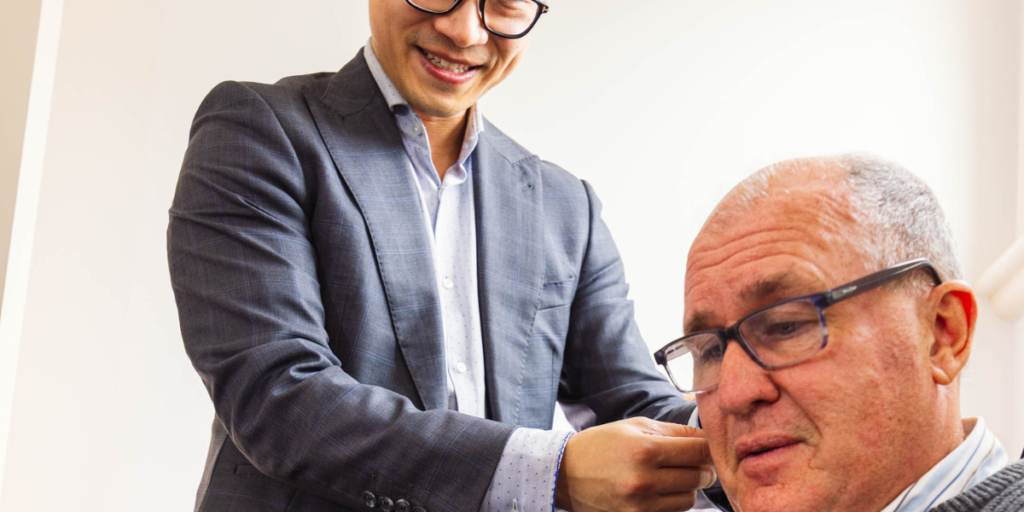
Two people can have the same hearing test result and still experience the world differently. That’s why personalisation is one of the most important themes of 2026. The latest hearing aid technology is powerful, but the way it’s fitted, verified, and adjusted determines whether it feels helpful—or frustrating.
Think of it like gluten-free baking: the ingredient list matters, but technique and testing are what make the texture right. Similarly, high tech hearing aids can only deliver their best when the fitting process is accurate and your feedback is taken seriously.
Real-Ear Measurements and Evidence-Based Fitting
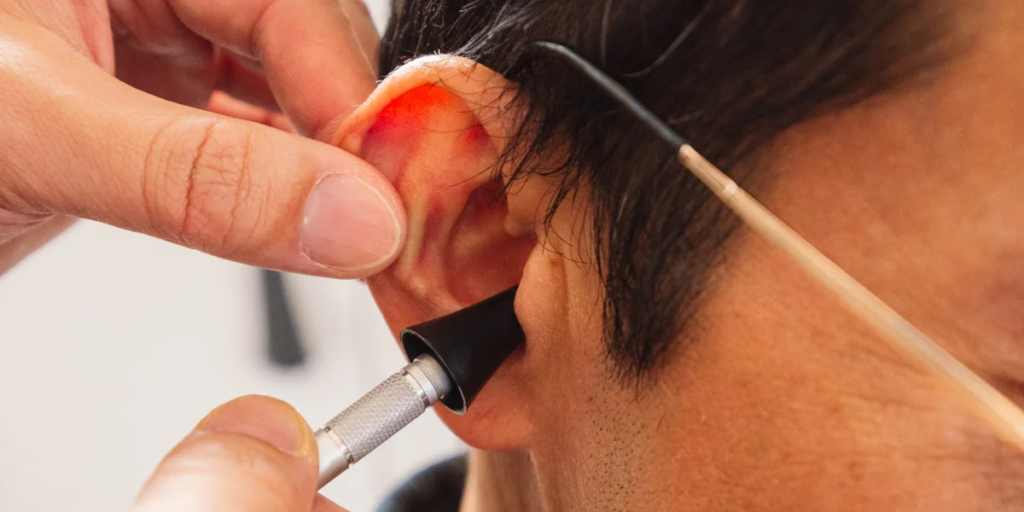
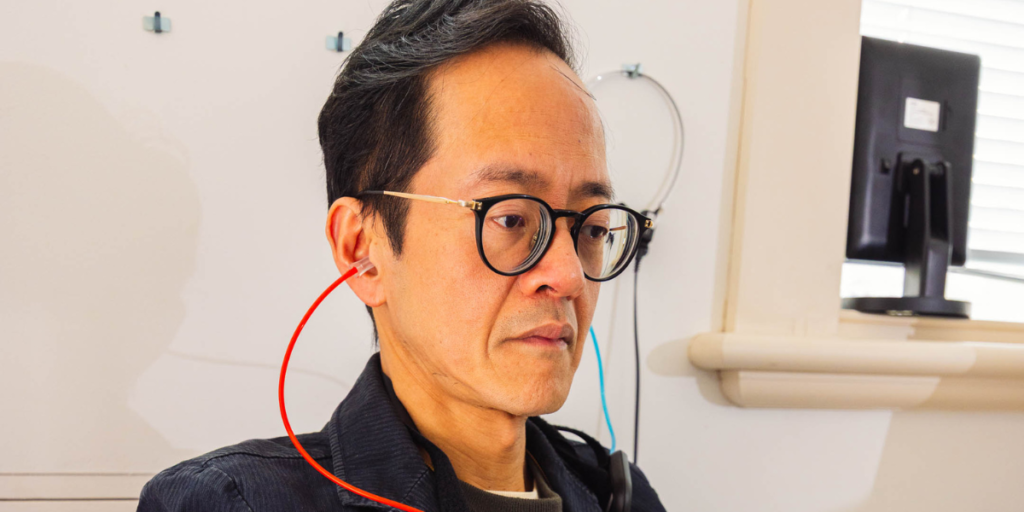
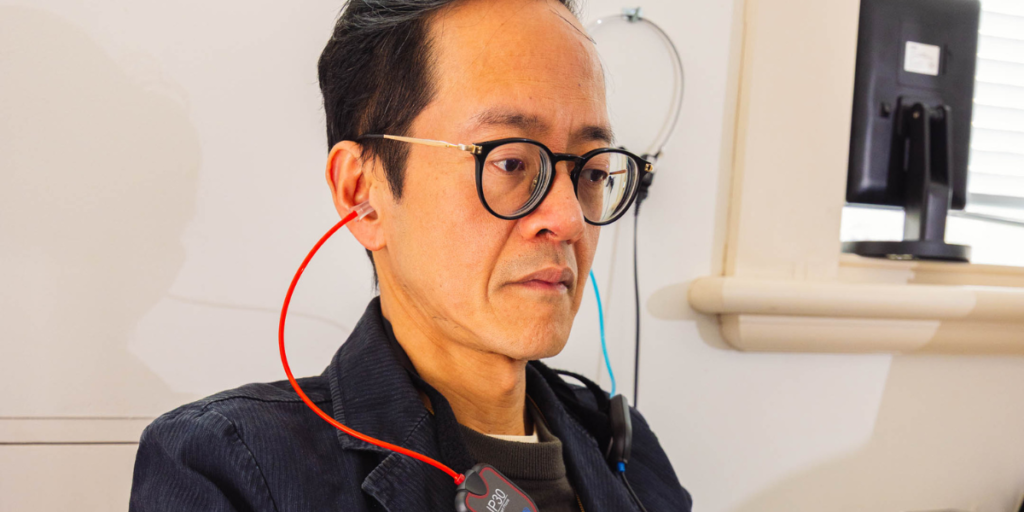
Real-ear measurement is a verification method that checks how much sound is actually delivered inside your ear canal. It helps ensure the device isn’t under-amplifying (leaving speech unclear) or over-amplifying (making sound uncomfortable). This is one of the most practical “quality checks” available in modern fittings.
When clinics use evidence-based fitting and verification, it’s a major sign of strong hearing aid service. It also helps unlock the promise of latest hearing aid technology, because advanced features rely on accurate baseline settings to work properly.
Lifestyle-Based Programming (Home, Work, Social, Outdoors)
Your life isn’t one environment. You might need different support for quiet reading at home, noisy cafés, playgrounds, or driving. Many high tech hearing aids allow multiple programs that can be tailored to common scenarios.
A good provider will ask detailed questions about where you struggle, not just what your audiogram shows. That’s where hearing aid service becomes part coaching, part troubleshooting—so the latest advances in hearing aids translate into actual improvements you feel.
Learning Your Preferences Over Time
Personalisation isn’t a one-and-done appointment. In the first few weeks, your brain is adjusting to restored sound information, and what felt “too sharp” on day one may feel normal by week three. Follow-ups help refine settings based on real-world experiences, not just clinic impressions.
This is also where you can fine-tune what matters most to you—speech comfort, music enjoyment, wind handling, or reducing fatigue. The best outcomes with latest hearing aid technology usually come from a process that includes listening, adjusting, and re-checking.
Rechargeable Power, Durability, and All-Day Reliability
Convenience is a major driver of satisfaction. If your devices are unreliable, annoying to charge, or fragile around everyday mess, you’re less likely to wear them consistently. In 2026, improvements in power systems and durability are making devices easier to live with—especially for busy parents and active households.
Reliability also matters because hearing support isn’t just about “hearing more”—it’s about being present for the moments that matter. For many wearers, the best latest hearing aid technology is simply the one that works every day without fuss.
Rechargeable Batteries and Smarter Charging
Rechargeable hearing aids have become increasingly common, and 2026 continues that trend with better battery life and more user-friendly charging designs. Some chargers support portable use (useful for weekends away), and many systems are designed to reduce the chance of incorrect placement.
Rechargeables can simplify routines—particularly for people who don’t want to handle tiny disposable batteries. When discussing high tech hearing aids, it’s worth asking how long the battery lasts in real use, especially if you stream calls or media frequently.
Water, Sweat, and Dust Resistance for Real Life
Devices don’t live in a vacuum—they live in humid bathrooms, hot cars, rainy school pick-ups, and kitchens where steam rises off pots. Modern designs often offer improved resistance to moisture and dust, reducing common failure points.
If you bake often, you’ll appreciate that fine particles (like flour) and humidity can be challenging for small electronics. Pairing durable hearing aid technology with simple cleaning habits (and good hearing aid service for maintenance) can help keep performance consistent.
Travel and Backup Plans
Even with great devices, life happens: you forget a charger, a filter clogs, or you get caught in unexpected rain. Building a simple backup plan reduces stress, especially for people who rely on hearing aids for work or family communication.
During a fitting, ask about travel chargers, drying kits, and what to do if sound suddenly changes. This kind of planning is a practical part of hearing aid service—and it helps you get the most out of latest hearing aid technology long-term.
Hearing Aid Accessories in 2026 That Make a Bigger Difference Than People Expect
Accessories can feel optional—until you try the right one in the right situation. Many of the hardest listening environments (restaurants, group gatherings, lectures) are improved dramatically not by changing the hearing aid itself, but by improving how speech reaches it. That’s exactly what well-chosen hearing aid accessories are designed to do.