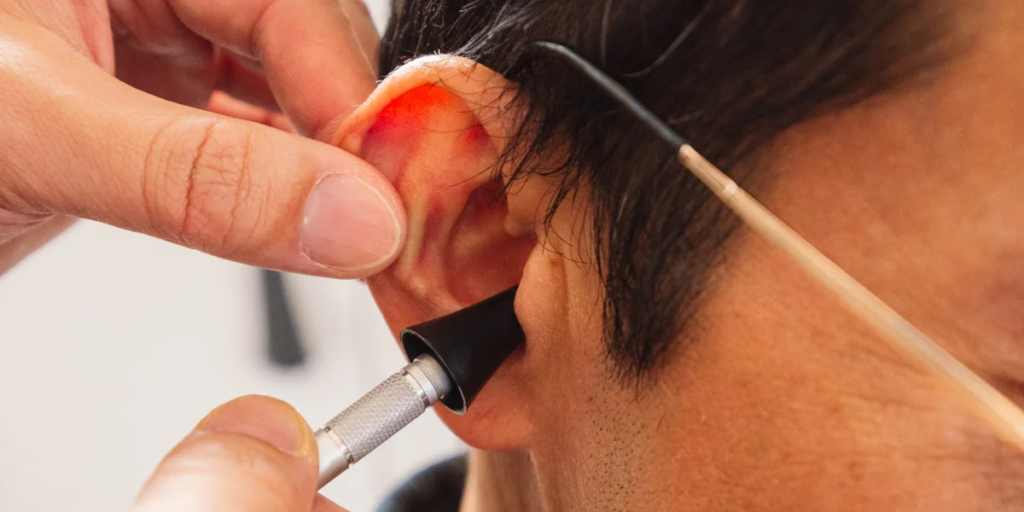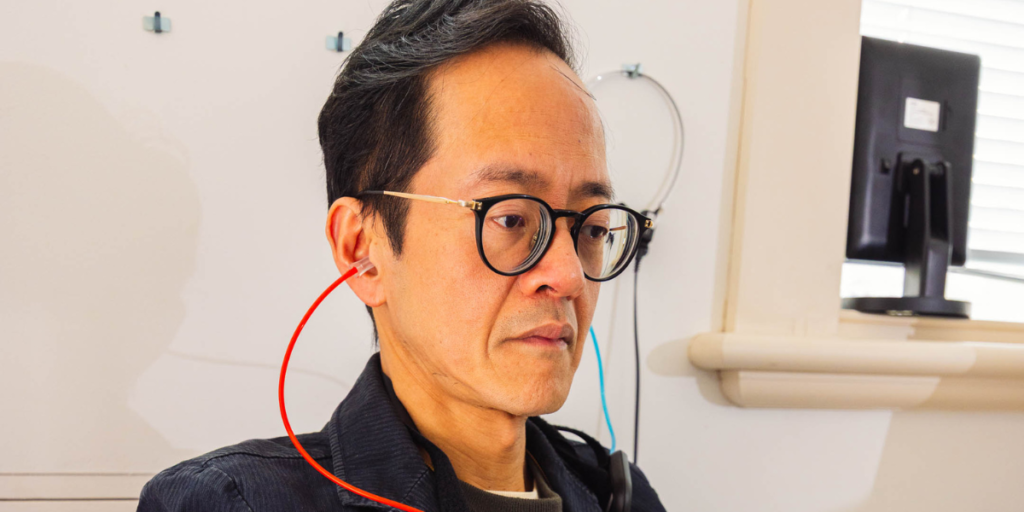
Hearing support has advanced significantly, with devices now tailored for adults and older adults navigating age-related changes, tinnitus, or speech clarity challenges. Modern hearing aids use sophisticated processing to deliver clear, comfortable sound that helps people reconnect with conversations and daily life. This comprehensive guide explains how hearing aids work, explores the main types of hearing aids, and outlines practical steps for selecting the best hearing aids for your needs. It is especially useful for readers in Victoria who are considering hearing aids Melbourne services, including government-subsidised support.
Understanding Hearing Loss and the Function of Hearing Aids
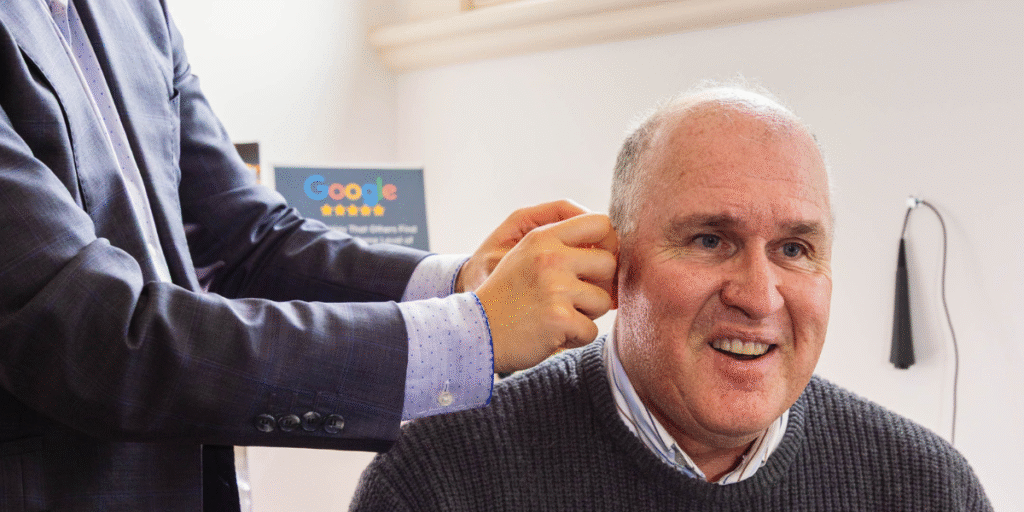
Hearing changes can stem from ageing, long-term noise exposure at work or leisure, or health conditions like diabetes, cardiovascular issues, and middle ear disorders. While hearing aids do not restore natural hearing, they boost clarity, reduce listening fatigue, and lift confidence in conversations. Personalised care from hearing aid providers supports accurate assessment and tailored hearing aid fitting, which contributes to lasting comfort and communication gains. A clear understanding of the underlying hearing profile guides the selection of the types of hearing aids that fit lifestyle and preferences.
Signs You Might Benefit from a Hearing Aid
If group discussions feel messy or you frequently miss key words, a discreet hearing solution can help. When the TV volume keeps creeping up or phone calls feel muffled, clarity features in hearing aids can be life-changing. Social withdrawal or avoiding noisy settings is another common sign. Residents seeking hearing aid support often report improvements after a professional review and trial of the best hearing aids suited to their needs.
How Hearing Aids Work
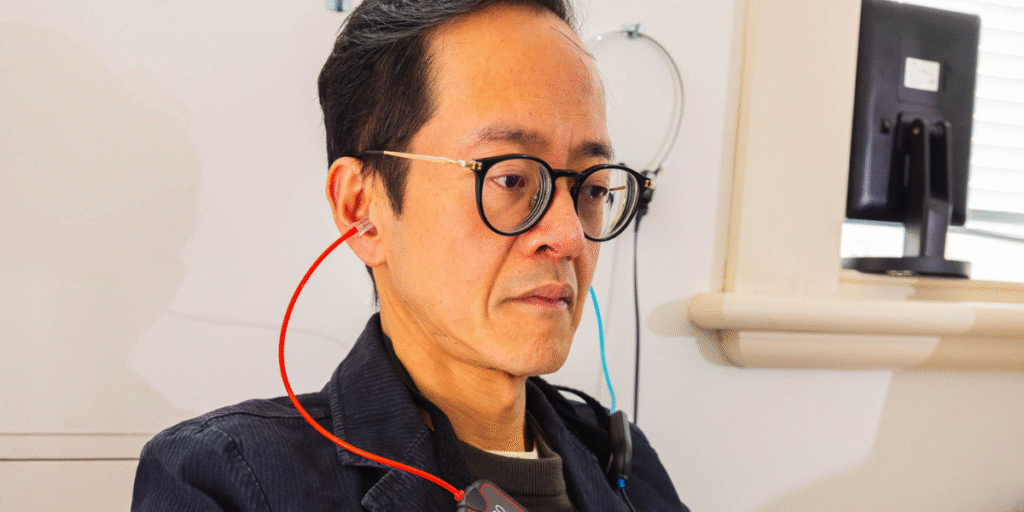
Today’s devices are tiny computers. They capture sound, convert it into digital code, then apply intelligent processing before delivering amplified signals matched to your hearing profile. Having a solid understanding of how hearing aids function allows you to effectively compare their features, particularly those that reduce background noise and enhance speech. Clinics offering digital hearing aids in Melbourne focus on fine-tuning settings for comfort in varied environments, from quiet lounges to bustling cafés. Comparing the types of hearing aids is easier once you see how digital processors analyse and shape sound for clear, natural listening.
The Key Components of a Hearing Aid
Every device includes a microphone, a processor, an amplifier, a receiver, and a power source. The microphone gathers acoustic input, while the processor turns it into a digital signal and applies speech enhancement and noise reduction. The amplifier boosts the signal based on your prescription before the receiver delivers it to your ear. Many modern models feature rechargeable hearing aid technology, removing the need to handle small batteries. Knowing how hearing aids work at this component level gives helpful context when comparing brands and styles offered by digital hearing aid providers.
The Different Types of Hearing Aids
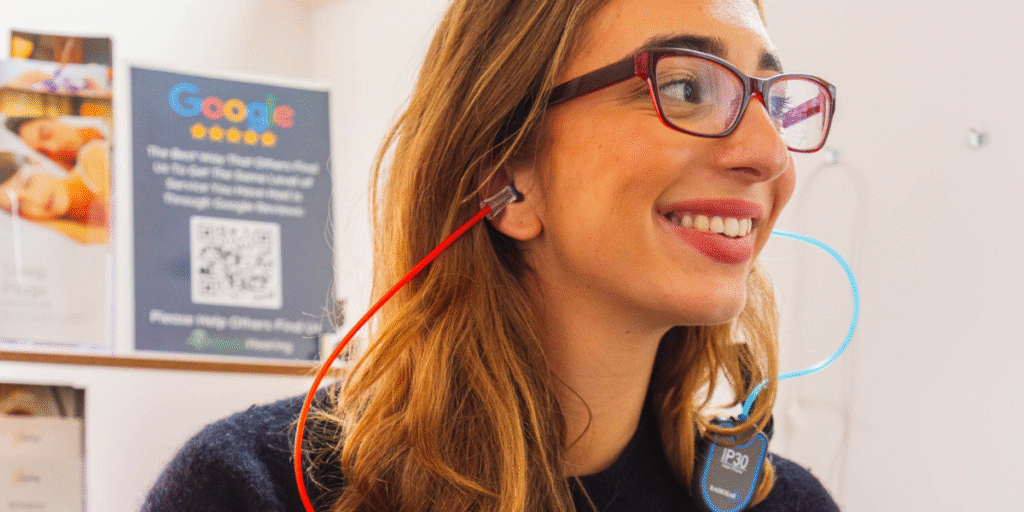
Each category offers a specific blend of comfort, visibility, and performance. Your hearing level, dexterity, ear anatomy, and lifestyle preferences will guide the final choice. A professional hearing aid fitting is essential for tailoring gain, settings, and physical fit. Reviewing the main types of hearing aids helps set expectations for daily use and long-term care. In consultations at hearing aid Melbourne clinics, you will typically trial a few options to decide what feels and sounds right.
Behind-The-Ear (BTE)
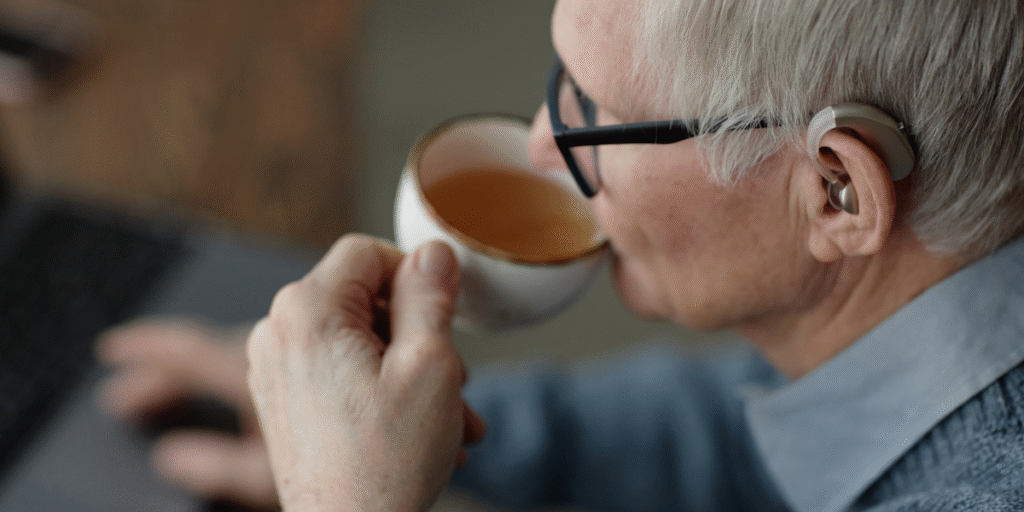
BTE devices sit snugly behind the ear, sending sound through a tube to a custom earpiece. This style is sturdy, easy to handle, and suits a wide range of hearing levels from mild to profound. Many users value the reliability and stability of behind-the-ear hearing aids, especially if dexterity or vision makes handling small parts tricky. In hearing aid settings, BTEs remain popular for balanced performance and maintenance simplicity, making them strong candidates among the best hearing aids for everyday use.
Receiver-In-Canal (RIC)
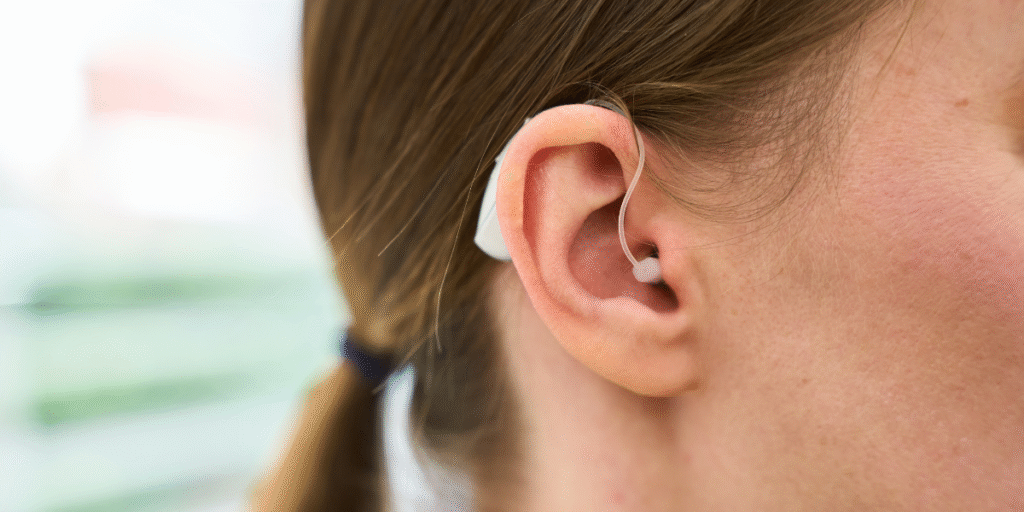
RIC devices resemble BTEs but place the receiver inside the ear canal, connected by a slender wire. This design often delivers crisp, detailed sound with a discreet profile. There are extensive types of hearing aids within the RIC family, many of which incorporate rechargeable hearing aid options with all-day battery life. For clients exploring digital hearing aids in Melbourne, RICs frequently rank among the best hearing aids for clarity, comfort, and streaming capabilities, especially for speech in varied environments.
In-The-Ear (ITE)

ITE models are custom-made to fill part or all of the outer ear bowl. The larger shell allows room for manual controls, advanced microphones, and robust wireless connectivity. This can be a practical choice for people who want tactile adjustments without a smartphone. For clients evaluating the types of hearing aids at a clinic, ITEs often feel stable and straightforward. Many hearing aid Melbourne clients rate ITEs as the best hearing aids for ease of handling and convenient in-ear controls.
In-The-Canal (ITC) and Completely-In-Canal (CIC)
ITC and CIC devices sit partially or fully in the ear canal for very discreet wear. Some models are near invisible, which is why many prefer invisible hearing aid options for cosmetic appeal. These compact forms can include fewer on-device controls and may use smaller batteries, although newer rechargeable hearing aids In-The-Canal styles are emerging. When reviewing the types of hearing aids, discuss the trade-offs between size and feature sets with your audiologist to select the best hearing aids for your priorities.
Specialised Devices for Specific Needs
Certain hearing profiles benefit from specialised solutions. Bone-anchored systems bypass the outer and middle ear for conductive or mixed loss, while cochlear implants support those who gain limited benefit from acoustic amplification. These pathways fall outside traditional types of hearing aids, yet a thorough evaluation clarifies suitability. In hearing aid clinics, referrals are routinely made for surgical options when appropriate, with clear information provided so clients can make informed choices about the best hearing aids or implantable alternatives.
Key Features of Modern Digital Hearing Aids

Contemporary devices are packed with features that support real-world listening and comfortable wear throughout the day. Clinics specialising in digital hearing aids in Melbourne often tailor these features to suit active routines, home listening, and work calls. Choosing the best hearing aids involves weighing clarity, connectivity, battery convenience, and controls. Reviewing feature sets across the types of hearing aids provides a clear map for shortlisting models to trial.
Rechargeable Batteries
A shift to rechargeable hearing aids has made daily use simpler, particularly for those who prefer a neat desk charger instead of fiddling with small batteries. Modern charging cases provide a full day of power after an overnight top-up, and some include quick-charge options for short bursts of use. Many digital hearing aid lines integrate app-based battery status so you can plan ahead. For many, this convenience contributes to consistent wear, which strengthens outcomes with the best hearing aids.
Bluetooth Connectivity
Wireless streaming allows direct audio from phones, tablets, and TVs. With compatible accessories and apps, you can fine-tune settings for meetings, music, or family chats. This technology illustrates how hearing aids work to personalise sound for daily life, improving clarity and reducing effort. Providers specialising in digital hearing aids typically offer demonstrations so you can compare streaming quality and microphone performance. Strong connectivity often sets apart the best hearing aids for work and study.
Noise Reduction & Directional Microphones
Microphone arrays and noise management help separate speech from background chatter. Directionality can target the person speaking, while adaptive noise tools cut down on unwanted sounds without dulling voices. These capabilities reflect how sophisticated hearing aids work that optimise clarity in busy settings. For clients at hearing aid clinics in Melbourne, directional performance often influences the selection of the best hearing aids for social occasions and dining out.
Choosing the Best Hearing Aid for You
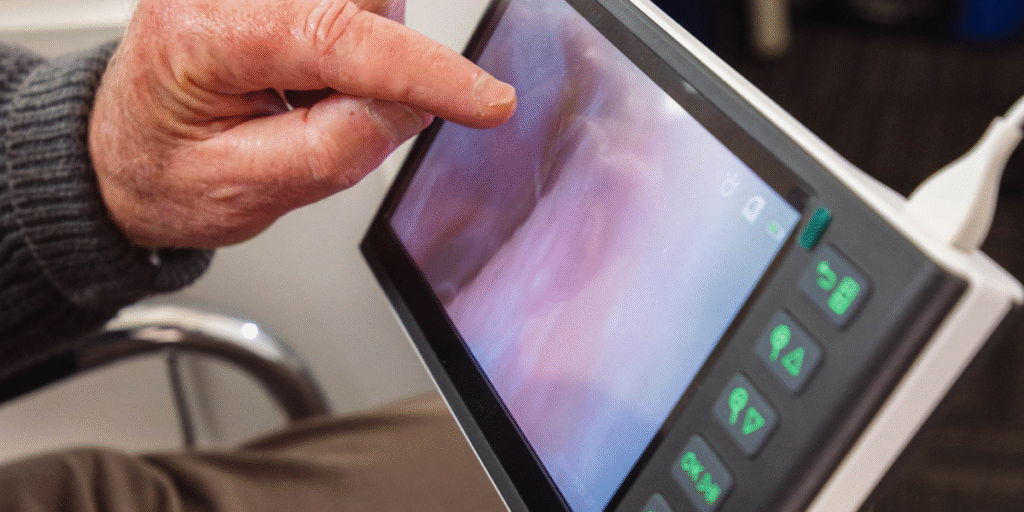
Selecting the right model involves matching hearing levels, ear anatomy, and dexterity with daily listening goals and budget. Start with a professional test and discussion of needs across home, work, and leisure. This review will narrow the types of hearing aids to a shortlist for trial. Experienced clinicians focus on hearing aid fitting and follow-up to unlock the full potential of the best hearing aids, a process well supported by hearing aid Melbourne services.
Professional Assessment and Local Support in Melbourne
A thorough evaluation identifies your hearing profile and practical needs, leading to precise device programming. Providers of hearing aids in Melbourne offer trials, follow-up care, and guidance on accessories and connectivity. Government-subsidised pathways may be available for eligible clients. A tailored hearing aid fitting aligns gain and comfort with your preferences, and many clients combine this assessment with a review of the types of hearing aids likely to fit daily routines and hearing goals.
Trial Periods and Adjustments
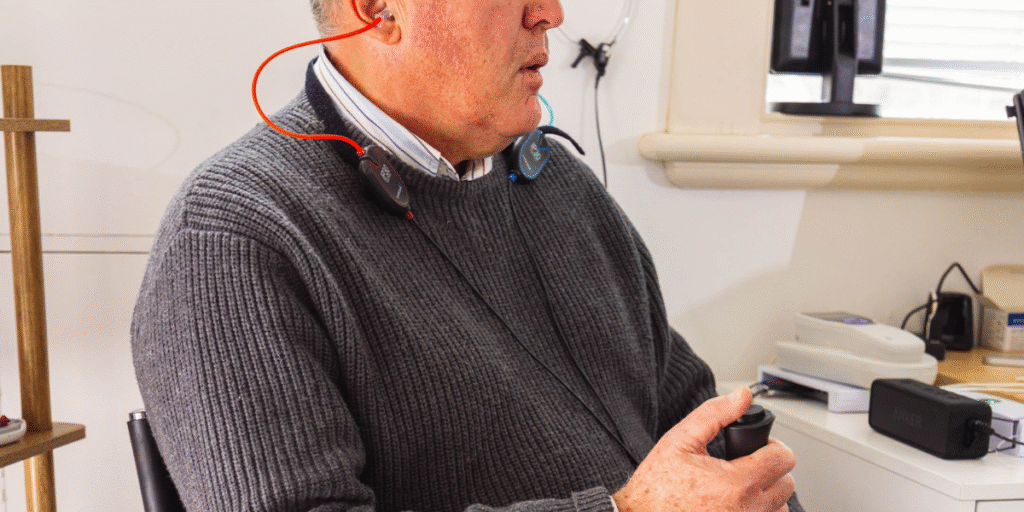
Real-world trials let you compare clarity, comfort, and ease of handling across different models. During this period, clinicians adjust programs and verify settings for speech in quiet and noise. Consistent follow-up refines performance so the best hearing aids meet expectations across varied conditions. A high-quality hearing aid fitting includes validation measurements and coaching on care. Melbourne trials often include options across the types of hearing aids, such as RIC and behind-the-ear hearing aids, to find the best match.
Living Well with Hearing Aids
Daily habits help maintain consistent sound quality and comfort. Build a simple care routine and wear your devices during waking hours to help your brain adapt. Many users find that clean microphones, dry storage, and consistent charging support steady performance. Establishing these routines with hearing aids sets you up for long-term benefit, especially with rechargeable hearing aids that need a nightly charge. Access to hearing aid Melbourne support services can help troubleshoot and fine-tune as life changes.
Support and Continued Care
Regular check-ups help keep devices performing at their best and allow programming tweaks as hearing and needs evolve. Scheduled servicing includes cleaning ports, replacing worn parts, and software updates on digital hearing aid devices. Coaching on accessories and better communication strategies complements technology. Ongoing care often revisits the types of hearing aids landscape when life changes prompt upgrades, and clinics integrate hearing aid fitting updates to keep the best hearing aids performing well.
NeuroHearing Commitment to Better Hearing

We at NeuroHearing provide comprehensive assessments, counselling, and device selection tailored to individual goals. Clients seeking hearing aids in Melbourne can explore leading digital hearing aid options, including discreet canal styles and behind-the-ear hearing aids. A personalised hearing aid fitting maps your unique prescription to daily listening, with practical coaching for real-world confidence. Whether you prefer low-profile invisible hearing aids or long-wear rechargeable hearing aids, we’re dedicated to clarity, comfort, and ongoing support to guide you in choosing the ideal hearing aids that suit your lifestyle.
Conclusion
Understanding how hearing aids work gives you a clear path to compare the types of hearing aids available and match features to your needs. With a professional assessment, a careful hearing aid fitting, and real-world trials, you can identify the best hearing aids for daily comfort and speech clarity. Residents exploring hearing aid services in Melbourne can access technology that supports phone calls, streaming, and social life, with many digital hearing aids Melbourne models offering reliable rechargeable hearing aids for simple daily use. Thoughtful selection supports long-term communication, confidence, and connection.
Book your comprehensive hearing assessment and tailored hearing aid fitting with NeuroHearing today to start hearing clearly and confidently. Call our team or submit an enquiry on our website now to lock in your appointment and discuss subsidy eligibility.
Common Questions About Hearing Aids
What Type of Hearing Aid Is Most Effective?
- There is no single model that suits everyone, because hearing levels and lifestyle goals vary. We start by matching your hearing levels, lifestyle, and dexterity, then trial a few options to find what sounds and feels best. In our experience, RICs and behind-the-ear models suit many clients for versatility and clear speech across varied settings.
How Do I Know What Kind of Hearing Aid I Need?
- A comprehensive test and consultation will map your hearing profile and practical needs at home, work, and socially. We run a full hearing test, discuss daily listening needs, and explain the styles that suit your ears and goals. After a tailored fitting and supervised trial, we refine settings so you leave with the right solution.
Which Hearing Aid Is Better: Analogue or Digital?
- Digital processing offers adaptive sound management, speech enhancement, and wireless connectivity. We fit digital devices because they offer adaptive sound, clearer speech, Bluetooth connectivity, and reliable recharge options. Analogue models lack these controls, so digital delivers the best everyday results for most clients.