

A hearing test can feel a bit mysterious if you’ve never had one—or if the last time you did it was years ago at school. Most people assume it’s just “press a button when you hear a beep,” but a truly comprehensive hearing test is much more than that. It’s a structured, evidence-based way to understand how your ears are working, how your brain is processing sound, and what support (if any) would make everyday life easier.
If you’re someone who values transparency—whether that’s reading food labels, checking ingredient lists, or choosing brands that prove what they claim—you’ll probably appreciate the same clarity in healthcare. Let’s walk through the full process, step by step, so you know exactly what happens at a hearing test appointment, what the results mean, and what comes next.
When to book a hearing test?
Not everyone notices hearing changes in a big, dramatic way. For many of us, it’s subtle: you start “guessing” what people said, nodding along, or avoiding noisy places because conversation feels like hard work. A timely hearing test helps you separate normal day-to-day listening challenges from signs that your hearing system needs support.
The earlier you check in, the more options you typically have—whether that’s monitoring, preventing further change, or improving clarity now. If you’re considering a hearing test in Melbourne, it can be helpful to book before things feel urgent so the appointment is calm and proactive rather than rushed.
Common signs that a hearing test could be worthwhile include:
Mishearing similar-sounding words
Feeling tired or irritable after conversations because you’re concentrating so hard
If you recognise yourself here, a hearing test appointment can give you clear answers—and usually some immediate practical tips.
Tinnitus and sound sensitivity
Tinnitus (ringing, buzzing, humming, clicking, or whooshing sounds) is incredibly common, and it doesn’t always mean something serious. Still, it’s a good reason to arrange a tinnitus hearing test, because tinnitus is often linked with hearing changes—even mild ones you may not notice yet.
Extra considerations for older adults
For older adults, hearing changes can affect much more than conversation. Hearing can influence safety (alarms, traffic), confidence, and social connection. A hearing test for elderly family members can be especially valuable if they’ve started withdrawing from gatherings or seem unusually fatigued after social events.
A good hearing test specialist will often encourage a partner, adult child, or carer to join part of the appointment (with permission). That extra support can help with remembering results, discussing goals, and making follow-up easier.
How to prepare for your hearing test appointment

The best preparation is simple: show up with a few notes and an open mind. You don’t need to “study” for a hearing test appointment—but a little planning helps the clinician tailor the comprehensive hearing test to your real life.
If you’re a parent juggling school runs, or you’re the person who keeps the household running, preparing well also means less stress on the day. Think of it like setting yourself up for a smooth, no-surprises visit.
What to bring (and what to remember)
Bring anything that helps paint a clear picture of your hearing history. Even if you don’t have past test results, a quick summary of symptoms can be just as useful.
Helpful items to bring to a hearing test appointment include:
- A list of current medications (or a photo of the labels)
- Any previous hearing results or ENT reports, if available
- Notes on when symptoms started (gradual vs sudden)
- A short list of “hard listening” situations (work meetings, cafés, phone calls)
If you’re booking a hearing test in Melbourne and you’re travelling in, allow time for traffic and parking so you arrive feeling settled.
Questions worth writing down in advance
It’s easy to forget your questions once you’re in the chair and focused on the tests. Jot a few down on your phone—especially if you’re worried about tinnitus, dizziness, or one ear feeling “blocked.”
Useful questions for your hearing test specialist might include:
- What does a comprehensive hearing test include at your clinic?
- Are my results likely to change over time, and how often should I retest?
- If I have tinnitus, what can we do next after a tinnitus hearing test?
- If treatment is recommended, what are my options and timelines?
Step-by-step: what happens during a comprehensive hearing test
A comprehensive hearing test is designed to answer more than “Can you hear beeps?” It looks at the whole hearing pathway: ear health, sound detection, and speech understanding. Most appointments are straightforward and non-invasive, and the tests are generally painless.
Knowing the steps ahead of time makes the visit feel less clinical and more like a collaborative check-in—especially when you’re working with an experienced hearing test specialist.
Case history and lifestyle chat
Most hearing test sessions begin with conversation. The clinician will ask about your general health, noise exposure, family history, work environment, and the situations where hearing feels hardest. If tinnitus is present, they’ll ask about the sound quality, timing, and triggers.
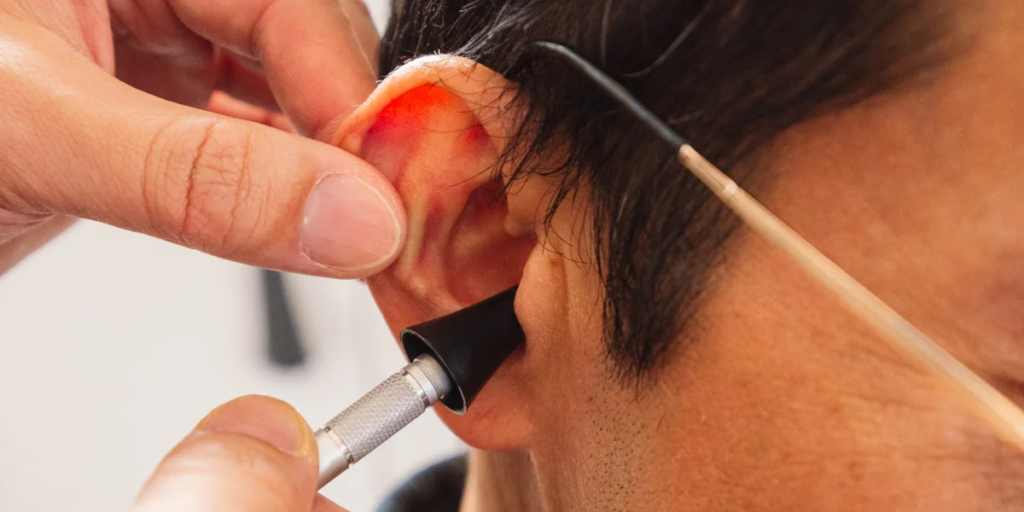
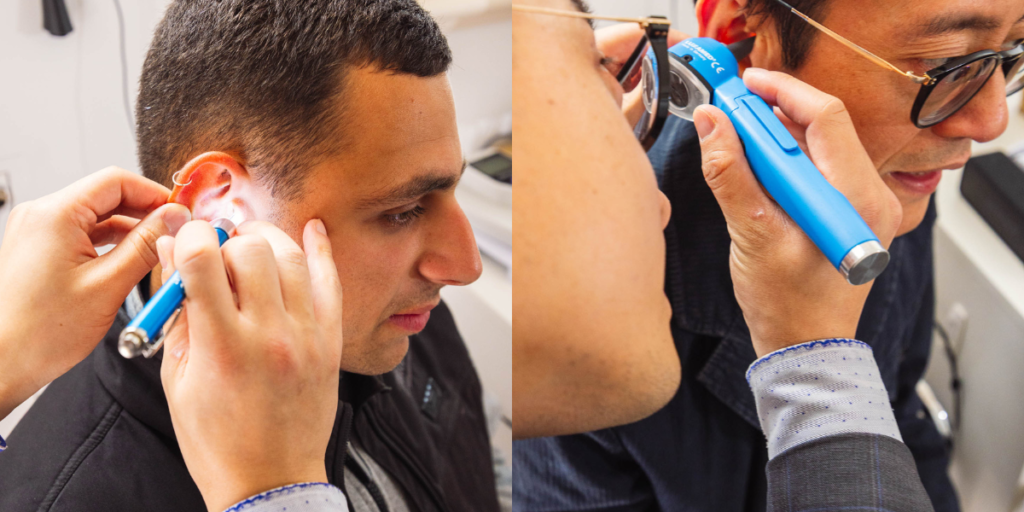
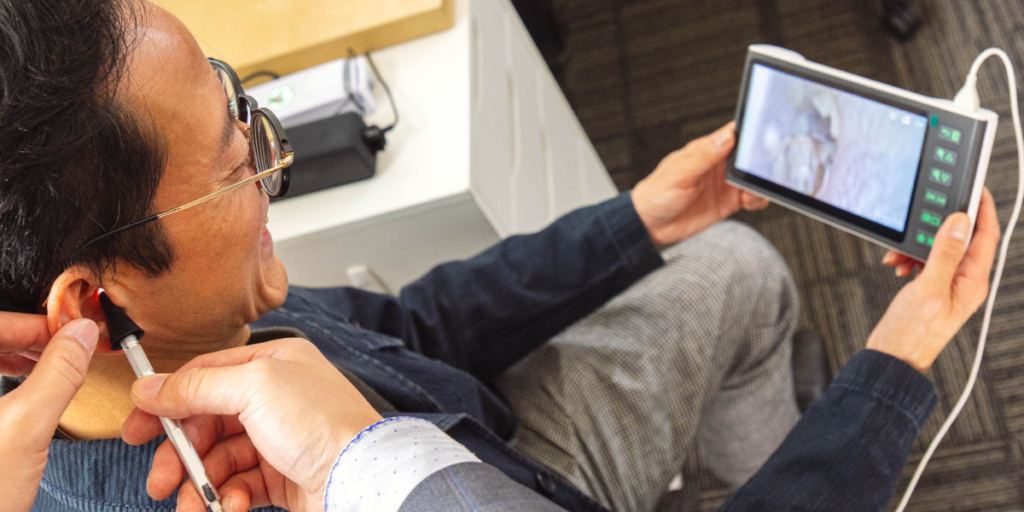
Ear health check (otoscopy)
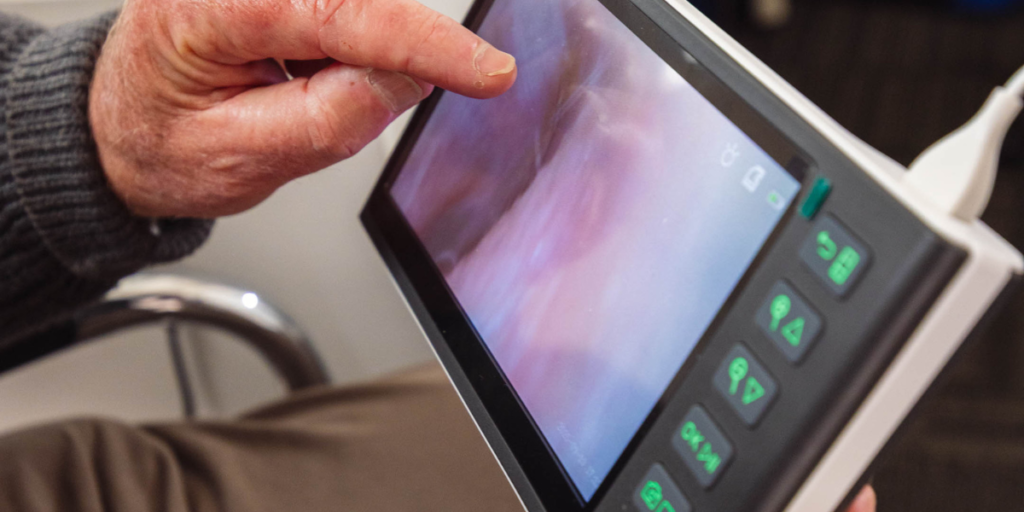
Next, the clinician usually checks the ear canal and eardrum using a small lighted instrument. This helps identify issues that can affect results, such as wax blockage, irritation, or signs of infection.
Middle-ear testing
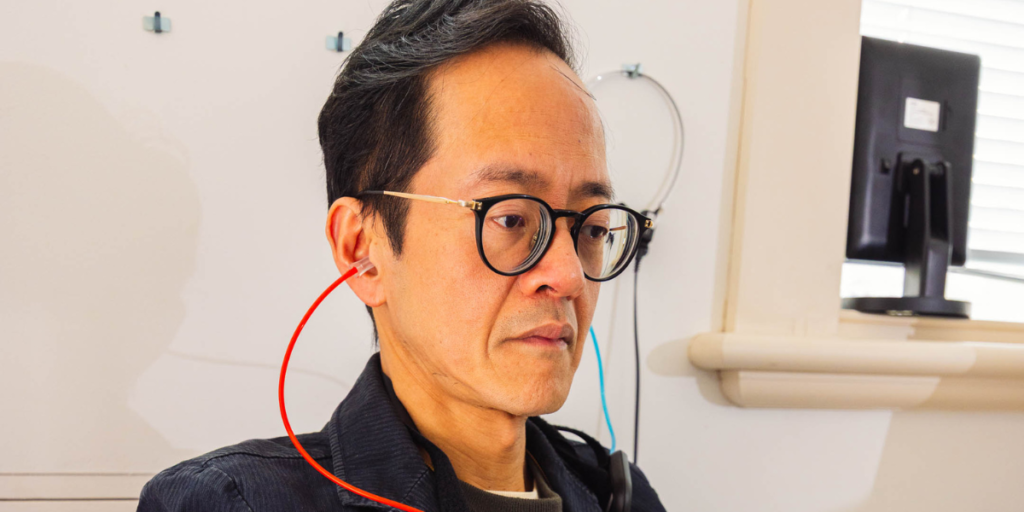
A key part of a comprehensive hearing test is checking how your eardrum and middle ear are moving. This often involves a test that changes air pressure slightly in the ear while measuring eardrum function.
This matters because middle-ear issues can mimic hearing loss. For example, fluid behind the eardrum or pressure problems after a cold can temporarily reduce hearing clarity. Middle-ear checks help your hearing test specialist separate temporary conductive issues from longer-term changes.
Pure-tone audiometry
This is the part most people expect: you wear headphones and respond when you hear tones at different pitches and volumes. The clinician charts the quietest sounds you can detect, creating an audiogram.
Pure-tone testing is a core hearing test, but it’s still only one piece. Some people have “okay” tone detection but struggle in real-world listening. That’s why a comprehensive hearing test typically includes speech-based measures too.
Speech testing
Speech testing assesses how well you understand words, not just whether you can detect sound. This can include listening to single words, sentences, or speech in background noise.
This is often the most relatable part of the hearing test appointment because it mirrors daily life: cafés, family dinners, school events, and busy workplaces. A skilled hearing test specialist uses these results to recommend practical strategies—sometimes even before discussing devices.
Understanding your results
A good clinic won’t just hand you a chart and send you off. Your results should be explained in plain language, connected back to your symptoms, and framed around next steps. The point of a hearing test is clarity—so you can make decisions with confidence.
Types and degrees of hearing loss explained simply
Hearing changes are often described by type (where the issue occurs) and degree (how strong it is). Your clinician may discuss:
- Conductive hearing loss (outer/middle ear contribution)
- Sensorineural hearing loss (inner ear/auditory nerve pathway)
- Mixed hearing loss (a combination)
The degree—mild, moderate, severe—helps guide the urgency and the likely benefit of solutions. For a hearing test for elderly patients, the conversation often includes how hearing affects independence, safety, and social connection.
When referrals or extra testing may be recommended
Sometimes results suggest you should see a GP or ENT specialist, especially if there’s a sudden change, significant one-sided difference, pain, or dizziness. That’s not meant to alarm you; it’s about being thorough.
After a hearing test appointment, referrals can be part of an organised plan. A quality hearing test specialist will explain why a referral is recommended and what questions it aims to answer.
What happens after the hearing test: next steps and treatment options
Most people leave a hearing test appointment wanting to know one thing: “What do I do now?” The answer depends on your results, your goals, and what’s impacting your life most—speech clarity, tinnitus, or hearing fatigue.
The good news is that hearing care is rarely one-size-fits-all. After a comprehensive hearing test, the next step can be as simple as monitoring, or as active as trialling hearing support.
Monitoring and prevention
If your hearing is within normal ranges or just slightly reduced, your clinician may recommend monitoring. That might mean repeating a hearing test in 6–12 months, especially if you’re in a noisy workplace or have tinnitus.
Prevention strategies can also make a real difference, such as using hearing protection in loud environments and managing safe listening levels with earbuds. This is especially relevant if you’ve booked a hearing test in Melbourne because you’ve noticed changes but want a conservative approach first.
Hearing aids and assistive listening options
If hearing aids are recommended, the focus should be on your goals—phone calls, work meetings, hearing your kids clearly, or enjoying social outings again. Modern devices can be discreet and highly adjustable, and many include features that help in noisy places.
A good hearing test specialist will explain options plainly, including:
- How trials work and what “adjustments” usually involve
- What to expect in the first few weeks (your brain needs time to adapt)
- How follow-ups build comfort and better sound quality
Hearing aids aren’t the only option either. Assistive listening devices, TV streamers, and communication strategies can be part of your plan after a comprehensive hearing test.
Auditory Training: Helping You Adjust to Hearing Aids Faster
Even if you’re using the right hearing aids, it’s completely normal for sounds to feel a little “weird” at first. That’s because hearing isn’t solely about your ears, it’s also about how your brain understands sounds, particularly in loud places.
At NeuroHearing, we can include Auditory Training as part of your plan when it’s appropriate. We’re one of the few clinics in Melbourne that offers it, and it can help you get comfortable with your hearing aids quicker and make the most of them — particularly for conversations in cafés, group chats, and family life.
If hearing aids are recommended, we’ll let you know whether Auditory Training is right for you and support you alongside your fittings and follow-up appointments.
Support strategies for tinnitus
If tinnitus is part of your results, management often focuses on reducing how intrusive it feels. After a tinnitus hearing test, support can include education, sound enrichment, and strategies to improve sleep and stress regulation.
For many people, the biggest relief is understanding tinnitus and having a plan—rather than feeling stuck. If hearing loss is also present, hearing support can sometimes reduce tinnitus prominence by improving access to external sound.
Family-focused communication tips
Hearing challenges affect the whole household, especially when routines are busy and everyone’s talking at once. Small adjustments can make a big difference—often immediately, even before any devices are considered.
Try practical changes like:
- Get face-to-face before sharing key details
- Reduce background noise during important conversations
- Speak clearly (not louder), and pause between ideas
- Confirm plans in writing (texts can be a lifesaver)
For a hearing test for elderly family member, these strategies can reduce frustration on both sides and keep social connection strong.
What does the hearing test appointment include, and how long does it take?
- Will speech-in-noise testing be part of the comprehensive hearing test?
- If I have ringing, can you include a tinnitus hearing test component?
- Who will interpret my results—a qualified hearing test specialist?
These questions also help you compare services if you’re weighing a few options for a hearing test in Melbourne.
Considerations for elderly patients and carers
For older adults, comfort and pacing matter. A hearing test for elderly patients should allow time to process instructions, ask questions, and discuss real-life communication goals.
If you’re supporting someone else, ask whether you can attend the explanation portion of the hearing test appointment. A good clinic will also consider mobility, accessibility, and the value of clear written takeaways.
Conclusion
A comprehensive hearing test is one of the most straightforward ways to get clear, reliable answers about your hearing and communication. From the initial chat to ear health checks, tone testing, speech measures, and tinnitus support, each step helps build a full picture—so your plan is based on evidence, not guesswork.
If you’ve been thinking about booking a hearing test, noticing ringing, or supporting a loved one who may need a hearing test for elderly care, a well-run hearing test appointment can be genuinely reassuring. And if you’re searching for a hearing test in Melbourne, choose a clinic that prioritises transparency, comfort, and practical guidance from a qualified hearing test specialist—so you can move forward with confidence.