
Have you ever felt yourself nodding in a conversation and pretending to know what somebody has just explained? Or maybe you have heard your family members saying that the TV is too loud?
The apparently small instances may be informing you of something big regarding your hearing health.
Hearing loss is considered “the invisible condition” because it progresses so slowly that many may not notice that it is happening.
The signs of hearing loss do not happen in a flash, like a sprain or a disease, but gradually get added to your daily experiences, one missed word, one misinterpreted sentence at a time. Most individuals have been living for years with the hearing loss symptoms before they realise that they have a problem.
The good news? The ability to identify the danger signs early and consult a professional can prevent everything. Let’s explore the subtle indicators that shouldn’t be ignored.
What Is Hearing Loss?

The hearing loss occurs when any element of your auditory system, between your outer ear and inner ear and the auditory nerve, is harmed or not functioning effectively. It may vary between a mild hearing loss, which makes some of the sounds more difficult to distinguish, and severe deafness.
➜ Gradual vs. Sudden Hearing Loss: The majority of the hearing loss occurs gradually over months or years, either as a result of old age (presbycusis) or due to long-term noise exposure. Sudden hearing loss, on the contrary, may happen in hours or days, and it is necessary to seek medical attention. The gradual type is the type of blog that is being discussed here, and it takes up the majority of cases.
Understanding of the early symptoms is important since hearing loss can be handled earlier when it is detected. The use of modern hearing solutions, such as sophisticated hearing aids and an auditory training program, is most effective when done before a person suffers a significant decline. It is also essential to perform early intervention to maintain the capacity of your brain to process sound well.
The 10 Early Signs of Hearing Loss
1. Frequently Asking for Repetition

Constant requests for repetition from the people are one of the most frequent early signs. If, “What did you say?” or “Can you say that again?” are now your catchphrases, it is time to take notice.
Although we all, at one time or another, may not perceive something, it would be a good idea to have people repeat it to you a couple of times, especially when you are in a relatively quiet atmosphere, which would indicate that your ears are not picking up as much as they should.
2. Difficulty Following Conversations in Noise
Do you have trouble hearing background noise? You might be perfectly able to hear your dining companion at home, but in the noisy restaurant, you might be completely off course in following the same conversation.
Such behaviour is one of the characteristic mild hearing loss signs. Your auditory system is designed to filter background noise and focus on speech, but when hearing loss develops, this ability diminishes significantly.
3. Increasing TV or Phone Volume
Have other family members or roommates complained that your TV was too loud? Do you tend to increase the volume of your phone when making calls? It is a strong indication that the level of your hearing sensitivity has changed when other people can easily hear when you cannot. This tendency is especially conspicuous with dialogue in films and television programmes, where you may miss something very important or a plot point.
4. Muffled Sounds or Voices

Another diagnostic symptom is muffled hearing. Individuals living with hearing loss at an early age usually describe their voices and sounds as vague, muffled, or as though they are hearing through a wall or the water.
It may look like people are speaking with more mumbling than they had before, but the fact is that your ears are no longer rendering the complete palette of speech sounds, especially consonants, which make words sound clear.
5. Struggling with High-Pitched Sounds
The beeps of appliances, children chirping, or birds are some of the first sounds that are challenging to hear. The voices of women and children are generally at a higher frequency than the voices of men.
You may find that you understand your male coworkers better than your female coworkers. This phenomenon is because age-related and noise-induced hearing loss usually damages high frequencies at the outset.
6. Tinnitus (Ringing in the Ears)
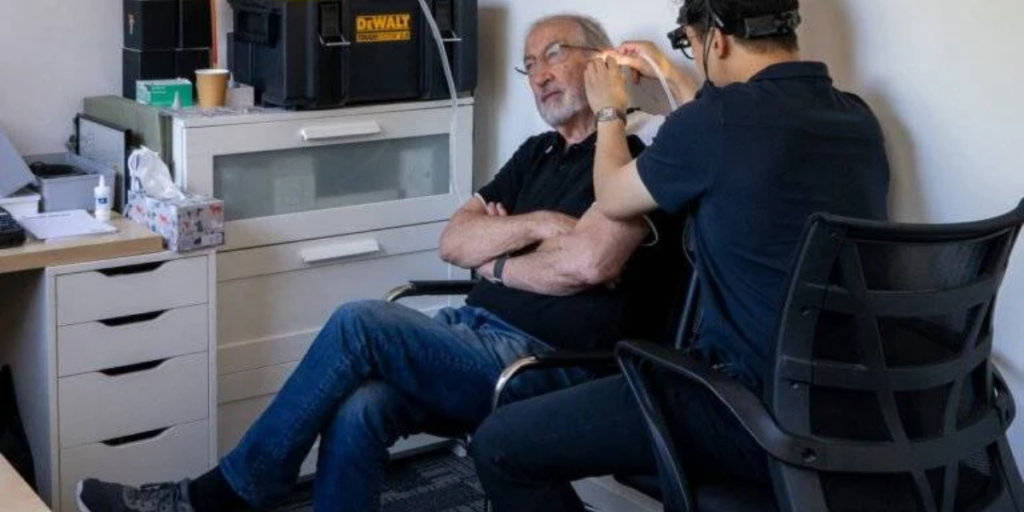
Tinnitus ringing in ears, is experienced by many people with hearing loss. This phantom sound can be either ringing, buzzing, hissing or humming; this sound is the sound your brain is attempting to make up for the absent sound. Many factors can cause tinnitus, but chronic tinnitus often co-occurs with hearing impairment, requiring a comprehensive hearing test.
7. Mental Fatigue or Exhaustion
Listening fatigue mental exhaustion are lesser-known but significant signs of hearing loss. When your brain is overworked, it becomes tiresome to fill in the gaps and make sense of the partial sound information you receive.
Individuals who experience hearing loss of unexplored causes complain of feeling exhausted after social functions, work conferences or even just one-on-one conversations. This mental load is possible since your mind is always struggling with trying to figure out what you are listening to.
8. Avoiding Social Situations
Once communication is difficult and tiresome, then it is natural to begin to avoid social situations. You may turn down dinner invitations, miss family gatherings, or skip group activities that you previously enjoyed.
This social loneliness may result in loneliness, depression and additional cognitive deterioration, forming a vicious circle that affects your life overall.
9. Relying on Visual Cues
Have you felt that you are paying more attention to the lips of people when they talk? Or to know a person, must you see his face? The overuse of visual factors, such as reading lips, facial expressions, body language, etc., is often a sign that your auditory system does not supply you with everything you need. Although visual cues are useful to all individuals, overreliance on them would be an indication of hearing impairment.
10. Missing Everyday Sounds
Missing everyday sounds like the doorbell, phone notifications, water running, or turn signals clicking in your car can be an early warning sign.
These audible environmental signals are critical for information and safety. Once you start noticing that you begin to miss them regularly, it signifies your hearing sensitivity has deteriorated at different frequencies in addition to different situations.
Why Early Treatment Makes a Difference
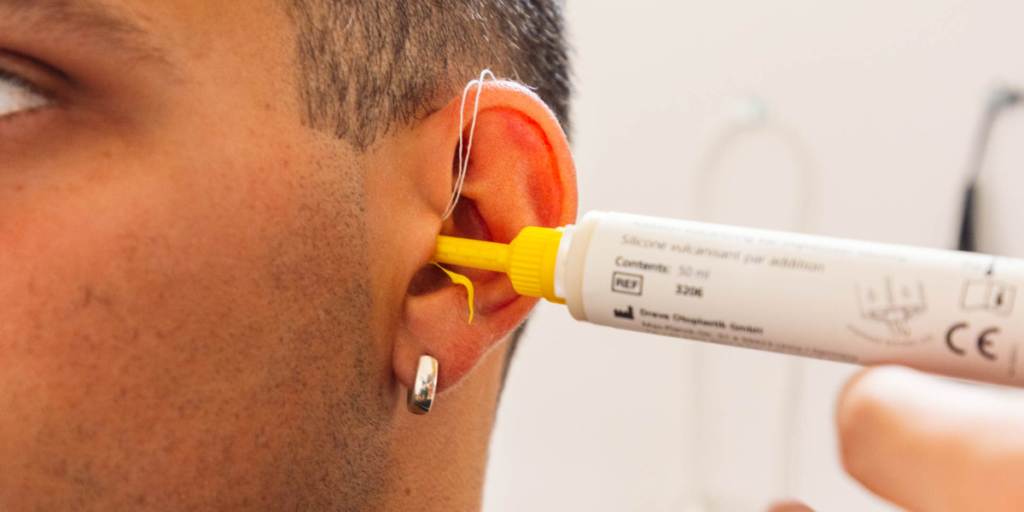
Early treatment of hearing loss is not only about hearing better but also about maintaining your health and quality of life in general.
- Quality of Life: When you can engage in conversations fully, enjoy music and entertainment, and even interact without doubt with your surroundings, your quality of life continues to improve immensely. You will find the pleasure of communication without difficulties and the enjoyment of sounds that you were lacking.
- Cognitive Health: It has been demonstrated consistently that untreated hearing loss speeds up cognitive deterioration and enhances dementia risk. Regular auditory stimulation of the brain is necessary to keep it working. Any kind of intervention early in life (hearing aids, etc.) allows your brain to remain active and healthy.
- Relationships and Communication: Hearing loss does not only concern you but also all other people around you. Miscommunications may provide frustration, communication problems and emotional distancing. By taking care of your hearing loss, you save your relationships with people close to you and keep them in touch.
Why Choose NeuroHearing for Early Treatment

At NeuroHearing, we know hearing loss is not just an ear thing; it is a neurological condition, one that influences the processing of sound by the brain. It is the reason why we do not merely amplify sound.
The full audit procedure helps us understand both what you are missing and how your brain is handling the sounds that you actually hear.
We are aware that two individuals with the same audiograms may experience quite different hearing due to the difference in the processing of the auditory information they have.
The NeuroHearing Auditory Training Program is specially aimed at retraining your brain to process sound in a more effective way. Although hearing aids are used to help you hear better, an auditory training program will assist your brain to make better sense of the sounds you hear.
A combination method provides better results than amplification. Specific exercises and special training, with which you can improve the deaf ear, allow you to restore the processing functions that have been lost, thus simplifying communication and making it natural.
Conclusion
In case you have noticed any of the signs of hearing loss mentioned above, then do not wait. Deafness won’t fix itself, and the longer you wait, the less your brain will adapt to treatment.
The initial procedure is straightforward, as follows: book a full hearing test. This painless test will provide you with a clear understanding of your hearing condition and the opportunities that you have.
Weichen Yan, the leader of our experienced team, is ready to provide you with a comprehensive evaluation and personalised advice at NeuroHearing.
We will take time to understand your assessment of individual hearing problems, life requirements, and objectives to develop a personalised treatment plan. Contact us today to schedule your comprehensive hearing test.