Earwax is one of those body “systems” we usually don’t think about—until it becomes uncomfortable or starts affecting what we can hear. A little wax is normal and helpful, but a build-up can cause blocked ears, ringing, irritation, or sudden muffled hearing. This guide explains when at-home care is reasonable, when you should seek professional help, what happens in-clinic, and how to tell wax issues apart from hearing loss conditions. If you’re in Victoria and searching for earwax removal melbourne, we’ll also cover what to look for in a provider and how to choose safely.
What earwax is (and why it sometimes becomes a problem)
Earwax (cerumen) is a natural substance produced by glands in the ear canal. It’s designed to protect the ear: it traps dust, helps prevent infection, and keeps the canal from drying out. Problems typically occur when wax doesn’t migrate out naturally and instead builds up and hardens.
A build-up doesn’t mean your ears are “dirty”. In fact, frequent poking and “cleaning” can make wax issues worse by pushing it deeper. Understanding what causes wax to accumulate helps you choose the right earwax removal approach—and avoid methods that can cause pain or damage.
What earwax does in a healthy ear
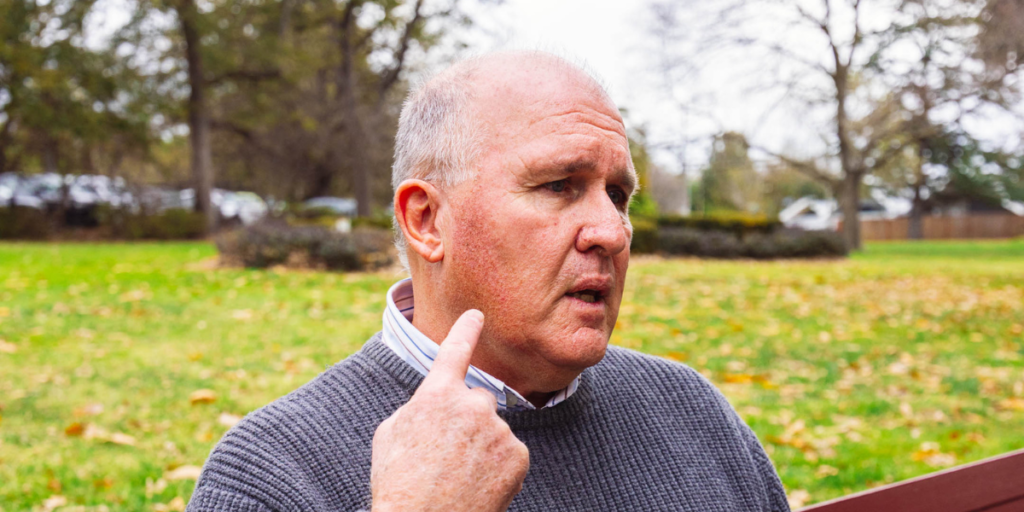
In a healthy ear, wax slowly moves out of the canal on its own, aided by jaw movement (talking and chewing). It’s slightly acidic, which helps inhibit bacterial and fungal growth. For most people, this self-cleaning process works well without any intervention.
Because wax has a protective purpose, the goal isn’t constant removal—it’s comfort, clear hearing, and healthy skin. If you’re considering earwax removal techniques, the safest mindset is “support the ear’s natural process” rather than “scrub the canal clean”.
Why earwax build-up happens
Some people are simply more prone to blockage. Wax can become impacted when the ear canal is narrow, extra curvy, or has more hair, making it harder for wax to migrate out. Skin conditions like eczema can also change the texture of wax and the ear canal lining, increasing the chance of build-up.
Everyday items can contribute too. Earbuds, hearing protection, and cotton buds commonly push wax inward. Over time, wax compresses and hardens, making effective ear wax removal harder at home and more likely to require ear wax extraction by a professional.
Earwax build-up vs hearing changes from ageing
A key reason people delay care is uncertainty: “Is this just wax, or is my hearing getting worse?” Wax tends to cause a more sudden, “blocked” feeling and can affect one ear more than the other. Age-related hearing loss is usually gradual and affects both ears, especially speech clarity in background noise.
Signs you may need professional help (rather than DIY)
It’s tempting to try quick fixes—especially when your ear suddenly feels blocked. But the ear canal and eardrum are delicate, and DIY attempts can lead to scratches, infections, or a pushed-in blockage that becomes harder to remove.
Professional care is particularly important if you have red-flag symptoms or risk factors that make home methods unsafe. Knowing when to stop DIY and book a proper assessment can prevent complications and get you relief faster.
Symptoms that often point to impacted wax
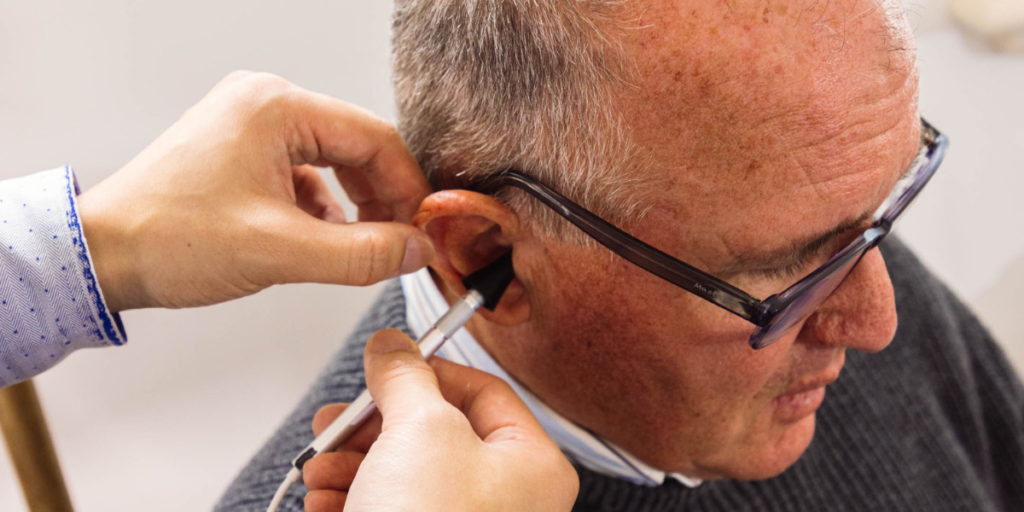
Wax is more likely to be the culprit if you notice symptoms like muffled hearing, a sensation of fullness, itchiness, ringing, or intermittent hearing that “comes and goes”. Sometimes you may hear your own voice loudly (autophony) or notice a change after swimming or showering, when wax absorbs water and expands.
Impacted wax can also cause mild dizziness or discomfort. If symptoms are persistent or worsening, it’s usually smarter to move from home remedies to earwax removal with a clinician who can confirm what’s going on.
Red flags: when to avoid at-home removal
Avoid home methods and seek professional support if you have any of the following, as these can signal infection, injury, or an issue beyond wax:
- Sudden hearing loss, severe dizziness, or significant pain
- Bleeding, pus-like discharge, fever, or a bad smell
- A history of perforated eardrum, ear surgery, or grommets
In these scenarios, attempting an earwax removal solution or flushing can worsen problems. The safest next step is an ear examination and, if needed, carefully performed ear wax extraction.
What to try at home (safe first steps)
If your symptoms are mild and there are no red flags, at-home care can be reasonable—especially when wax is soft and not fully impacted. The guiding principle is gentle softening, not digging. Your aim is to help wax loosen and migrate out naturally.
If you’re unsure, it’s okay to start conservatively and set a limit: if things aren’t improving within a few days, book professional earwax removal instead of escalating DIY methods.
Softening drops and gentle options
A quality earwax removal solution can soften wax so it can move out on its own. These products are generally designed to break down or lubricate wax, making it less sticky and easier for the ear to clear naturally. Follow the label directions carefully and stop if pain or worsening symptoms occur.
If the wax is mild, softening drops can be one of the most effective ear wax removal steps you can try at home—particularly when the goal is comfort rather than immediate “perfect hearing” within minutes.
What not to do
Cotton buds are a major cause of impaction because they push wax deeper, compacting it against the eardrum. Hairpins, keys, and other objects can scratch the canal skin, increasing infection risk. Ear candles are not recommended due to burn risk and lack of evidence.
It’s also wise to be cautious with syringing at home. While water irrigation is one of the recognised earwax removal techniques, it isn’t suitable for everyone—especially if you’ve had ear surgery, infections, or a possible perforation.
Managing hearing aids/earbuds during wax build-up
If you wear devices, wax can block sound ports and microphones, making hearing suddenly worse. This can feel like “my hearing loss has progressed overnight,” when it’s actually wax-related. Cleaning and maintenance matter.
Professional earwax removal—what actually happens in clinic
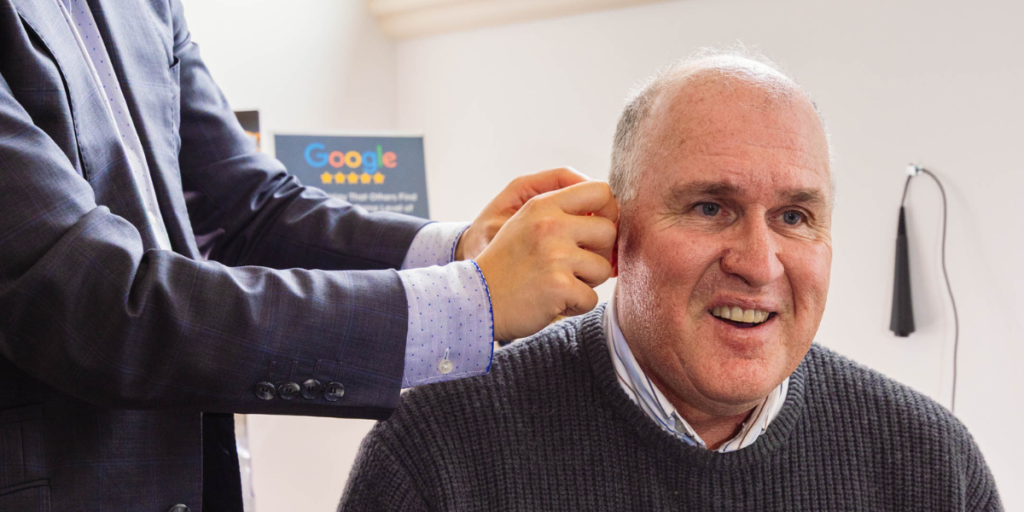
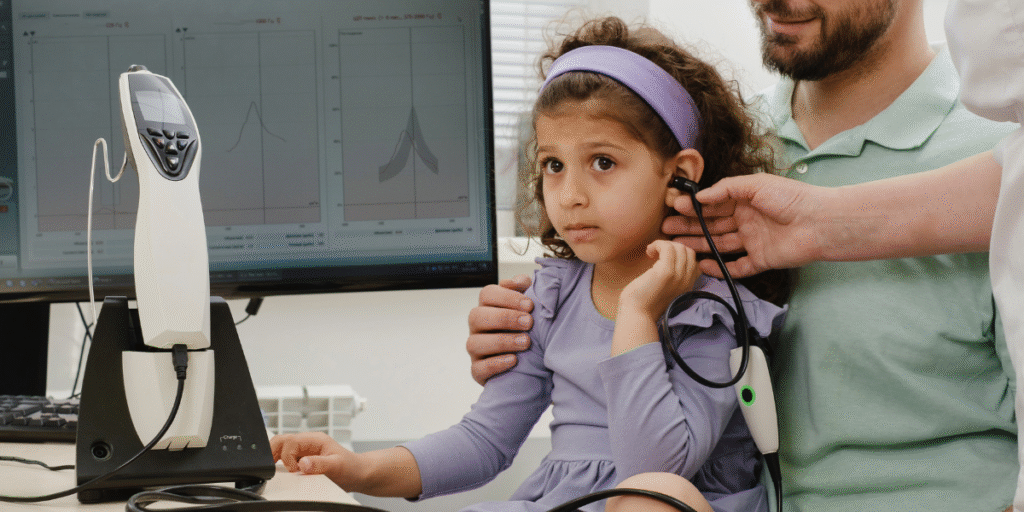
In-clinic wax removal is usually quick, controlled, and far safer than DIY scraping. The clinician can see what they’re doing, choose the right method for your ear and wax type, and stop immediately if the canal or eardrum looks irritated.
This is also where you get clarity: is it wax, infection, inflammation, or something else? That certainty alone is often worth booking professional earwax removal, particularly when symptoms are persistent.
Assessment first: looking in the ear and checking history
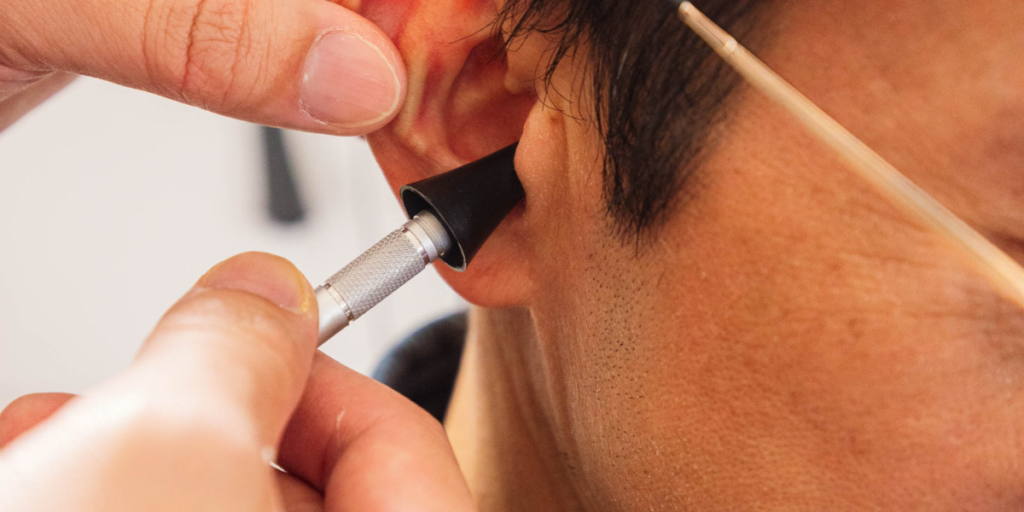
A proper appointment starts with questions: symptoms, duration, pain, discharge, history of perforations or surgery, and what you’ve tried. Then the clinician examines the ear with an otoscope (or microscope) to confirm whether wax is present and whether the eardrum looks healthy.
This step matters because the “right” technique depends on what’s seen. A safe earwax removal plan is always guided by examination, not guesswork.
Common clinical methods
Clinics typically use a small set of proven earwax removal techniques, chosen based on wax hardness, ear anatomy, and medical history. Two common approaches include microsuction and manual removal with specialised instruments.
When appropriate, clinicians may also use irrigation. Regardless of method, the advantage is precision and control: ear wax extraction is performed with direct visualisation, reducing the risks of pushing wax deeper or injuring the canal.
Comfort, safety, and expected outcomes
Most people find professional removal more comfortable than expected, though you may notice brief loud sounds, pressure changes, or tickling sensations. After removal, hearing can feel immediately clearer, and that “blocked” sensation often disappears quickly.
Prevention and long-term ear health
Good ear care is less about constant cleaning and more about consistent, safe habits. Wax build-up tends to recur in people who are prone to it, so prevention often means avoiding triggers and having a sensible plan for maintenance.
Long-term hearing health also includes addressing noise exposure and recognising early hearing changes. Wax management and hearing care work best together, not as separate issues.
Reducing wax build-up safely
If you’re prone to wax, avoid inserting anything into the canal. If you use earbuds daily, consider breaks and keep devices clean. For some people, occasional softening drops can help prevent hard impactions—but it’s best done with guidance, especially if you have sensitive ears.
If you’ve needed clinic help before, scheduled check-ups can reduce the chance of sudden blockages. Planned earwax removal is often easier than urgent removal after weeks of symptoms.
Protecting hearing as you age
Noise exposure accumulates over time, so ear protection at concerts, DIY projects, and noisy workplaces matters. Small changes—like using quality earplugs, keeping headphone volume moderate, and taking listening breaks—can support long-term hearing.
When to book a hearing test
A hearing test is worth considering if you notice persistent difficulty following conversations, frequent misunderstandings, or increasing listening fatigue. Family members often notice changes before the person does, so their feedback can be helpful.
Finding professional earwax removal in your area
Choosing a good provider is part of staying safe. A reputable clinic will assess before treating, explain options, and use appropriate equipment. If you’re searching for earwax removal melbourne, it helps to know what quality care looks like and what questions to ask.
Questions to ask before booking
A quick phone call can clarify whether the clinic is a good fit. Consider asking:
- Which earwax removal techniques do you use most often, and why?
- Do you assess the ear first to confirm wax and check the eardrum?
- What should I do (or avoid) before the appointment?
If you have a complex ear history, ask whether the clinician is comfortable performing ear wax extraction in those circumstances or whether an ENT referral is recommended.
How we help at NeuroHearing with earwax removal and hearing concerns

At NeuroHearing, we know that a “blocked ear” can be frustrating—and it’s not always obvious whether wax is the real cause. That’s why we start by checking your ears properly, talking through your symptoms, and choosing the safest next step based on what we see, not assumptions.
We support people who need straightforward earwax removal, and we also help when wax is only part of the picture. If you’ve been searching for earwax removal melbourne, our focus is on safe care, clear explanations, and a plan that fits your needs.
Our approach to safe, effective ear wax removal
We begin with an examination to confirm whether wax is present and whether the ear canal and eardrum look healthy. From there, we select earwax removal techniques that suit your wax type and comfort, aiming for effective ear wax removal without unnecessary irritation.
If wax is impacted, we can perform careful ear wax extraction under direct visualisation. We’ll also explain aftercare and how to reduce the chance of wax building up again, including whether a gentle earwax removal solution might be appropriate for prevention.
Conclusion
Earwax is normal, but impacted wax can be uncomfortable and can affect hearing quickly—sometimes enough to feel alarming. Gentle, safe at-home softening can help in mild cases, but pain, discharge, severe dizziness, sudden hearing loss, or a history of ear problems are clear reasons to seek professional earwax removal.